
A playroom exists to keep the rest of the house calm. It succeeds when toys have somewhere to go, when a child can get everything out and put everything back without help, and when adults are willing to spend time in there too.
We design playrooms with as much rigor as any other room: storage planned to the toy, surfaces chosen for abuse, and a palette that is cheerful without being loud enough to wear on anyone.
Active play, quiet reading, art, and building given their own defined areas.
Bin sizes, shelf heights, and cabinetry planned around what your children actually own.
Scrubbable walls, resilient flooring, and textiles that survive paint, glue, and traffic.
Benches, cubbies, reading nooks, and window seats detailed to the room.
Bright and even for activity, dimmable for winding down.
Anchored casework, cordless shades, soft edges, and safe outlet placement.
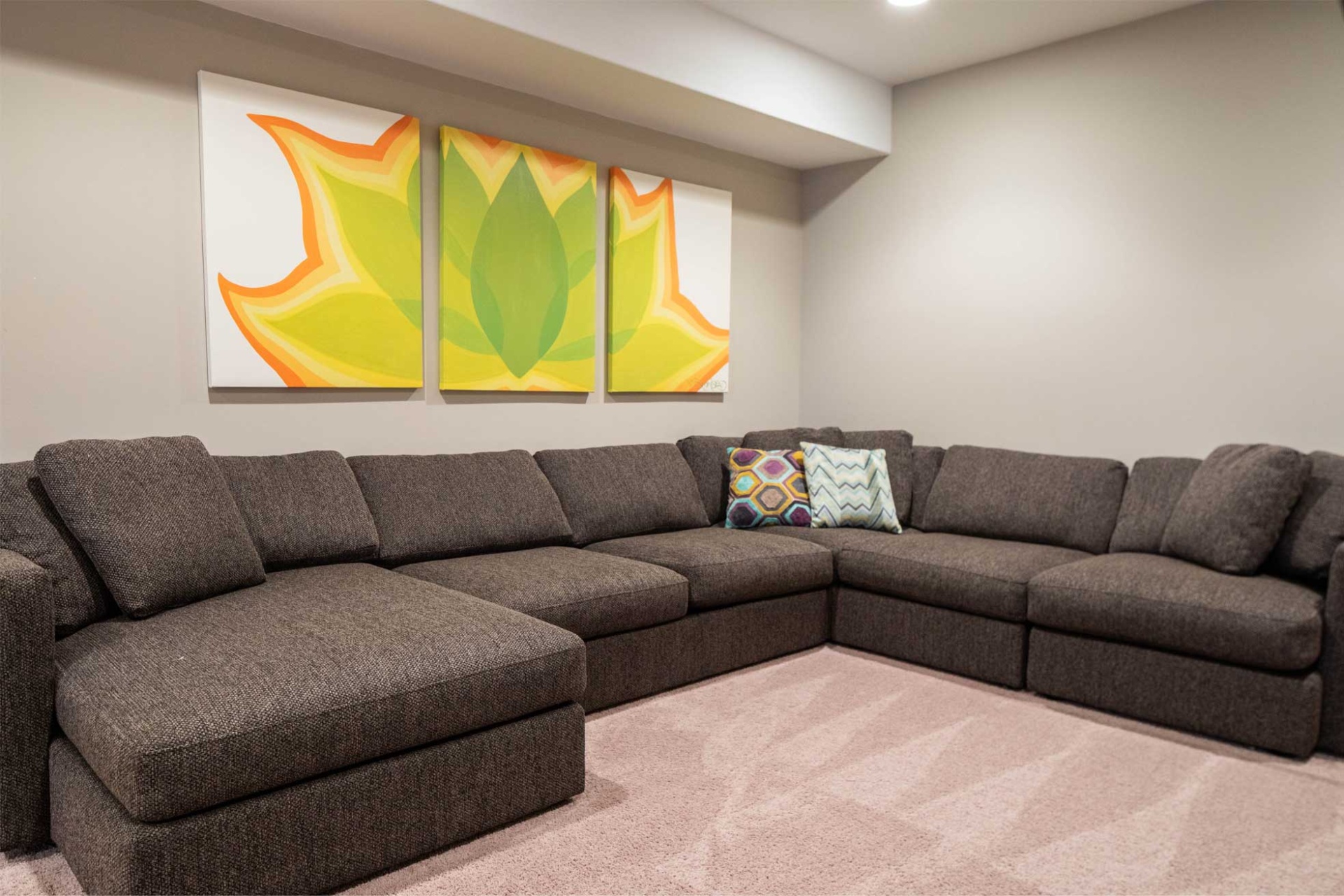
Every failed playroom fails the same way: not enough closed storage, and open storage sized wrong for the toys. Large bins swallow small pieces and become impossible to find anything in, while tiny cubbies cannot hold a dollhouse or a train set.
We inventory what needs storing before drawing anything, then size the cabinetry to it: low open bins for daily use, closed doors to hide the rest, and a surface at child height to work on.
A playroom has a shelf life. The ones worth building are planned so that the millwork survives the transition: shelving that becomes a homework station, a window seat that becomes a reading corner, cabinetry that becomes media storage.
That way the room evolves into a teen hangout without a second renovation.
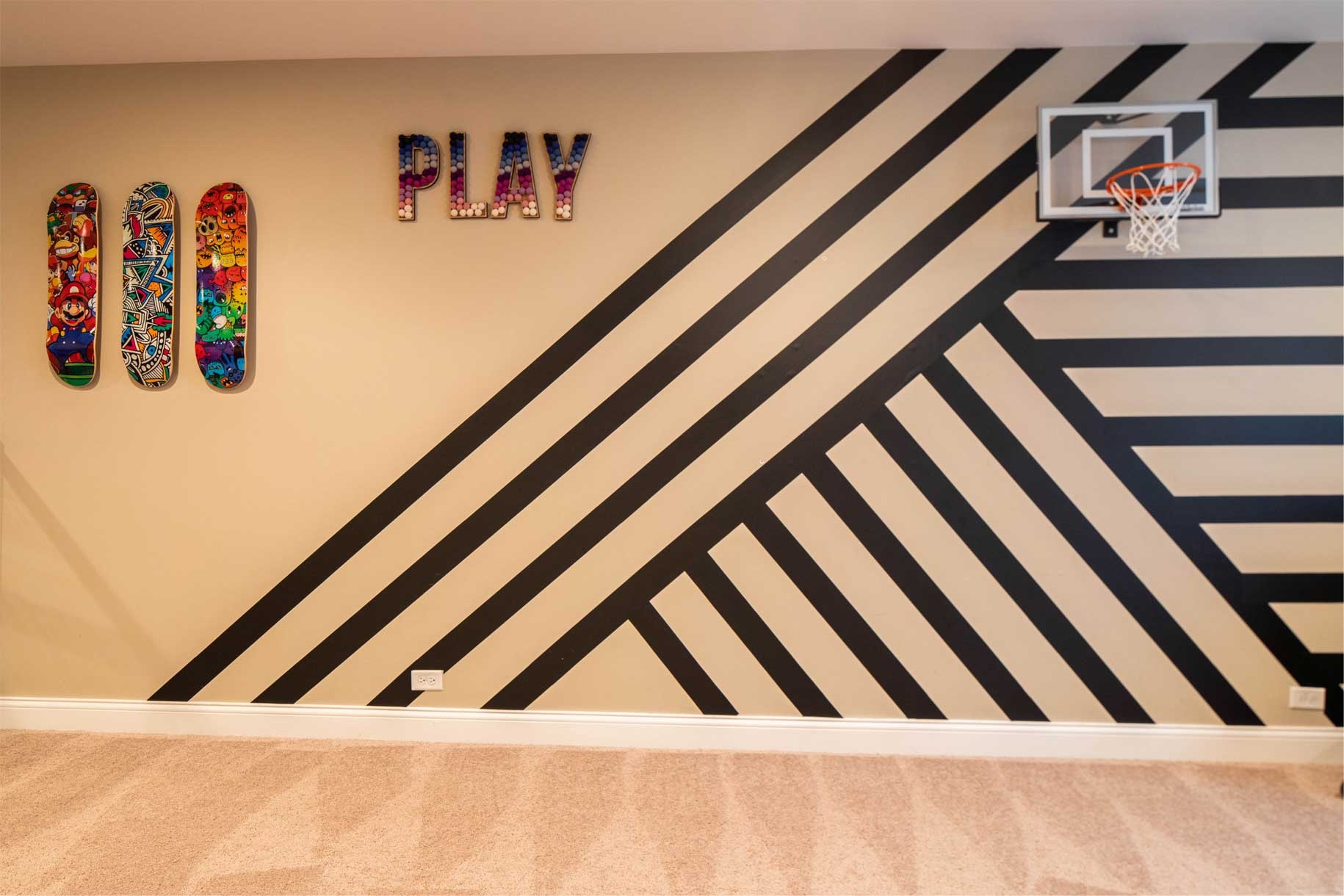
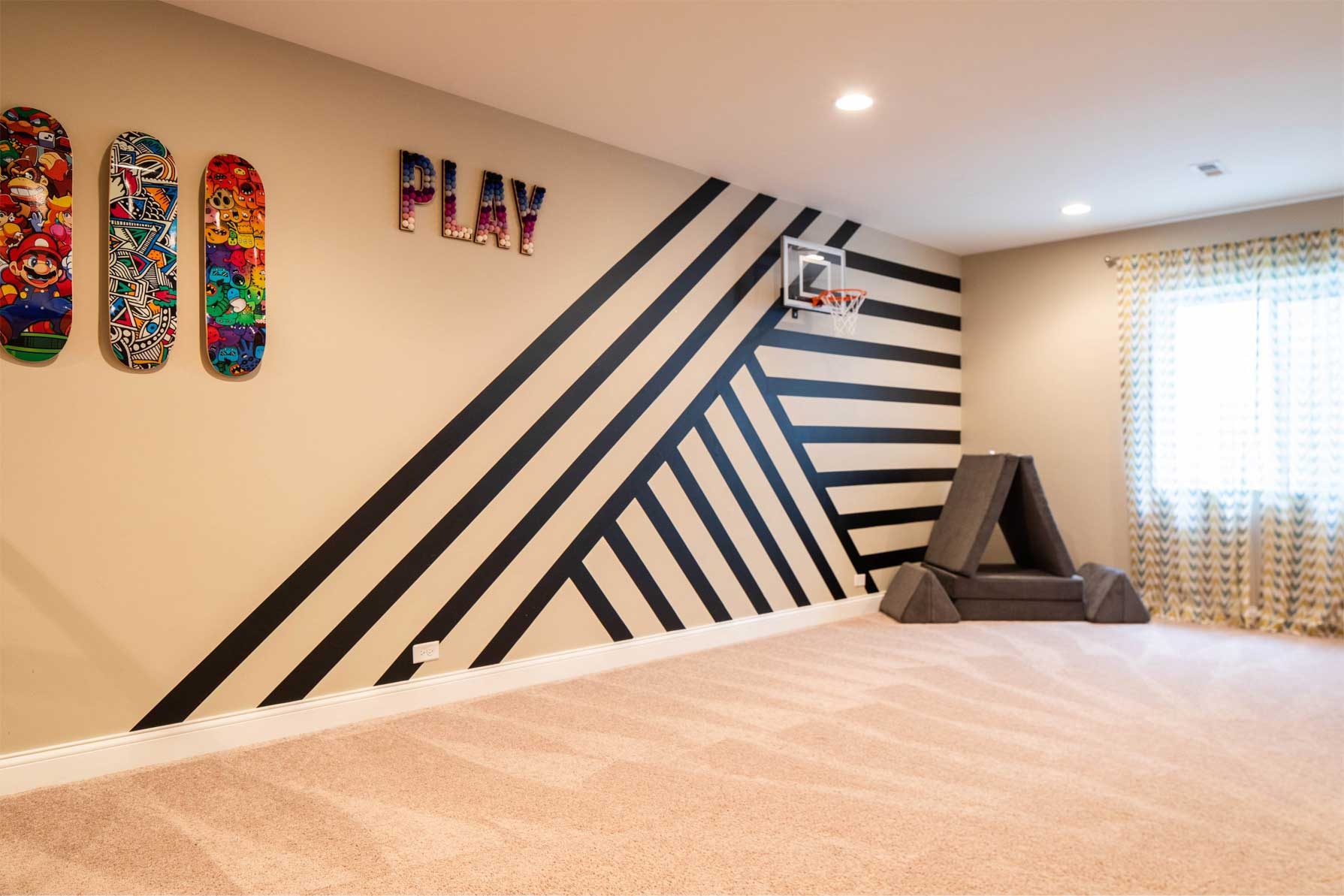
From Patterned Playroom. See more in the full portfolio.
More than most people plan for, and more of it closed than expected. We inventory the toys first, then size cabinetry to them, with low open bins for what is used daily and closed doors for everything else, so the room can be reset quickly.
Resilient flooring with a washable rug over it handles most households well. It takes wheeled toys and spills, is easy to clean, and the rug provides a soft surface for floor play that can be replaced when it wears.
Yes, and the practical decisions are what make it look good. Adequate closed storage is the single biggest factor in whether a playroom photographs well, because it is what lets the room be tidy in the first place.
Either works. A dedicated room contains mess and noise better, while a zone within the family room keeps young children in sight. If it is part of the family room, closed storage matters even more, since the space has to convert to adult use in the evening.
We design the millwork to outlast the toys: shelving that becomes a homework station, window seats that become reading corners, cabinetry that later holds media or sports equipment. The room changes function without needing to be rebuilt.
Tell us about your home and how you want to live in it. We will walk you through our design process and what working together looks like.