
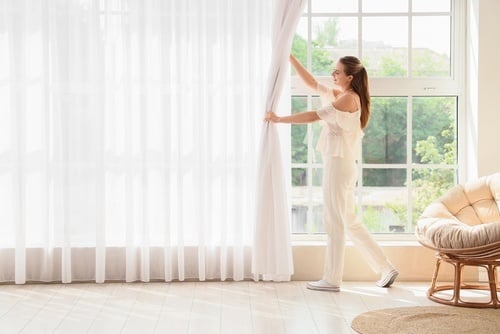
Choosing the right curtain length can completely transform a room, yet it’s one of the most overlooked details in residential interior design. Whether you’re refreshing your living room, creating a serene bedroom retreat, or pulling together a cohesive whole-home look, the length of your window treatments sets the tone for the entire space. Too short and your room feels unfinished; too long without intention and things look sloppy. This curtain lengths guide will walk you through every option so you can confidently select the perfect length for each room in your home.
Ready to take the guesswork out of your window treatments? Contact us today or call 847-750-5354 to get started!
Why Curtain Length Matters More Than You Think
The length of your curtains is one of the first things that signals whether a room feels "finished" or still a work in progress. Curtains that are too short can make your ceilings look lower and your windows feel awkward, while the right length draws the eye upward and creates a sense of proportion. When curtains are hung at ceiling height and extend to the floor, spaces appear larger and more polished.
Beyond aesthetics, curtain length affects how a room functions day to day. High-traffic areas like family rooms need a practical length that won’t collect dirt or become a tripping hazard, while a formal sitting room can handle a more dramatic, floor-sweeping look. Thinking about curtain length by room helps you balance beauty and livability.
The Most Popular Curtain Lengths Explained
Just Above the Floor (Hovering)
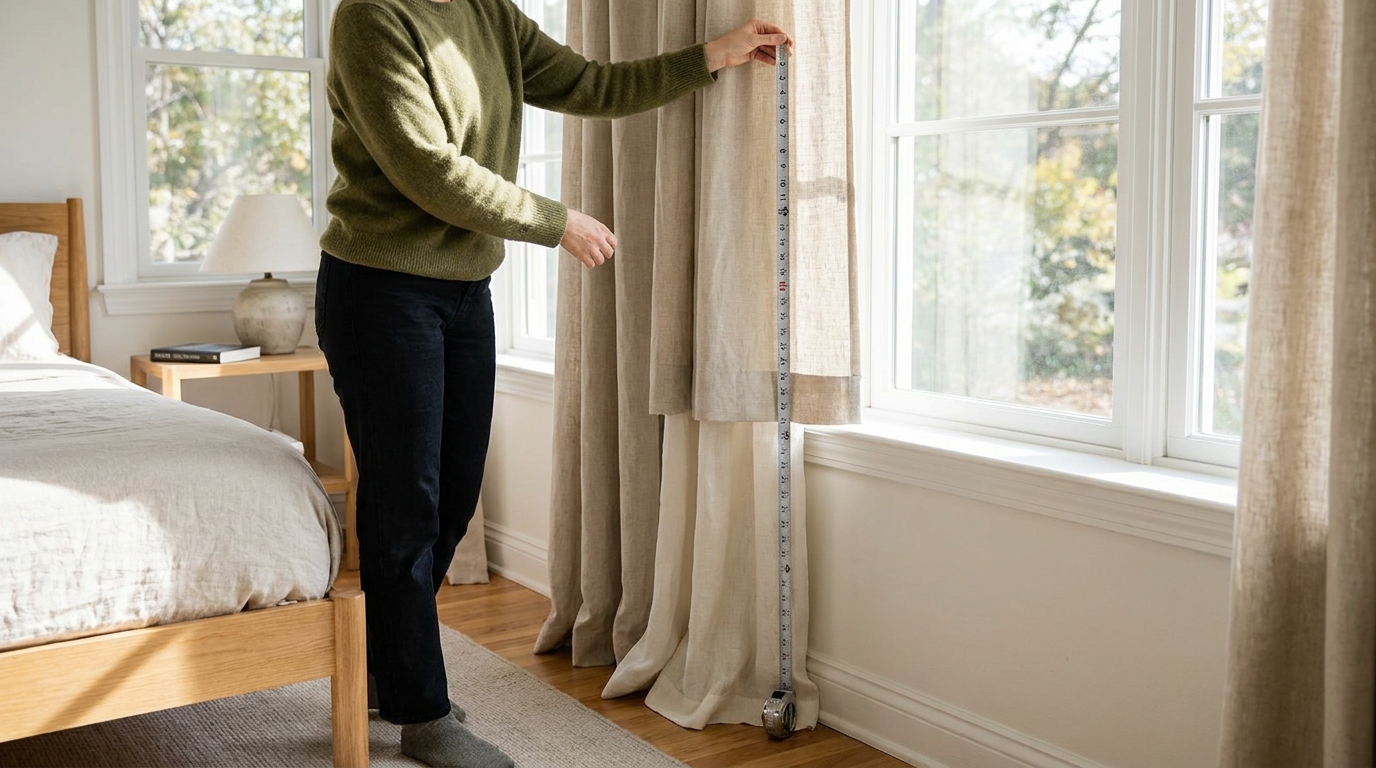
This length, typically a finger-width above the floor, is one of the most versatile and practical choices for everyday living spaces. It keeps fabric from dragging and collecting dust, making it ideal for family rooms or any high-traffic area. It’s also perfect next to patio doors where dirt gets tracked in regularly. If you have kids or pets, this is your go-to.
💡 Pro Tip: When measuring for hovering-length curtains, measure in at least three spots along your window because floors and ceilings are rarely perfectly level. Use the shortest measurement to avoid an uneven hemline.
Brushing the Floor
The "just kissing the floor" look is the most common contemporary curtain length, with panels lightly grazing or ‘kissing’ the floor. This creates a clean, tailored line that works beautifully in both modern and traditional homes. However, this length requires careful installation; any floor or ceiling inconsistencies will be clearly revealed. If a floating style is preferred, curtains typically hover about a half-inch above the floor to achieve a crisp look.
The Slight Break
If you love the look of custom drapery, a slight break is your best friend. Approximately 1 inch of extra fabric creates just enough of a stylish break at the floor, similar to the break in beautifully tailored trousers. It’s a small detail that communicates quality and intention.
💡 Pro Tip: A slight break works especially well with heavier fabrics like linen blends or velvet, where the weight creates a natural, graceful fold at the hem.
Pooling or Puddling
For those who love drama and romance, allowing extra fabric to pool on the floor creates a truly opulent effect. For a subtle romantic look, let about one to two inches of material hit the floor. A deeper puddle, with several extra inches, reinforces a sense of history in traditional homes, but requires more maintenance and can be a tripping hazard.
Your Curtain Lengths Guide by Room
Living Room Curtains
The living room is where you make your biggest design statement, so your curtains should rise to the occasion. Floor-length curtains or those with a slight break work best here, creating an elegant and inviting atmosphere. If your living room leans formal, consider silk curtains with elegant hardware and extra length for a refined aesthetic. For a more relaxed family-friendly space, a hovering length keeps things polished without fuss.
Bedroom Curtains
In the bedroom, curtains play a dual role, they need to look beautiful and help create a restful environment. Floor-length panels that just brush the floor give bedrooms a serene, pulled-together feel. Wall-to-wall curtain installation is particularly lovely here because it helps erase oddly placed windows and creates a clean plane, making for a beautiful backdrop behind the bed.
💡 Pro Tip: In a primary suite, consider layering blackout lining behind your decorative curtain panels. You get the style you want with the light-blocking function you need for quality sleep, and your Naperville interior designer can source fabrics that do both beautifully.
Kitchen and Dining Areas
Kitchens and dining rooms each call for a different curtain approach, depending on formality and function. In the kitchen, shorter café curtains or Roman shades are often more practical near sinks and stoves. In a formal dining room, floor-length or gently puddled drapes create the kind of atmosphere that makes dinner parties feel special.
Home Office and Bonus Rooms
Your home office deserves window treatments that look sharp on video calls and manage natural light throughout the day. A clean, hovering or floor-brushing length keeps the look professional without being stuffy. For playrooms and basements, prioritize durability and practicality, hovering lengths in washable fabrics are the smart choice.
Getting the Width and Fullness Right
Length is only half the equation, the width and fullness of your curtains dramatically affect the overall look. Standard curtain fullness should be two times the rod width (2x), which gives panels that lovely, gathered appearance when closed. Two-and-a-half to three times the rod width is considered more luxurious, with 3x especially recommended for thinner fabrics like sheers to achieve a full, airy look. Skimping on width is one of the most common mistakes and instantly makes even expensive fabric look flat.
Here’s a quick reference for fabric width and stacking space:
- Standard drapery: Fabric should be 2 times the window width (2x); 2.5, 3x is more luxurious.
- Sheers: Fabric should be 3 times the window width for a lush, full effect.
- Light unlined curtains: Typically require approximately 10, 20% of the window width for stacking space beside the window (about 10% per side).
- Heavier lined drapes: Typically require 25, 35% of the window width for stacking space (about 15% or more per side).
💡 Pro Tip: "Stacking space" refers to how much room your curtain panels take up when pushed open. Heavier fabrics stack wider, so extend your rod further beyond the window frame to avoid blocking natural light.
Mounting Height: The Secret to Making Any Room Feel Bigger
Where you mount your curtain rod matters just as much as the curtain length itself. The higher you go, the taller your room will feel. The most visually appealing approach is to mount at the ceiling line and let the fabric stretch all the way to the floor. This trick is especially powerful in rooms with standard eight- or nine-foot ceilings.
When shopping for panels, keep in mind that standard ready-made curtain and drapery panels range from 63 to 120 inches in length. If your ceiling-to-floor measurement falls outside that range or you want a specific break or puddle, custom drapery ensures a perfect fit. For a deeper dive into measurements and styling, explore our curtain lengths guide for additional tips.
💡 Pro Tip: Avoid mounting your rod just above the window trim, this is the number-one reason curtains look "off" in an otherwise beautiful room. Even raising the rod four to six inches above the frame makes a noticeable difference.
Choosing the Right Length for Your Lifestyle
The best curtain length for your home isn’t just about aesthetics, it’s about how you actually live. A gorgeous six-inch puddle might photograph beautifully, but if you have a golden retriever and two kids under ten, you’ll be rearranging those drapes constantly. On the other hand, if you’re designing a formal sitting room or a primary suite, a romantic pooling effect or tailored break adds elevated detail that makes a space feel truly special.
According to the National Kitchen & Bath Association, the NKBA’s published guidelines focus on functional, safety, and code-compliant kitchen and bath design; their materials do not specifically address curtain length and fullness, other than noting safety concerns (for example, avoiding flammable window treatments near cooking surfaces).
Frequently Asked Questions
1. What is the most popular curtain length right now?
The most common contemporary curtain length is floor-length, with curtains lightly grazing or ‘kissing’ the floor. If a floating style is preferred, curtains typically hover about a half-inch above the floor, creating a clean, tailored line.
2. Should curtains touch the floor in a living room?
Yes, in most cases floor length curtains are the preferred choice for living rooms. They create a more finished, intentional look than shorter panels. Whether you hover just above the floor or allow a slight break depends on your personal style and how formal the space is.
3. How do I choose the right curtain length for bedrooms?
Bedroom curtains should typically reach the floor for a calming, cohesive feel. A slight break adds luxury, while a hovering length keeps things practical. Wall-to-wall installation is a designer favorite for bedrooms because it creates a seamless backdrop and hides awkwardly placed windows.
4. Is it okay to let curtains puddle on the floor?
Puddling creates a beautifully dramatic look that’s perfect for formal or traditional spaces. One to two inches of extra fabric is all you need for a subtle effect. Just know that deeper puddles require regular fluffing and can be a tripping hazard, so they’re best in low-traffic rooms.
5. How wide should my curtains be?
Your curtain fabric should be two times the width of your window (2x). For a more luxurious or formal look, consider 2.5 to 3 times the window width; for sheers, 3x is often recommended for a full, airy effect. Proper fullness is what separates custom-looking window treatments from panels that fall flat.
The American Society of Interior Designers focuses on advancing the interior design profession through education, advocacy, and community building; it does not issue specific guidance solely about window-treatment proportion or fabric selection.
Pulling It All Together
Getting curtain lengths right is one of those details that quietly elevates your entire home. From the practical hovering length in a busy family room to the romantic puddle in a formal dining space, every choice sends a message about your style and how thoughtfully your home has been designed. The key takeaway from this curtain lengths guide is that there’s no single "correct" length, the best choice depends on the room’s purpose, your home’s architecture, and how you live each day.
If you’re ready to get your window treatments, and every other design detail, exactly right, the team at Dara Agruss Design would love to help. Contact us today or call 847-750-5354 to get started!