
Last updated August 27, 2026
Key Takeaways
- The bigger decision is not which metal but whether you want a finish that ages or one that stays exactly as delivered.
- Unlacquered brass darkens and marks with use. That is the point of it, and it is the wrong choice for anyone who wants it uniform.
- Mixing metals is fine. Mixing them without a system is what looks accidental.
- Assign metals by function rather than by room: all the plumbing one finish, all the door hardware another.
- Wood tones follow the same undertone rule as paint. Keep them all warm or all cool and different species will still agree.
- Hardware is the most changeable expensive-looking detail in a house, which makes it the right place to be adventurous.
The most consequential decision about metal finishes is not brass against nickel. It is whether you want a living finish that changes with use, or a stable one that looks the same in ten years as it did on the day it was fitted. Those are genuinely different products and they suit different households.
After that, mixing metals is fine and usually better than not, provided there is a system behind it. Wood follows the same undertone logic as paint: keep everything on one side of warm or cool and different species will sit together comfortably.
Living finishes and stable ones
The distinction that decides whether you will be pleased or irritated in two years.
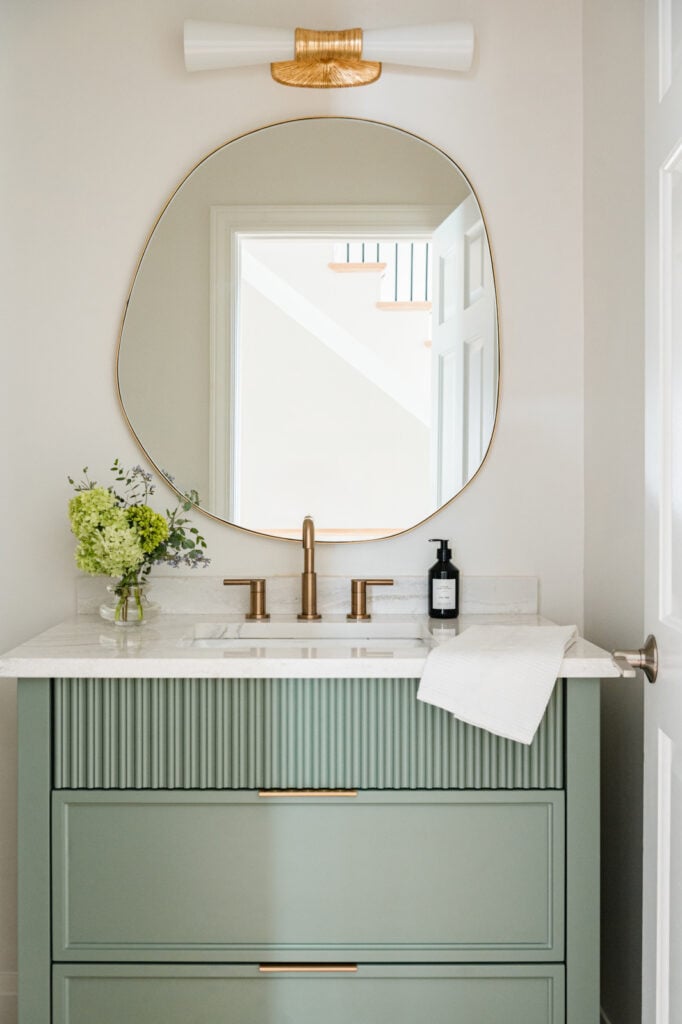
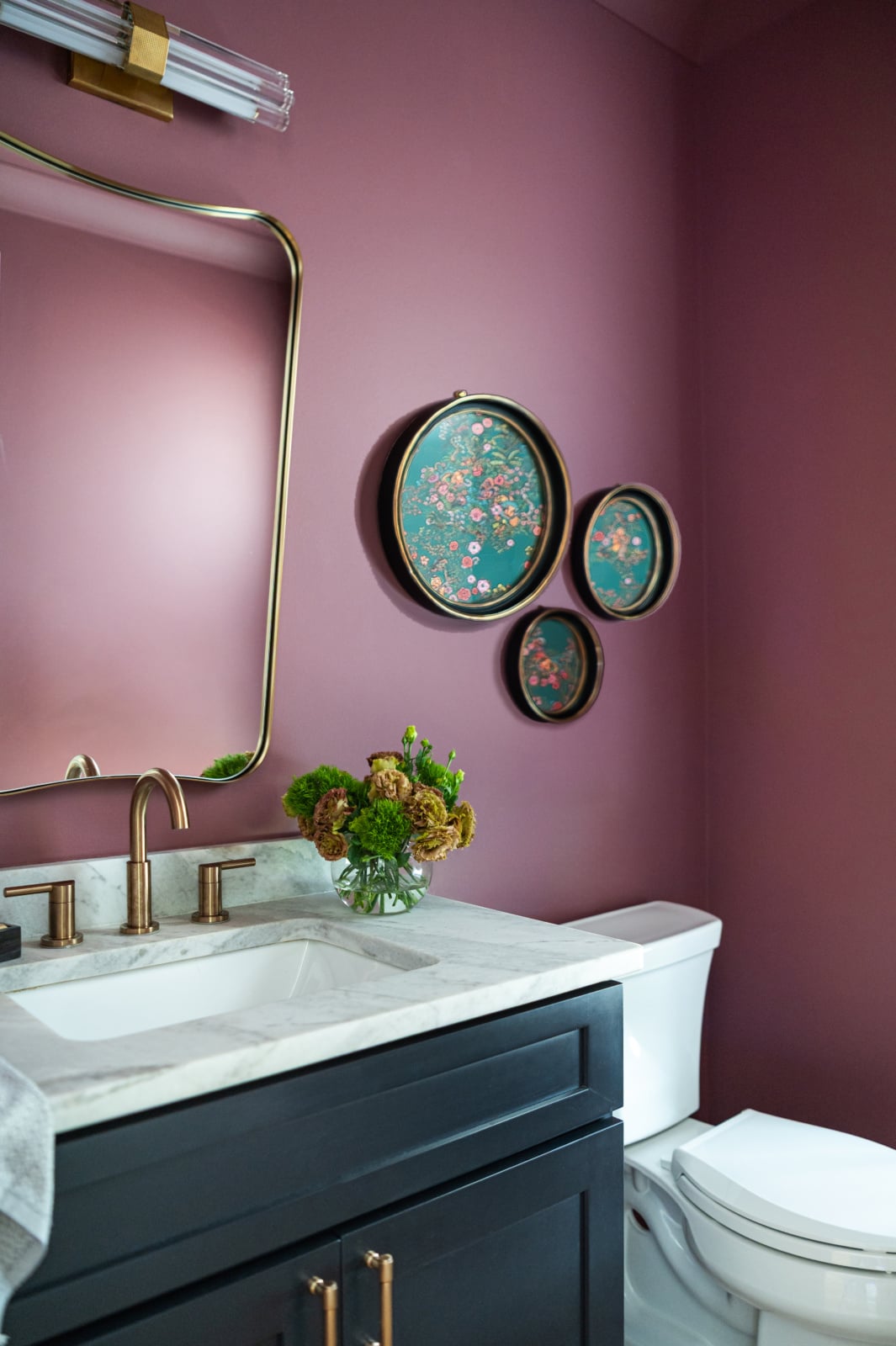
A living finish is unprotected metal. Unlacquered brass, oil-rubbed bronze, raw steel. It reacts to air, water and hands, so it darkens, develops highlights where it is touched most, and acquires a patina that is genuinely unique to the house. On a tap, the area where fingers land stays bright while the rest deepens.
A stable finish is sealed or plated: lacquered brass, chrome, brushed nickel, and modern coatings applied under vacuum, which are extremely hard-wearing. These are designed to look identical for years.
Neither is better. What matters is knowing which you bought. People who wanted uniform and got living are unhappy within months. People who wanted character and got lacquered are unhappy in about five years, when the lacquer begins to wear through unevenly and the piece cannot age gracefully because part of it is still sealed.
Ask the question explicitly, because product descriptions frequently use the same words for both.
Mixing metals, with a system
The old rule was to pick one metal and use it everywhere. It produces coherent rooms and it is not necessary.
What makes a mix read as deliberate is a system, and the most legible one is by function. All the plumbing in one finish. All the door hardware in another. All the light fittings in a third, or matching one of the first two. Somebody walking through the house will not consciously notice the rule and will register the consistency.
What reads as accidental is mixing within a category: two taps in different finishes in the same bathroom, or door handles that change from room to room.
The other workable system is dominance. One metal carries roughly two thirds of the visible hardware and a second appears as a deliberate accent in specific places. That works well when the accent is doing something, marking the feature piece or the one element you want noticed.
The finishes, and how they behave
What each one actually does over time, which matters more than what it looks like in a photograph.
| Finish | Behaviour | Suits | Watch for |
|---|---|---|---|
| Unlacquered brass Living. Darkens and develops bright spots where handled. |
Changes constantly, and no two installations end up alike | Households that want character and will not fight the patina | It will not stay bright. That is not a fault |
| Lacquered brass Stable, until the lacquer wears. |
Uniform for years, then patchy where it is touched most | Low-traffic locations and people who want consistency | Wear is uneven and cannot be polished back |
| Oil-rubbed bronze Living. Rubs back to brighter metal on high points. |
Deepens overall, brightens where hands land | Traditional interiors, older houses | Quality varies enormously between makers |
| Brushed or satin nickel Stable and forgiving. |
Hides fingerprints and water marks well | Family bathrooms, kitchens, anywhere practical | Can read as slightly cool beside warm timber |
| Polished chrome Stable and hard. |
Very durable, shows every water spot | Modern schemes, wet areas | Cool undertone, which fights a warm palette |
| Matte black Usually a coating. |
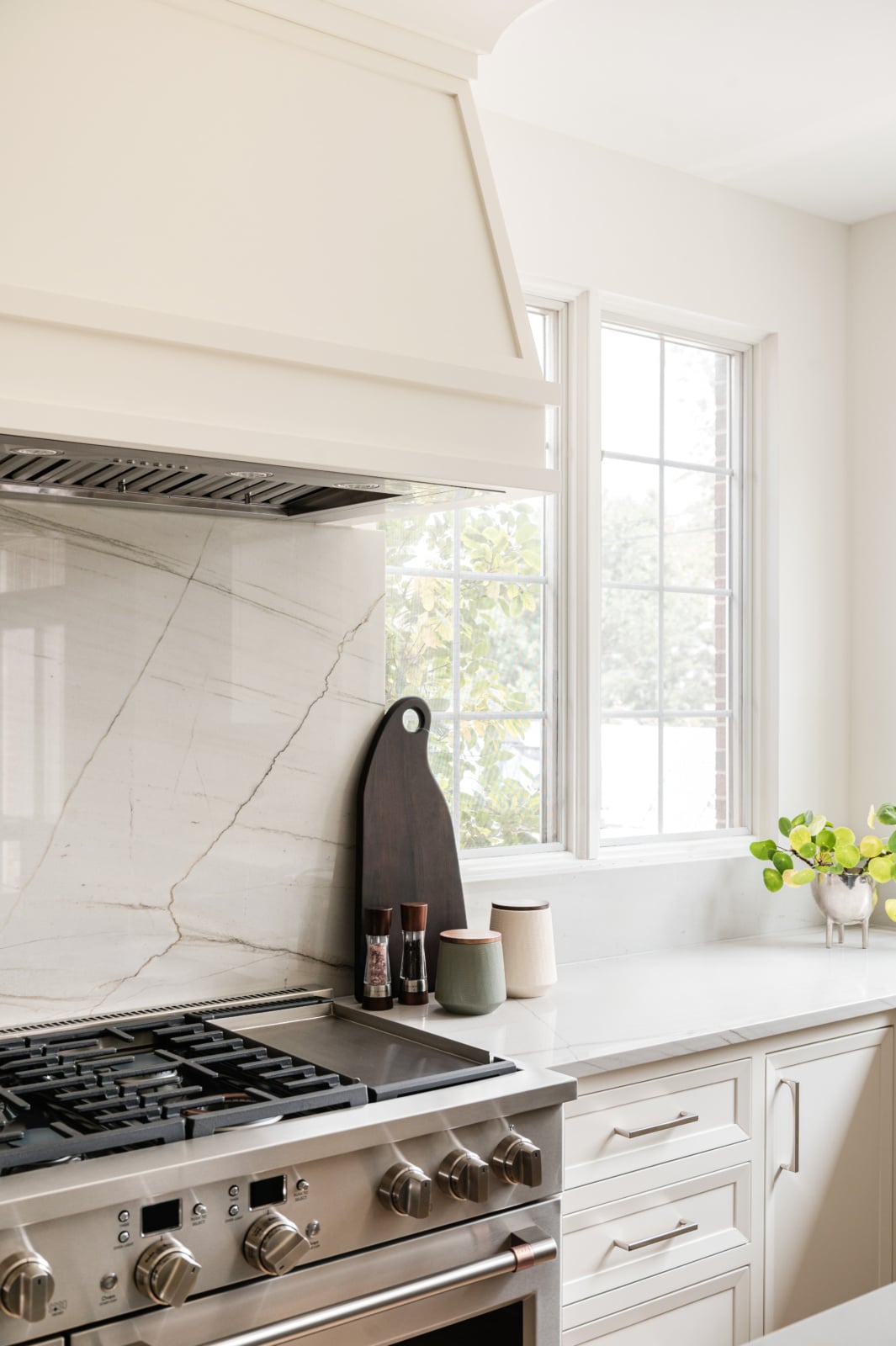
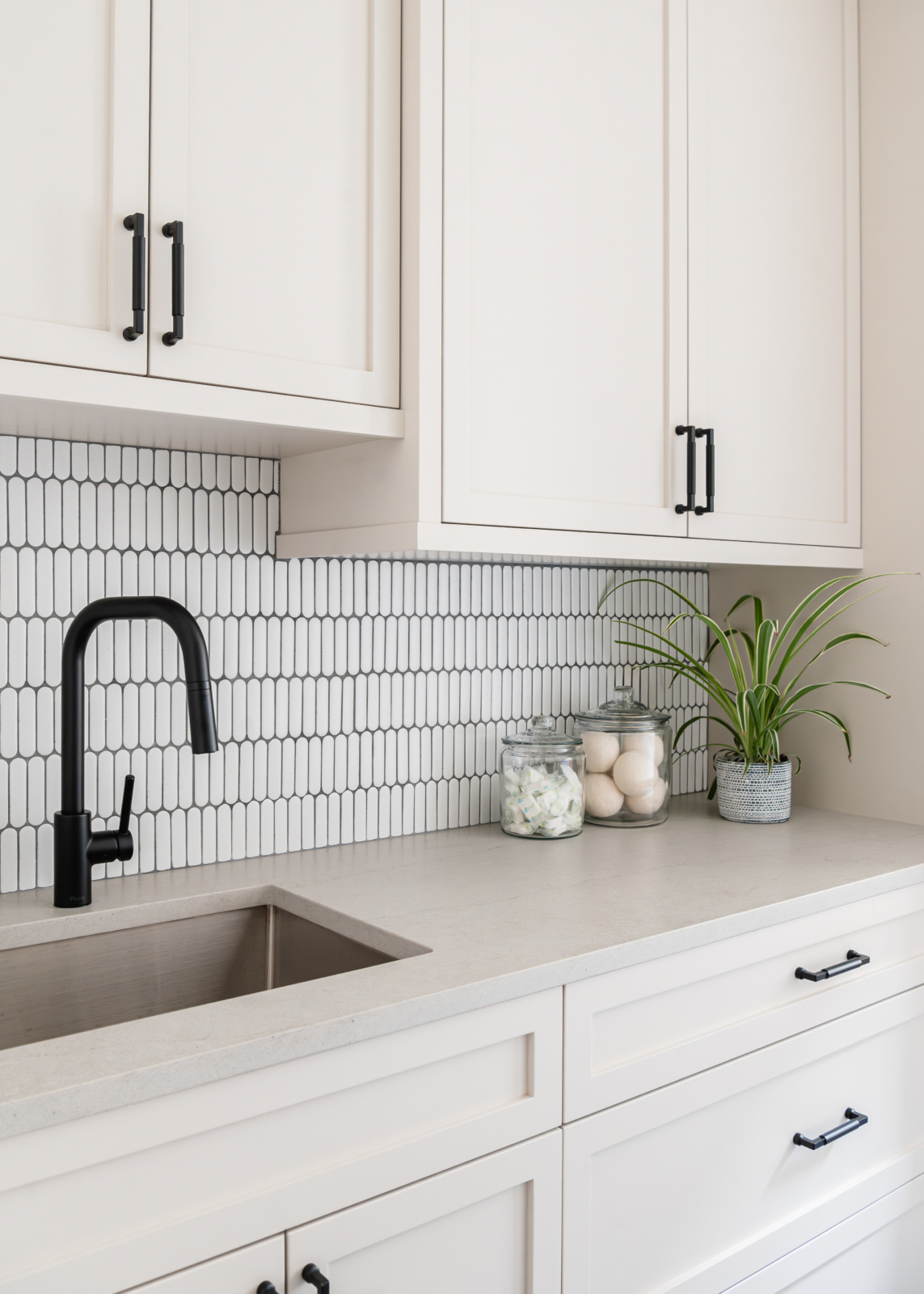
Consistent, and shows dust and limescale | Contemporary rooms, good contrast against timber | Coating quality decides whether it chips |
| Vacuum-applied coatings Extremely stable. |
Effectively unchanging, in a range of colours | High-traffic hardware where longevity matters most | It will never develop character |
Ask whether a finish is living or sealed before choosing the colour. It is the question that determines how you will feel about it later.
Wood tones follow undertone
The same principle that governs paint, and it is why some rooms full of timber feel coherent while others feel like a lumber yard.
Every timber leans warm or cool. Walnut and cherry are warm, with red and orange in them. Ash and some white oaks are cool, closer to grey. Rift-sawn white oak sits deliberately between. The species matters less than which side of that line the finish lands on.
Keep every wood in a room on the same side and different species will agree. A walnut table beside an oak floor works when both are warm. The same table on a grey-washed floor reads as a mismatch, not because the woods are different but because they disagree about temperature.
Contrast in value, light against dark, is welcome and adds depth. Contrast in undertone is the thing that looks accidental.
Grain does as much work as colour. A heavily figured timber and a quiet straight-grained one are visibly different materials even in the same tone, which is a useful way to get variation without breaking the undertone rule.
Metal against wood
The pairing that appears in almost every room, and where the undertone rule pays off twice.
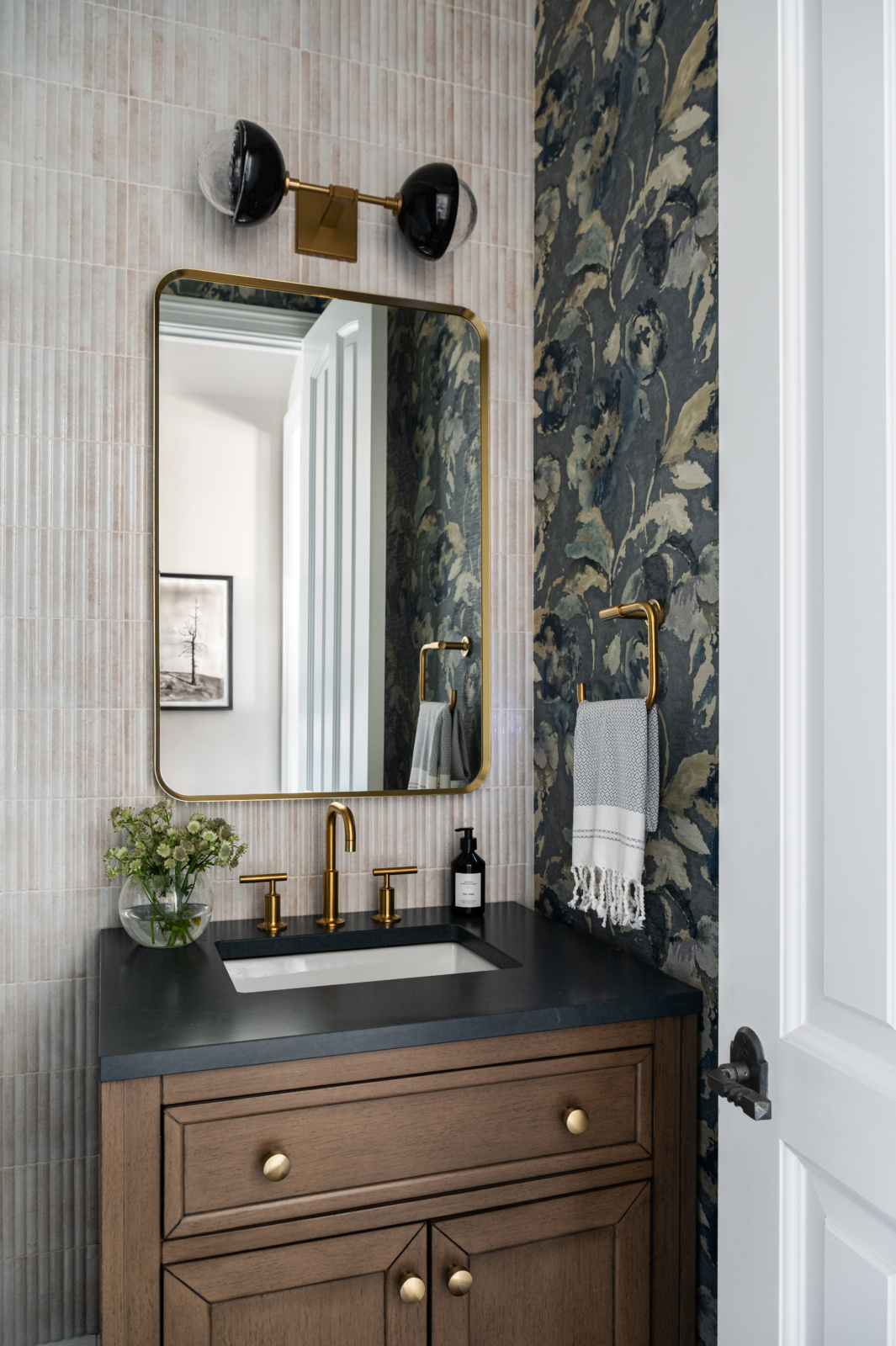
Warm metals sit naturally with warm timbers: brass or bronze against walnut, cherry or warm oak. That combination is why it reads as rich rather than merely expensive.
Cool metals suit cool timbers: nickel or chrome against ash, grey-washed oak or painted joinery.
Crossing them is possible and needs intent. Brass against a cool grey-toned timber can look sharp and deliberate if the rest of the room supports it, and looks like an error if nothing else in the scheme acknowledges the contrast. If in doubt, keep them on the same side.
Black is the useful neutral here, since matte black works against almost any timber and is frequently the right answer when a room has both warm and cool woods that cannot be changed.
Where to spend and where not to
Hardware is unusual in that the good version is genuinely better in use, not only to look at.
Door handles, taps and cabinet hardware are touched every day, and the difference between a well-made piece and a poor one is felt rather than seen: the weight, the action of a lever, whether a tap moves smoothly. Those are the places where quality registers constantly.
Solid metal rather than plated over a light base, and mechanisms rated for the traffic they will get. In a kitchen or a main bathroom this is where buying well earns its keep quickly, because failed hardware is replaced rather than repaired.
Conversely, decorative hardware in a rarely used room can be modest without anyone noticing, which is a sensible place to be restrained if something has to give.
Hardware is the changeable detail
A practical point that should affect how boldly you choose.
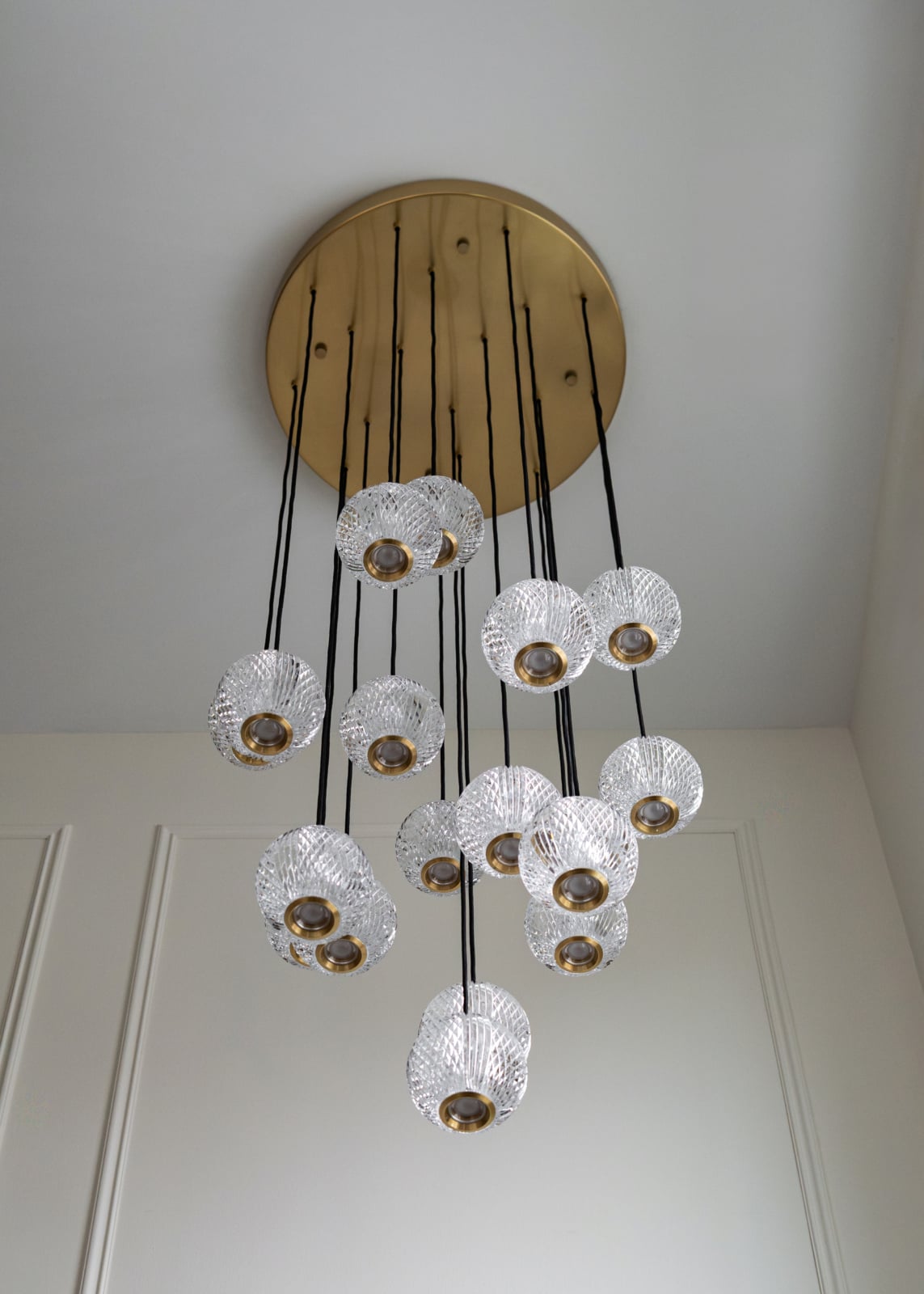
Cabinet hardware, door handles and light fittings are among the few genuinely expensive-looking elements in a house that can be changed in an afternoon without touching anything structural. That makes them the right place to be adventurous, in the same way pillows are for textiles.
It also means a kitchen that feels dated can often be substantially improved by changing the hardware alone, which is worth knowing before deciding to replace the doors.
Which is the argument for choosing what you actually like rather than what seems safe. Nothing is genuinely timeless, and every finish shows when it was chosen; the reversible ones are exactly where that matters least.
Chicago houses specifically
Two local considerations.
Water here is hard, which is harder on finishes than people expect. Limescale marks show most on polished chrome and matte black, and least on brushed nickel and living finishes, where the marking simply becomes part of the patina. In a family bathroom that difference is felt daily.
The other is the housing stock. Greystones, two-flats and older suburban houses frequently have original hardware worth keeping: solid brass door furniture, proper mortice locks, sometimes original bronze. Restoring those is almost always a better result than replacing them, since the quality of the original is usually higher than anything comparable being made now, and they carry the age of the building. Where new hardware has to sit alongside them, matching the finish and the era of the original is what keeps the house reading as one thing.
Working through it with us
Finishes are decided across dozens of small selections that have to agree with each other, which is exactly the kind of thing that is easy to get individually right and collectively wrong. You can see how we work on our design process page, look through recent projects, or get in touch about your own home.
Related reading: types of wood in interior design, building a decorating palette, choosing a kitchen floor material, why get custom furniture and how to read interior design trends. We work across Chicago, Hinsdale and Elmhurst.
Frequently asked questions
What is the difference between a living finish and a stable one?
A living finish is unprotected metal such as unlacquered brass or oil-rubbed bronze, which darkens and brightens where it is handled, developing a patina unique to the house. A stable finish is sealed or plated and looks the same for years. Neither is better, but knowing which you bought matters.
Can you mix metal finishes in one house?
Yes, and it usually looks better than using one everywhere, provided there is a system. The most legible is by function: all the plumbing one finish, all the door hardware another. What reads as accidental is mixing within a category, such as two taps in different finishes in one bathroom.
Will unlacquered brass stay bright?
No, and that is the point of it. It darkens overall and stays brighter where hands land most, which produces a pattern specific to how your household uses the house. Anyone who wants their hardware to look uniform should choose a sealed or plated finish instead.
What happens to lacquered brass over time?
The lacquer wears through unevenly in the places touched most, so the piece becomes patchy rather than aging gracefully. It cannot be polished back, because part of the surface is still sealed. It suits lower-traffic locations better than a busy kitchen or main bathroom.
How do you mix wood tones?
By undertone rather than species. Every timber leans warm or cool, and keeping every wood in a room on the same side means walnut, oak and cherry will sit together comfortably. Contrast in value is welcome; contrast in undertone is what looks accidental.
Which metals go with which woods?
Warm metals with warm timbers: brass or bronze against walnut, cherry or warm oak. Cool metals with cool timbers: nickel or chrome against ash or grey-washed oak. Matte black is the useful neutral and works against almost anything, which helps when a room has both.
Where is it worth spending more on hardware?
On anything touched daily: door handles, taps, cabinet hardware. The difference between a well-made piece and a poor one is felt rather than seen, in the weight and the action. Decorative hardware in a rarely used room can be modest without anyone noticing.
Can changing hardware update a kitchen?
Often substantially. Cabinet hardware, handles and light fittings are among the few expensive-looking elements that can be changed in an afternoon without touching anything structural, which is worth trying before deciding to replace doors.