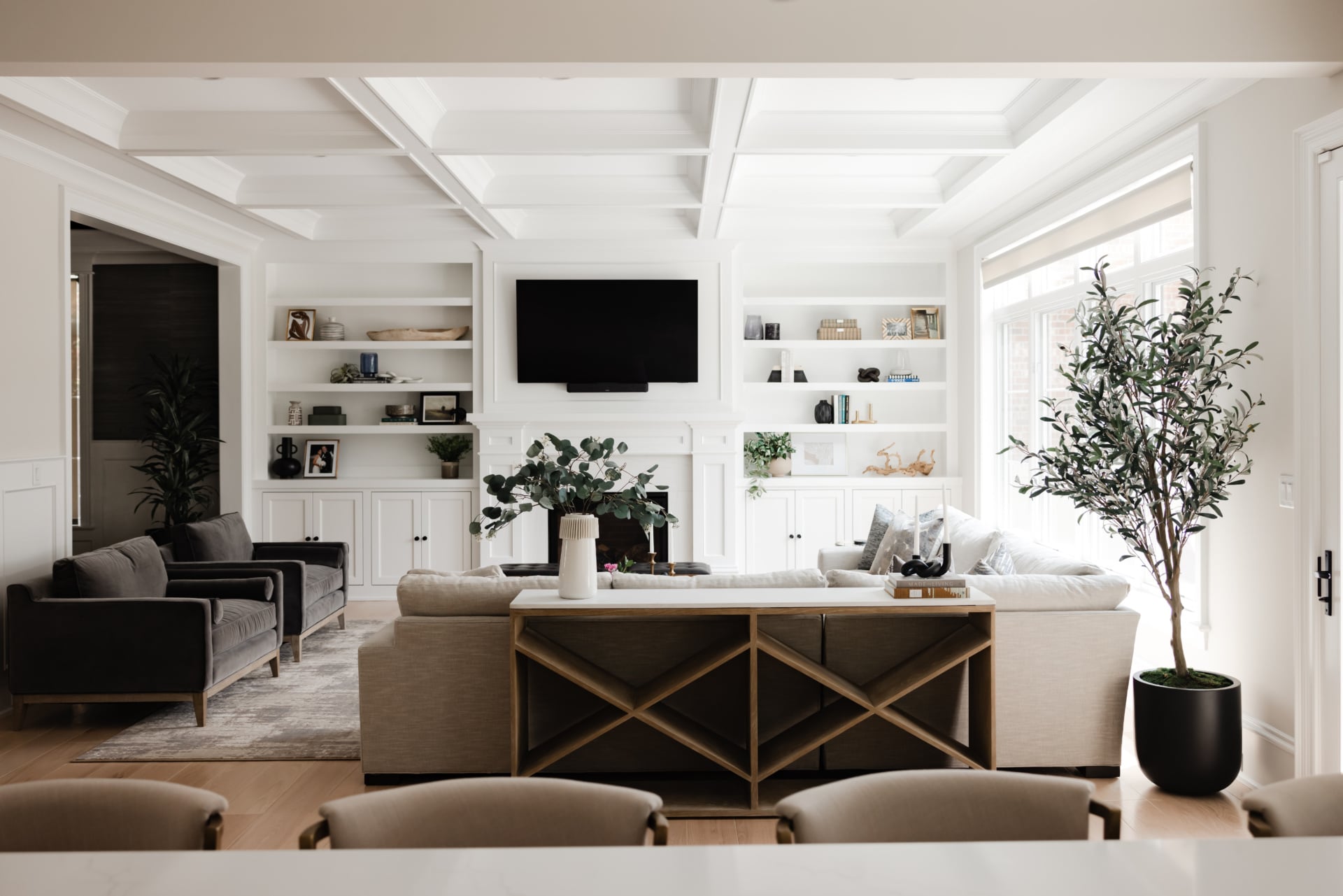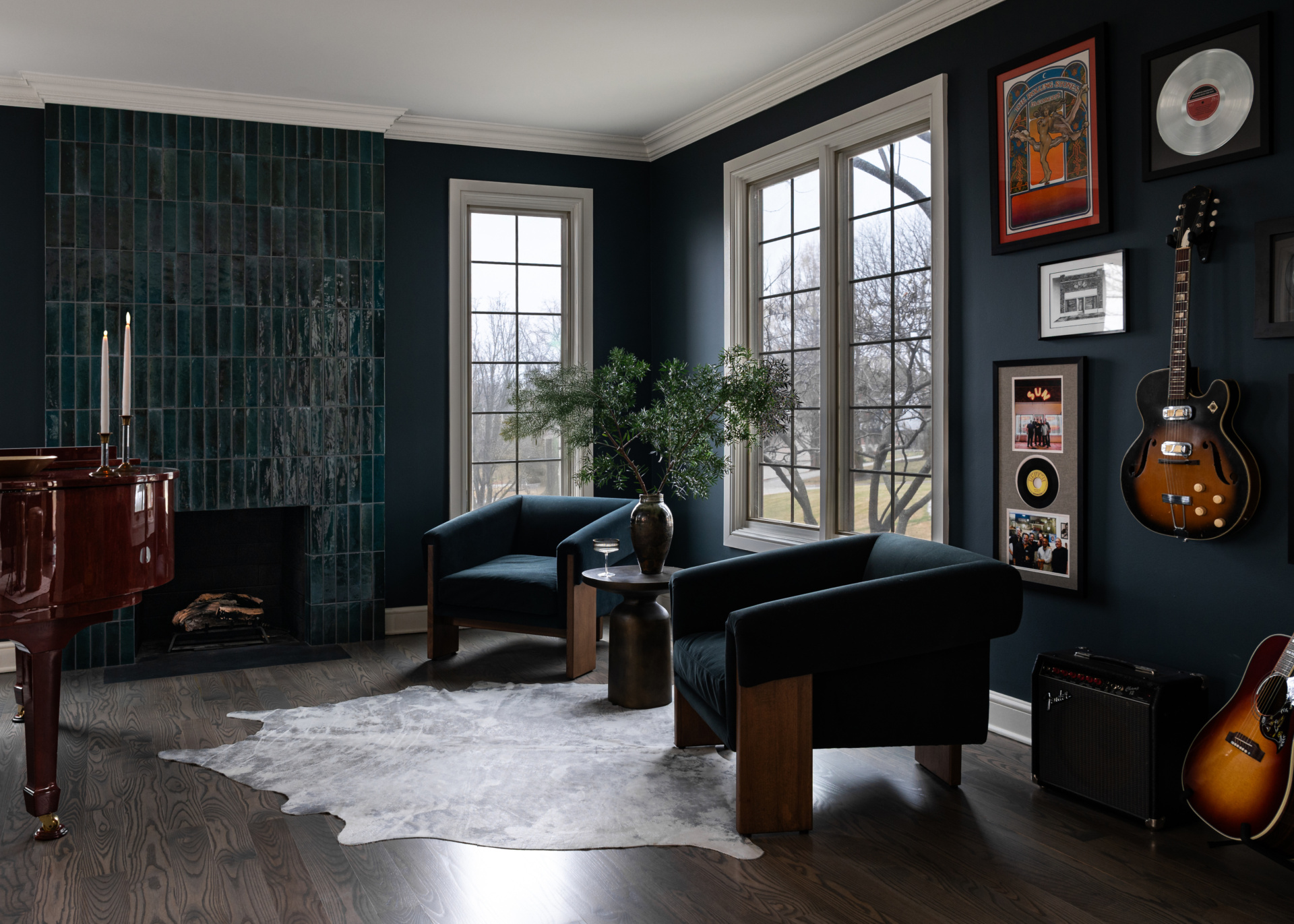
Style quiz result: Farmhouse Craftsman
Farmhouse craftsman interior design is a warm, cozy style that uses natural materials like wood and stone. It has simple shapes, handmade-looking details and a comfortable, welcoming feel. It frequently incorporates wall molding such as tongue and groove, beadboard or shiplap, which is where a lot of its character lives.
If the quiz landed you here, you kept choosing rooms where the materials and the making were on show. That is a quality instinct, and it is one we share. You get what you pay for. Cheap furniture is made from cheap materials using fast construction, and it shows within a few years. A farmhouse craftsman room is the argument for the opposite, made in wood.
Style labels describe surfaces. Three decisions locate the room. Here is where farmhouse craftsman sits on each.
Medium. Wood and stone carry weight, but the shapes are simple and the rooms stay open. The craftsman side leans darker and more enclosed; the farmhouse side pushes lighter with painted wood and white walls. Either way the built-ins and the molding anchor the room.
Low pattern, high texture. The ornament is in the making: wall molding such as tongue and groove, beadboard or shiplap, visible joinery, wood grain, stone, handmade-looking details. Softness comes from textiles rather than print.
Warm, almost always. Oak, walnut, leather, iron, sage and olive greens, ochre, plaster. The cooler version exists, a gray-washed farmhouse, but it is the exception.
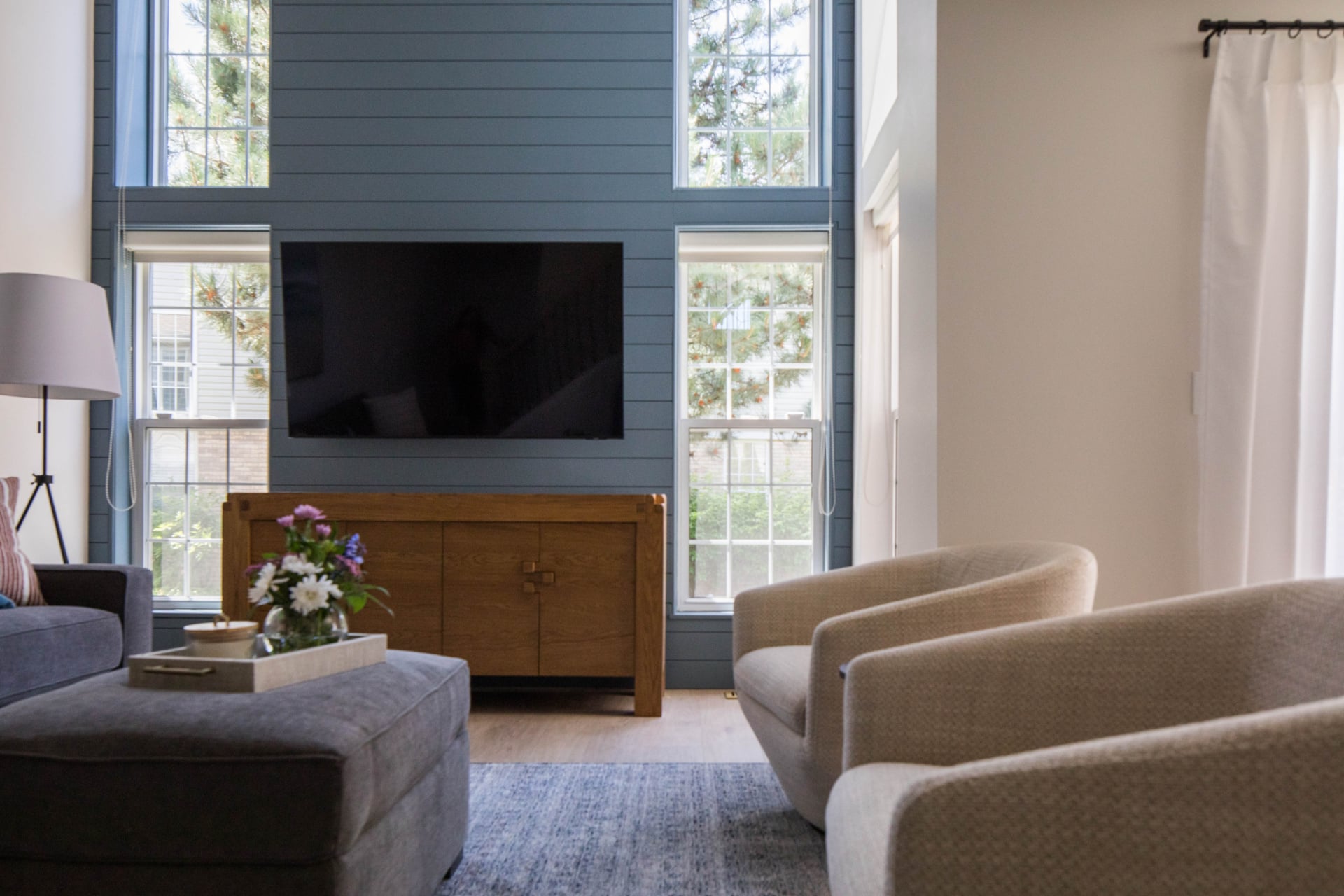
The craftsman move is millwork that belongs to the room rather than sitting in it: bookcases, window seats, a wall of cabinetry, and wall molding such as tongue and groove, beadboard or shiplap on the walls that can carry it. We design and detail all of it to the architecture, down to the width of the boards, the proportions of the rails and the way the doors meet the crown. It is the part of the project that outlasts every sofa, and it is where the craftsmanship in the name actually lives.
In a farmhouse craftsman room, how something is made is visible. A solid wood table, a properly built sofa, a stone hearth, real boards on the wall: these read as honest because they are. That is also why the quality argument matters more here than anywhere. Upholstery is the number one place we tell clients to invest, because a well-built piece in a room full of real materials looks right for decades, and a cheap one looks wrong in three years.
We space plan before anything is chosen, because built-ins and wall molding are permanent and scale mistakes in millwork are expensive to live with. Then we learn how the household lives. Kids, pets and allergies change what we specify, and a family playroom built around green shelving full of books and baskets is designed for the people who use it, not for the photograph.
Farmhouse is the style most often bought in a single trip: a sign that says gather, barn-door hardware as decoration, peel-and-stick planks, a black metal chandelier. That is farmhouse as fancy dress. It has the accessories and none of the substance, and it dates faster than any other look because everyone can see exactly when it was bought.
The substance is the materials and the making. Tongue and groove, beadboard and shiplap belong to this style, and they look right when they are real boards, sized to the room and put on the walls that can carry them. Wood and stone never go out of style; the way they are used is what dates. Use what you love, in a way that is built rather than applied, and worry less about the name.
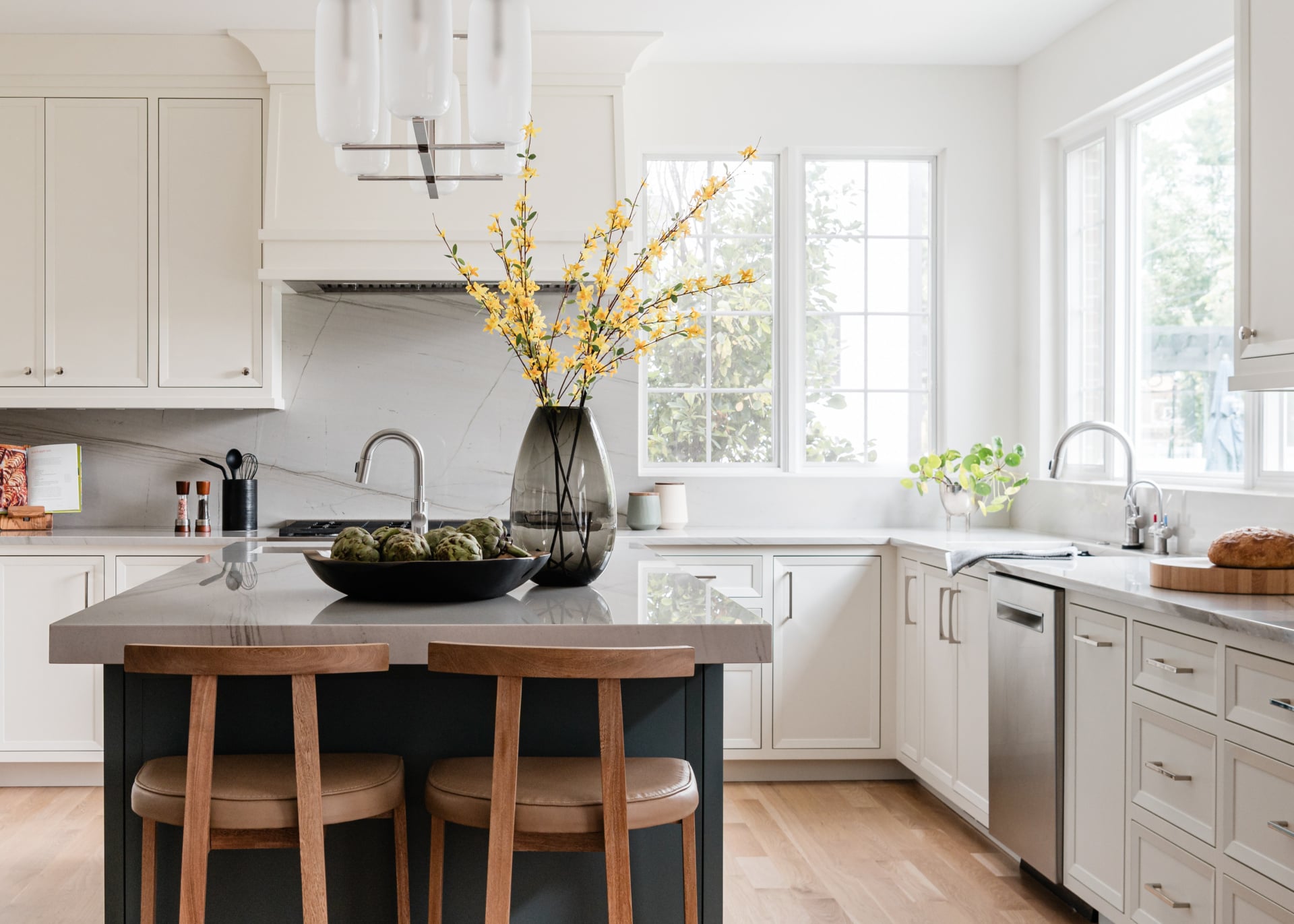
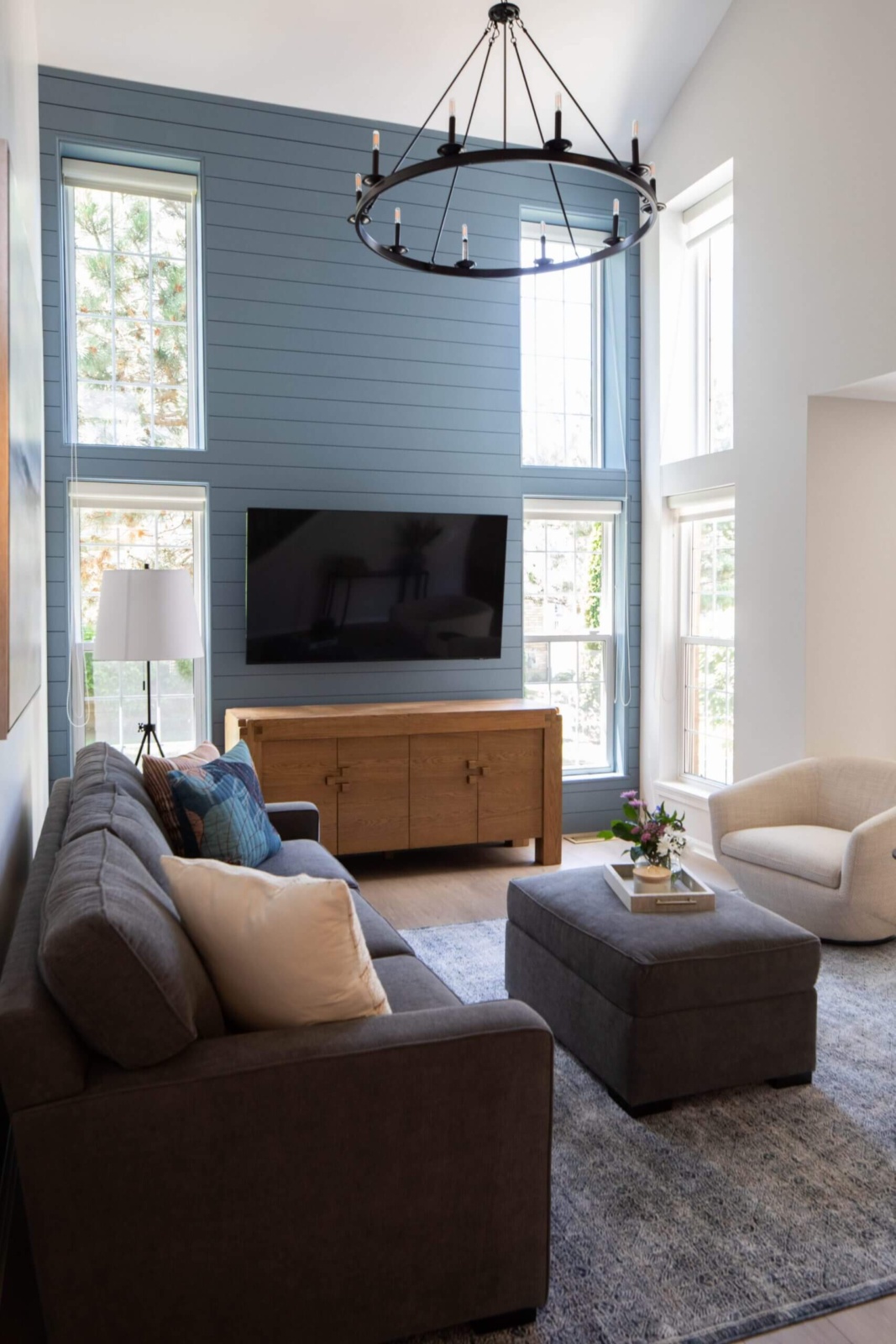
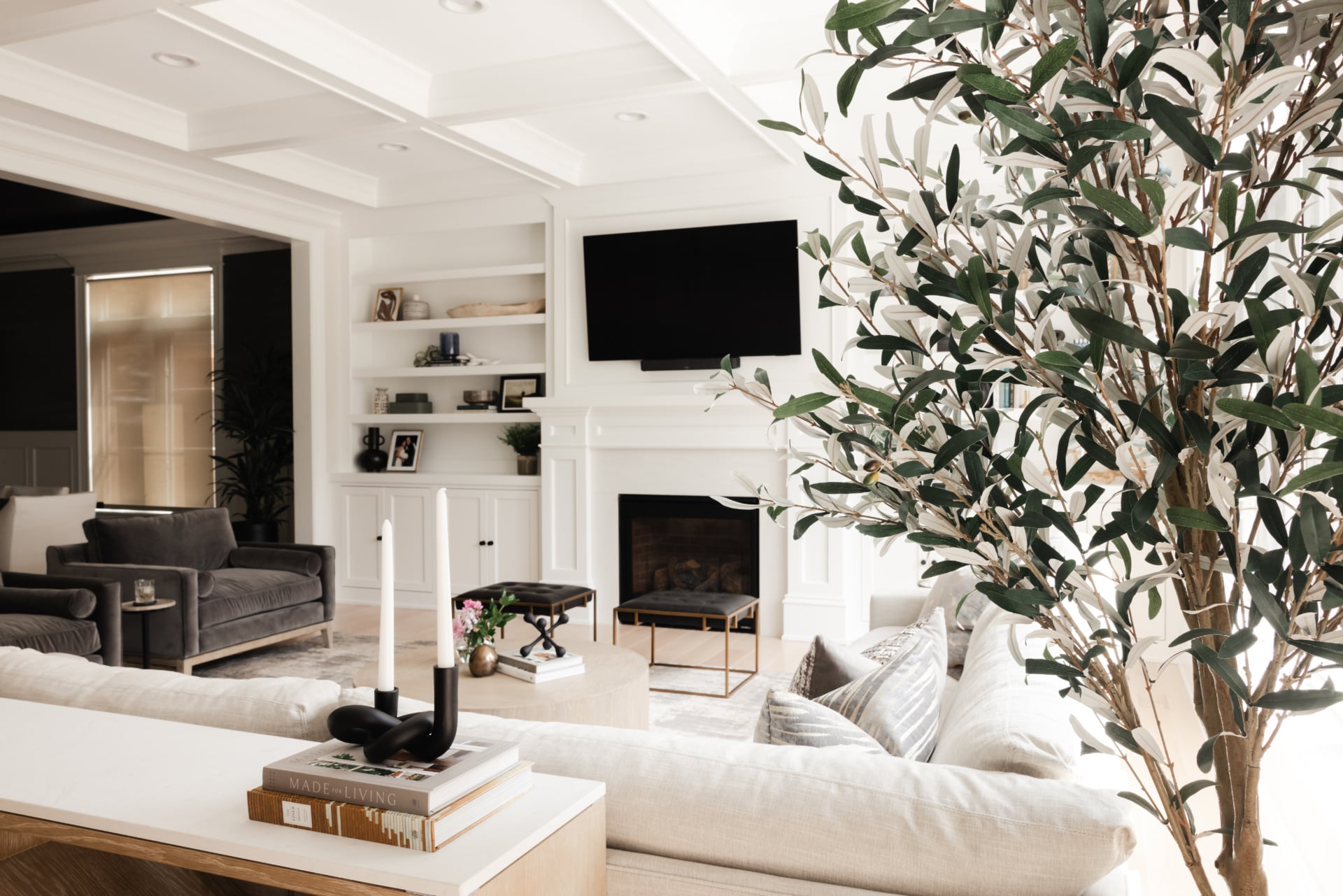
Rooms from recent projects that share this sensibility. See more in the full portfolio.
Chicago has more genuine craftsman housing stock than almost any American city: the bungalow belt, Prairie School influence in Oak Park and River Forest, foursquares and craftsman bungalows through La Grange, Downers Grove and Glen Ellyn. These houses come with built-in buffets, window seats, oak trim and beamed ceilings, and the right approach is to restore and extend that woodwork rather than paint over it.
In the newer western suburbs, builders have labeled a great deal of new construction modern farmhouse: black windows, board and batten, white kitchens. The bones are usually fine. The interior work is giving those houses real materials and real millwork, inside as well as out, so they read as built rather than assembled.
Farmhouse craftsman is a warm, cozy style that uses natural materials like wood and stone. It has simple shapes, handmade-looking details and a comfortable, welcoming feel, and it frequently incorporates wall molding such as tongue and groove, beadboard or shiplap. In Chicago it overlaps with the Arts and Crafts bungalow belt and the Prairie School.
Both rely on natural materials and honest construction, which is why they sit together here. Craftsman is more polished and architectural: fine woodwork, built-ins, clean lines, a refined finish. Farmhouse is more rustic and nostalgic: painted and reclaimed wood, iron, wide planks, a cozier and more informal room. Most of what we build takes a little from each.
Tongue and groove, beadboard and shiplap are the three we use most, along with board and batten and simple flat paneling. Each has a different scale and texture: beadboard is fine and vertical, shiplap is wider and reads as planks, tongue and groove sits between them. We choose by the room's proportions and put it on the walls that can carry it rather than on every wall.
The costume version is: the signs, the decorative barn-door hardware, the printed-on planks. The substance is not. Real wood, real stone, real boards on the wall and well-built furniture never go out of style; the way they are used is what dates. Nothing is ever completely timeless anyway, so use what you love and worry less about the label.
No. Historic craftsman interiors used a lot of dark oak, but the style is about the quality and visibility of the woodwork, not its color. Painted built-ins, a sage green cabinet wall, white oak, beadboard in a soft color and mixed finishes are all craftsman in spirit as long as the construction is real and the detailing is right.
Yes. Custom millwork is central to our full-service work: bookcases, window seats, cabinetry walls, fireplace surrounds, wall molding and paneling, detailed to the architecture and built by our trade partners. It is usually the first thing we design in a farmhouse craftsman project, because everything else is arranged around it.
If the quiz gave you two styles, read both pages. The place where they overlap is usually the real brief, and it is almost always narrower than either label. Not sure where you sit? Take the style quiz.
Tell us about your home and how you want to live in it. We will walk you through our design process and what working together looks like.