
Last updated August 27, 2026
Key Takeaways
- Do not aim for a fifty-fifty blend. A room split evenly between two styles reads as indecision rather than as a mix.
- Decide which style is the host and which is the guest. Roughly eighty-twenty is the ratio that looks deliberate.
- The architecture is always the host. If the room has ornate millwork, that is the traditional voice whether you chose it or not.
- A mix needs a through-line to hold it together: one repeated material, a consistent colour temperature, or a consistent visual weight.
- Mix between categories rather than within them. Traditional case goods with modern seating works. Two sofas from different eras rarely does.
- Upholstery is where the guest style shows most, and where the quality of the piece is most exposed.
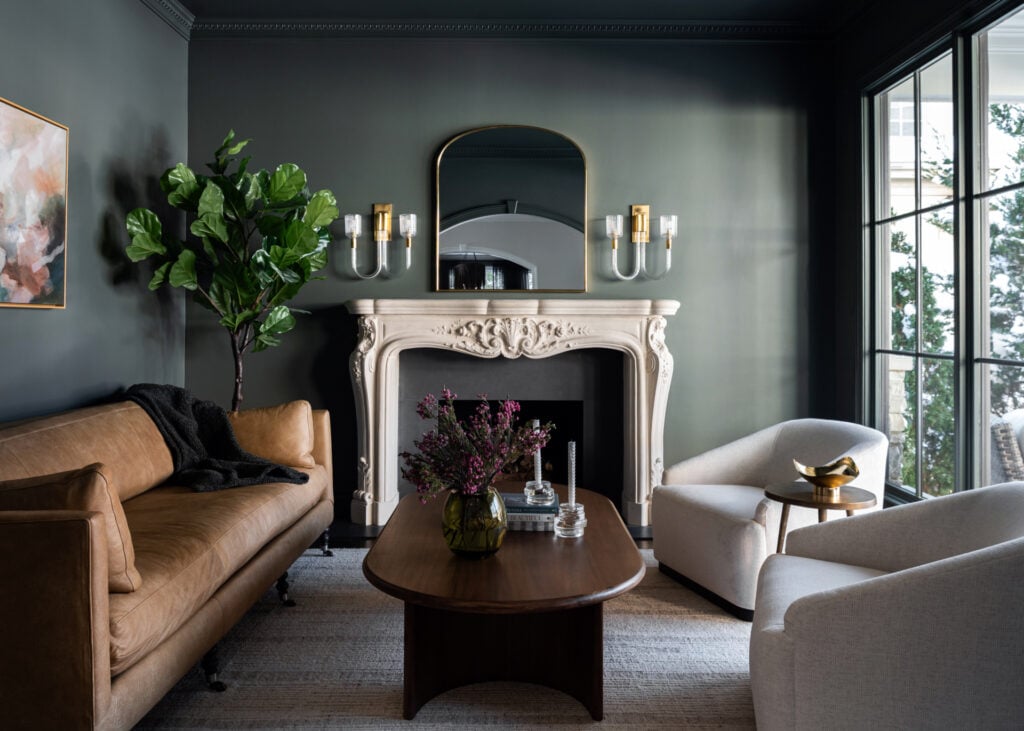
To mix traditional and modern furniture successfully, decide which of the two sets the room and let the other punctuate it, at roughly eighty to twenty rather than half and half. Then give the mix a through-line, a repeated material, a consistent colour temperature or a consistent visual weight, so the two read as one decision rather than as two sets of furniture that happen to share a room.
The advice to simply “blend old and new” is where most of these rooms go wrong. An even blend has no point of view, and a room without a point of view reads as unresolved no matter how good the individual pieces are.
Host and guest
This is the framework worth taking away, because it turns a vague aesthetic question into a decision you can actually make.
One style is the host. It sets the room: the majority of the furniture, the tone, what the space feels like when you walk in. The other is the guest. It appears a few times, deliberately, and its job is to stop the host style from becoming a period reproduction or a showroom.
A traditional room with three modern pieces reads as a confident traditional room with wit in it. A modern room with three antiques reads as a modern room with depth and history. A room that is genuinely half and half reads as two people who could not agree.
Which one hosts is not really a free choice, which brings us to the architecture.
The architecture decides the host
The room votes before you do, and arguing with it is the most common way these schemes fail.
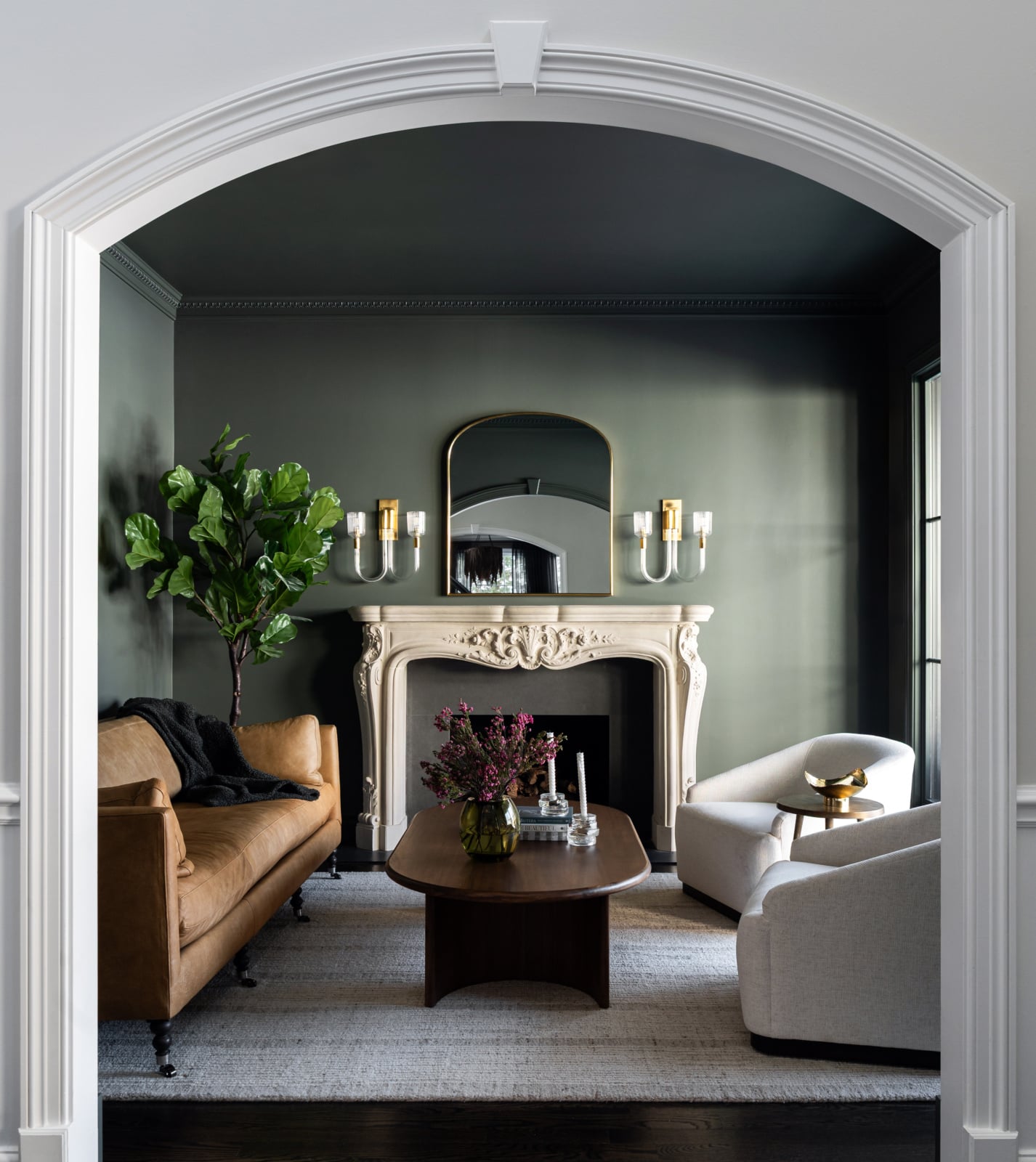
If the room has deep original mouldings, a carved mantel, panelled doors and picture rails, the traditional voice is already established and it is louder than any sofa. Fill that room with entirely modern furniture and you do not get a modern room, you get a traditional room that appears to be waiting for its furniture to arrive. The architecture is the host. Your modern pieces are the guests, and they will look sharp in that role.
The reverse is equally true. In a new build with flat plasterboard, square openings and no millwork, traditional furniture has nothing to lean against and can look stranded, like a stage set. There, modern hosts and antiques are the guests that give the room some age.
Where a room genuinely has no strong architectural character, you get to choose, and the choice should come from what you actually like rather than what the house is worth.
The through-line
This is the part that separates a considered mix from a jumble, and it is rarely explained.
Two pieces from different centuries sit together comfortably when they share something. It only has to be one thing, but it has to be consistent across the room.
Colour temperature is the easiest: keep every wood in the room on the warm side, or every wood on the cool side, and a Georgian chest will sit happily beside a modern console. Material is the next: repeat one metal, one stone or one textile family across both camps. Visual weight is the subtlest and often the most effective: pieces that are similarly substantial read as belonging together even when their shapes have nothing in common.
What does not work is mixing styles and mixing through-lines at the same time. That is when a room stops reading as a scheme and starts reading as an accumulation.
| Combination | How it reads | Why | Handle with care |
|---|---|---|---|
| Traditional architecture, modern furniture Modern pieces as guests in a period room. |
Sharp and current, and the millwork stops it feeling cold | The architecture carries the history so the furniture does not have to | Too much modern and the room feels unfurnished rather than edited |
| Modern architecture, antique pieces A few older pieces in a clean shell. |
Gives a new room the age it does not have | Each antique reads as a deliberate object rather than as inherited clutter | Antiques need light and space around them or they look apologetic |
| Traditional case goods, modern seating Mixing between categories rather than within them. |
The most reliable mix there is | Different categories are read separately, so they do not compete | Very little. This is the safe route |
| Traditional sofa beside a modern sofa Mixing within a category. |
Reads as mismatched rather than mixed | The eye compares like with like and sees a discrepancy | Avoid. If you need two sofas, they should agree |
| Fifty-fifty across the room An even split between two styles. |
Indecisive. No style is hosting | There is no dominant voice for the guest pieces to play against | The single most common failure |
| Reproduction traditional throughout New furniture made to look old. |
Flat, and dates faster than either real antiques or modern pieces | It has neither the patina of age nor the confidence of the present | The look people are usually trying to escape |
Ratios are a guide rather than a rule. The test is whether a visitor could say what kind of room they are standing in within a few seconds.
Mix between categories, not within them
The most reliable version of this, and the one to fall back on when a room is not coming together.
Your eye compares things that do the same job. Two sofas, two armchairs, two side tables: put a traditional and a modern one beside each other and the difference reads as a mistake, because you are looking at the same object twice and it does not match.
Across categories the comparison never happens. A carved antique chest under a hard-edged modern mirror is not a contradiction, because a chest and a mirror are not competing. Traditional case goods, modern seating. Antique dining table, contemporary chairs. Modern sofa, inherited side tables. These work almost every time.
The dining table and chairs pairing is the clearest example. A generous old table with clean modern chairs is one of the most dependable combinations in a house, and it works because nobody reads a table and a chair as versions of the same thing.
Where the guest pieces should go
Placement matters as much as ratio. Guest pieces scattered evenly round the room dissolve into background.
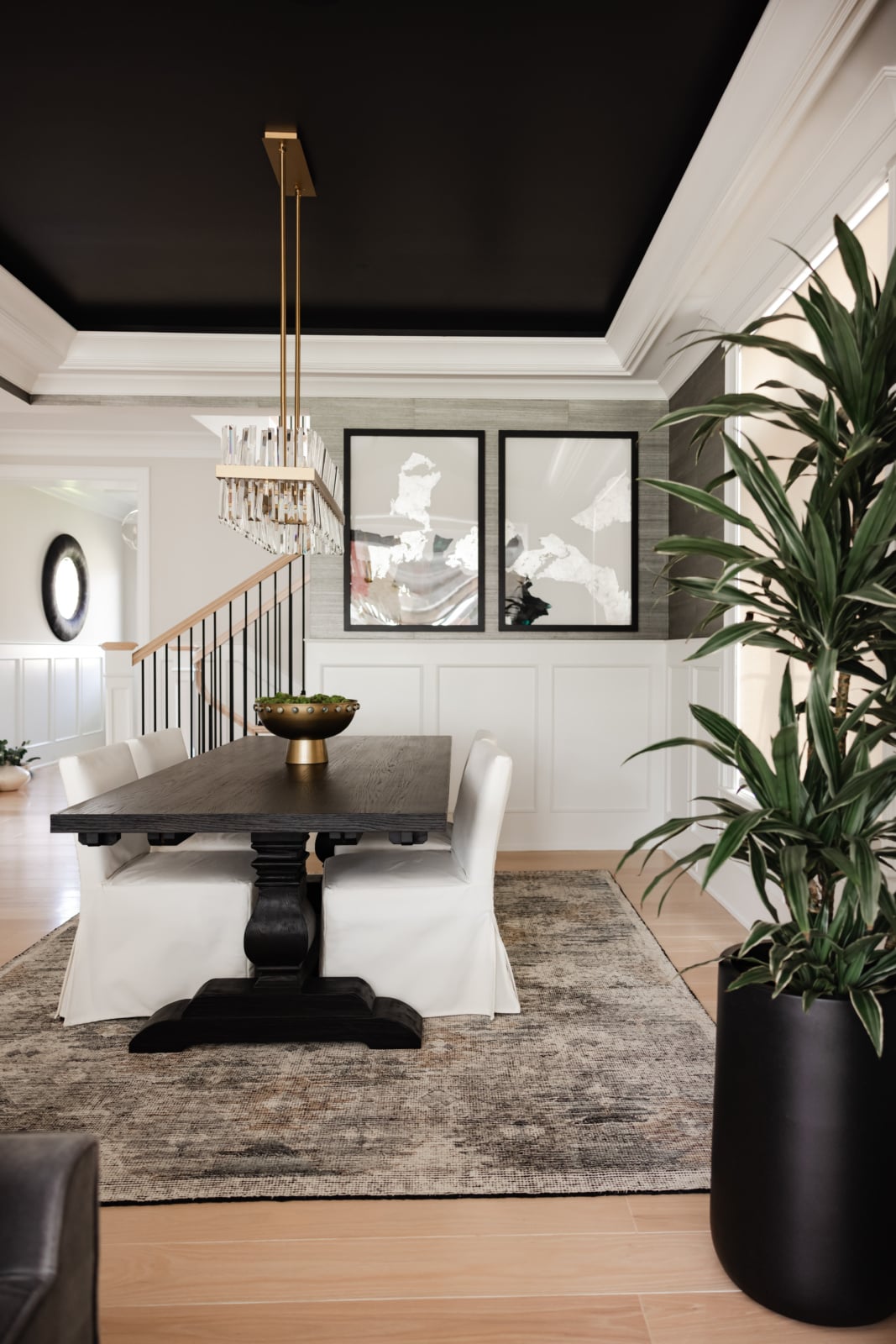
Put them where the eye already stops: flanking the fireplace, at the end of a sightline, in the middle of the room, next to something you look at every day. Two or three guest pieces placed at the points of focus do more than eight distributed politely.
Give them air. A modern piece pressed into a run of traditional furniture just looks out of place. The same piece with space around it reads as chosen.
Upholstery is where it shows
If there is one place to spend more in a mixed room, it is upholstery, and there are two reasons for that here specifically.
The first is practical. Fast construction and low-grade materials are why a sofa looks lumpy three years after it was bought, and in a room where an antique is sitting nearby, holding its shape after a century, that contrast is brutal. The old piece makes the new one look worse than it would on its own.
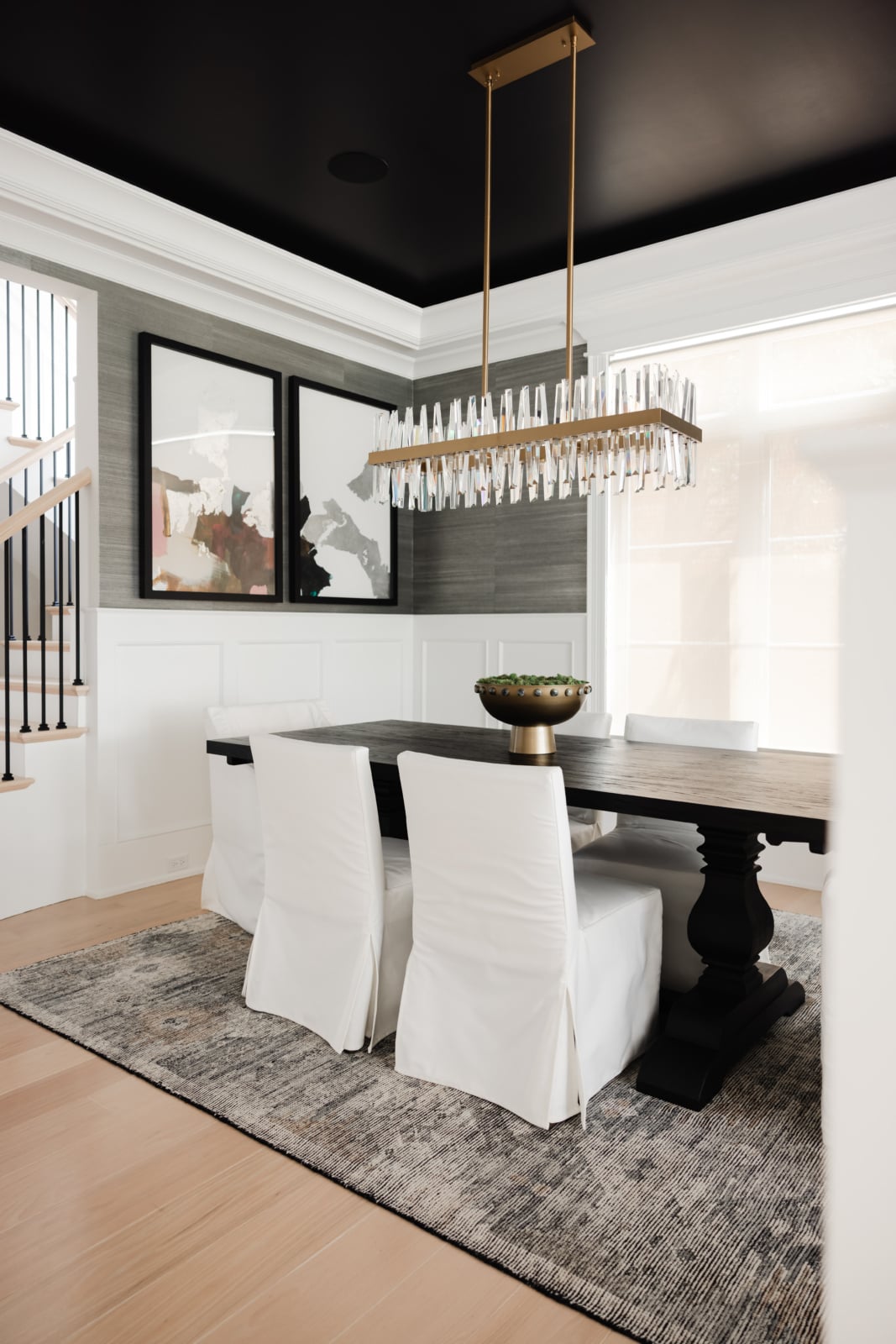
The second is that upholstery is usually where the guest style lives. It is the category people are most willing to be adventurous in, which means it is carrying the interest in the room. A shape that is doing that job needs to be well made enough to still look right in five years.
Invest in quality and you will spend less over time simply because you replace things less often.
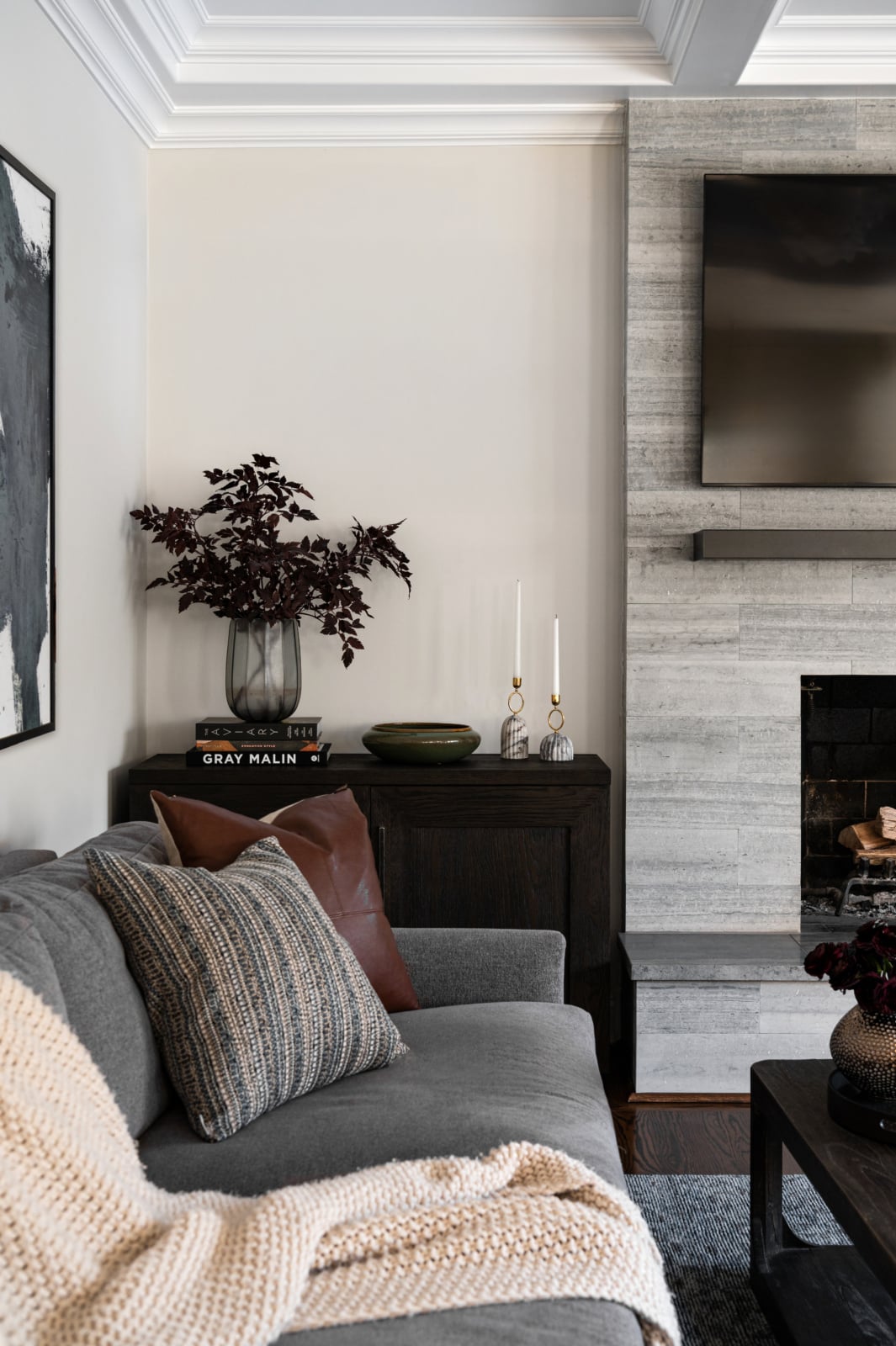
What to do with inherited furniture
Most rooms of this kind start with a real constraint: a piece somebody has that they are not getting rid of.
Treat it as a guest and give it the best position in the room rather than the least conspicuous one. A single good antique placed where you actually look at it becomes a feature. The same piece pushed into a corner because it does not match reads as something nobody knew what to do with.
If it is genuinely not a good piece, that is a different conversation and worth having honestly. Sentimental value is a real reason to keep something, and a home should tell you about the people in it rather than look ordered from a catalogue. But sentiment is a reason to place a piece well, not a reason to build a whole scheme around something nobody likes.
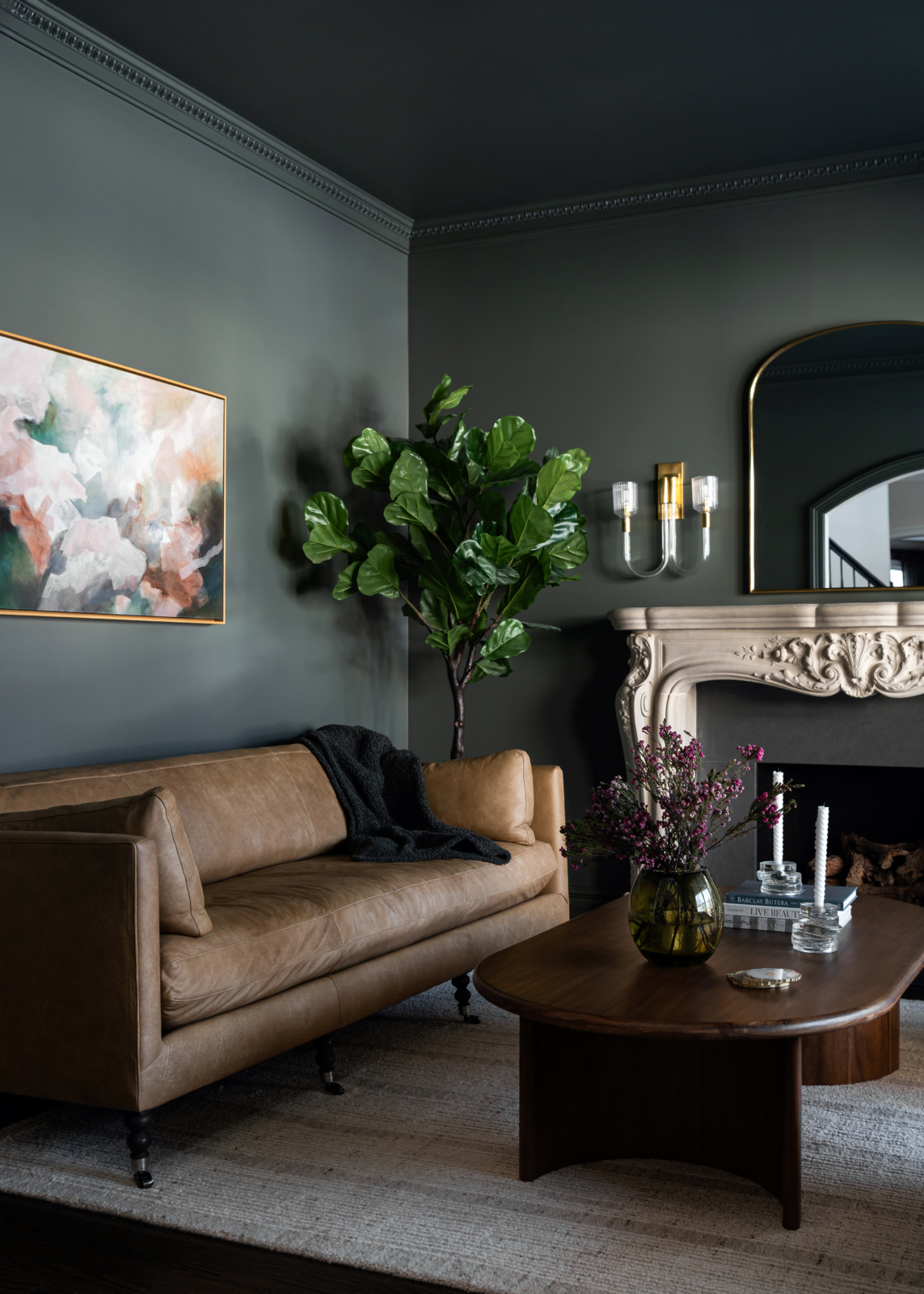
Do not aim for timeless
The usual advice for mixed rooms is to keep everything neutral so it will not date. It is worth pushing back on that directly.
Nothing is ever completely timeless. There is always some element of a piece that shows when it was chosen, in the same way clothes do: styles return, but something is always different from the previous version. Marble is called timeless, and the way marble is used is what goes out of style, not the stone.
Try to make every element in a home timeless and you end up with everything neutral, and neutral quickly becomes boring. Use what you love and worry less about whether it will still be fashionable. Life is short, and you should like your home.
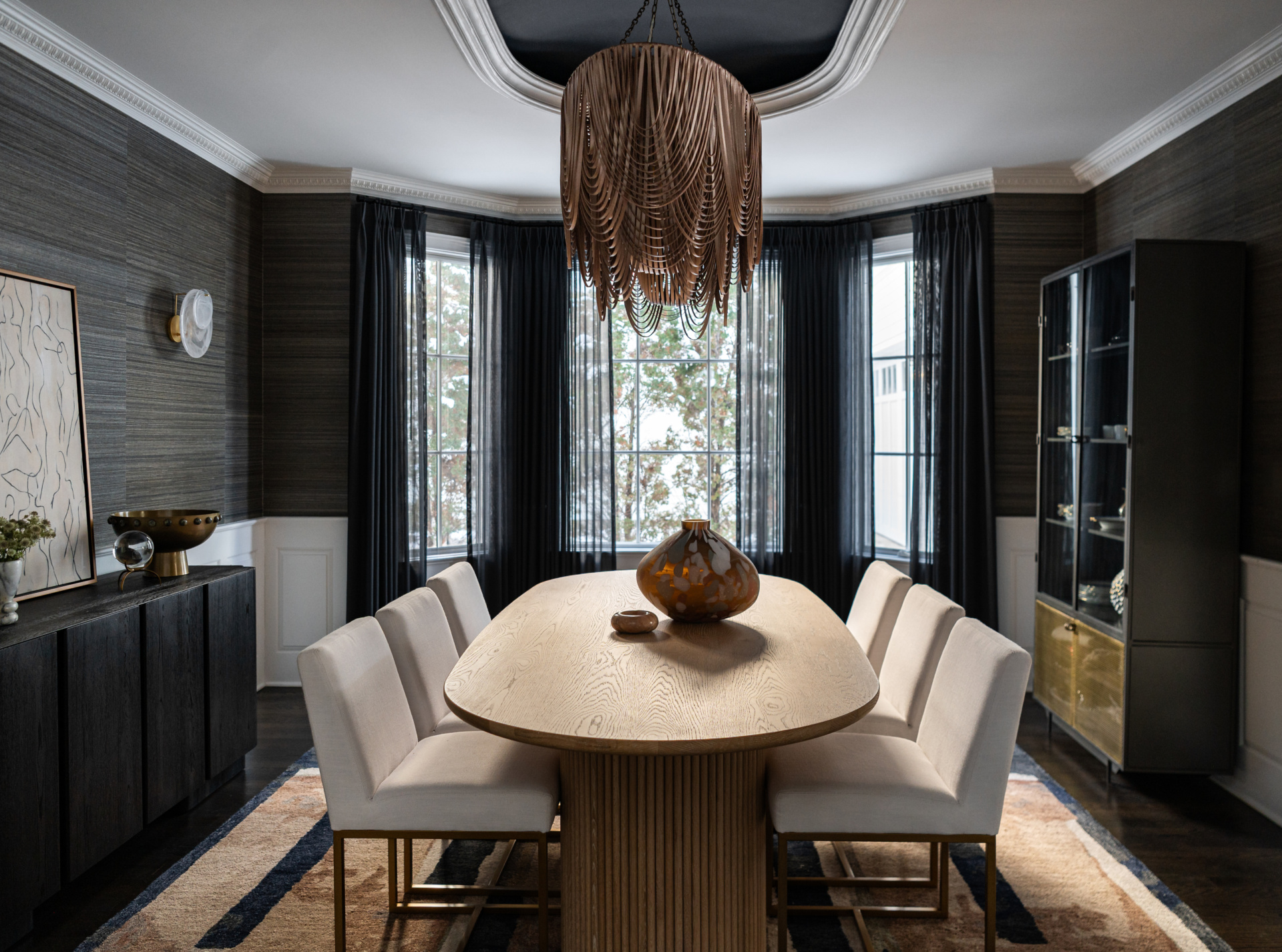
Chicago houses specifically
The local housing stock makes this question unavoidable rather than optional.
City greystones, vintage walk-ups and older suburban houses in Hinsdale, Elmhurst and La Grange come with real traditional architecture: deep trim, panelled doors, carved mantels, sometimes leaded glass. In these houses the host is decided for you, and the interesting work is choosing which modern pieces to bring in and where to put them. Preserving the original millwork is almost always the right call, and it is what makes the modern furniture look considered rather than accidental.
Newer construction in Naperville and Oak Brook has the opposite condition: generous rooms with little architectural character, where modern hosts comfortably and a few older pieces supply the depth. Scale is the thing to watch there, because large new rooms swallow furniture sized for older houses, and an antique that looked substantial in a city apartment can disappear entirely.
Working through it with us
Mixed rooms are the ones where an outside eye earns its keep, because the hardest part is deciding what the room is before anything is bought. You can see how we work on our design process page, look through recent projects, or get in touch about your own home.
Related reading: the art of transitional design, choosing a statement piece, identifying your design style, types of wood in interior design and high contrast rooms. We work across Chicago, Hinsdale and Naperville.
Frequently asked questions
How do you mix traditional and modern furniture?
Choose which style hosts the room and which appears as a guest, at roughly eighty to twenty rather than half and half. Then give the mix a through-line, one repeated material, a consistent colour temperature or a consistent visual weight, so the two styles read as a single decision.
What ratio of traditional to modern works best?
About eighty to twenty in either direction. A room that is evenly split between two styles reads as indecision, because no style is setting the tone for the other to play against. The test is whether a visitor could say what kind of room they are in within a few seconds.
Should the furniture match the architecture of the house?
The architecture is the host whether you choose it or not. A room with deep mouldings and a carved mantel already speaks traditionally, so modern furniture there works as the guest. A new build with flat walls hosts modern comfortably, and antiques become the pieces that give it age.
What is the safest way to mix styles?
Mix between categories rather than within them. Traditional case goods with modern seating, an antique dining table with contemporary chairs, a modern sofa with inherited side tables. Your eye compares things that do the same job, so a traditional sofa beside a modern sofa reads as mismatched.
How do you make a mixed room look intentional rather than cluttered?
Give it a through-line. Keep every wood in the room on the same side of warm or cool, repeat one metal or stone across both styles, or keep the visual weight of the pieces consistent. Mixing styles and mixing through-lines at once is what turns a scheme into an accumulation.
Where should the accent pieces go?
Where the eye already stops: flanking the fireplace, at the end of a sightline, or in the middle of the room. Two or three guest pieces at the points of focus do more than eight spread evenly. Give each one space around it, or it reads as out of place rather than chosen.
What should I do with inherited furniture that does not match?
Treat it as a guest and give it a good position rather than hiding it in a corner. A single antique placed where you actually look at it becomes a feature, while the same piece tucked away looks like something nobody knew what to do with. A home should tell you about the people in it.
Should a mixed room be kept neutral so it does not date?
No. Nothing is completely timeless, and designing everything to be safe produces a neutral, boring room. Even materials described as timeless, marble for instance, go out of style in the way they are used rather than in themselves. Use what you love.