
Last updated August 27, 2026
Key Takeaways
- Judge a trend by which layer of the room it lands in. On paint and cushions, be bold. On stone, joinery and a sofa frame, be sure.
- The things people are actually asking us for are warmth, colour in the smaller rooms, better storage and better light, rather than any particular look.
- Some of what gets published as a trend is simply an improvement, and those are worth adopting whatever happens to fashion.
- What ages badly is anything that requires the whole room to agree with it, and anything strong applied to a permanent surface.
- A trend adopted because it is current tends to be abandoned when it stops being current. One adopted because you liked it does not.
- Beyond any of this, personal taste is the point. Dara’s position is to use what you love, because life is too short for a room chosen to be defensible.
Trend lists describe a direction. Houses have stone that is already installed, a sofa that is four years old and a household with opinions, and what arrives in a real home is always a filtered version of what was published.
The useful question is not which trends are happening. It is which ones are worth acting on in your house, and that turns out to have a fairly mechanical answer.
Judge a trend by which layer it lands in
The test that resolves most of these decisions.
Every room has a permanent layer, a semi-permanent one and a changeable one. Stone, tile, joinery, a sofa frame and the layout are permanent. Upholstery fabric, chairs, lamps and paint are semi-permanent. Cushions, art placement, objects and styling change whenever you like.
A trend that lands in the changeable layer costs almost nothing to try and nothing to abandon. There is no reason to be cautious about a colour on the walls, a run of cushions or the way a shelf is arranged, and considerable reason not to be, since caution there is what produces rooms nobody remembers.
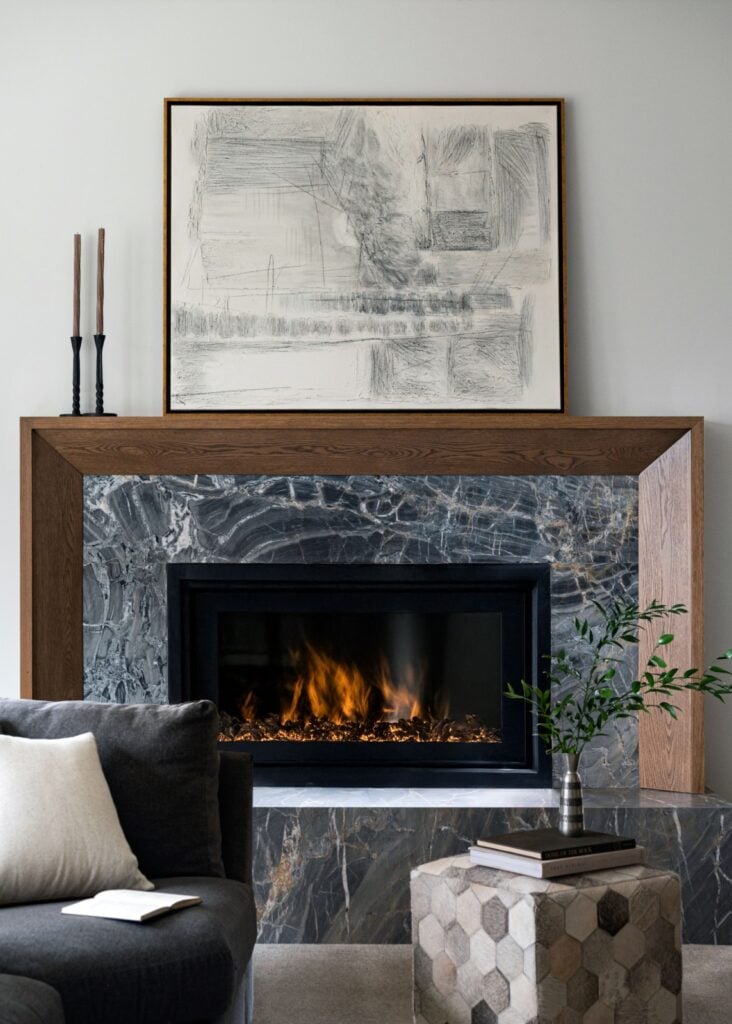
A trend that lands in the permanent layer is a different decision entirely. A strongly veined stone, a distinctive tile shape, a specific timber tone on a whole kitchen, these are ten year commitments, and they should be made because you want them rather than because they are current.
Most bad outcomes come from getting this backwards: hesitating over paint and committing on stone.
What people are actually asking for
What we see in briefs, which is not identical to what appears in trend roundups.
Warmth, consistently. Requests to move away from grey and cool white towards warmer neutrals, timber tones with some depth in them, and metals that are not chrome. This is the most consistent thing we hear and it has been building for several years rather than arriving this season.
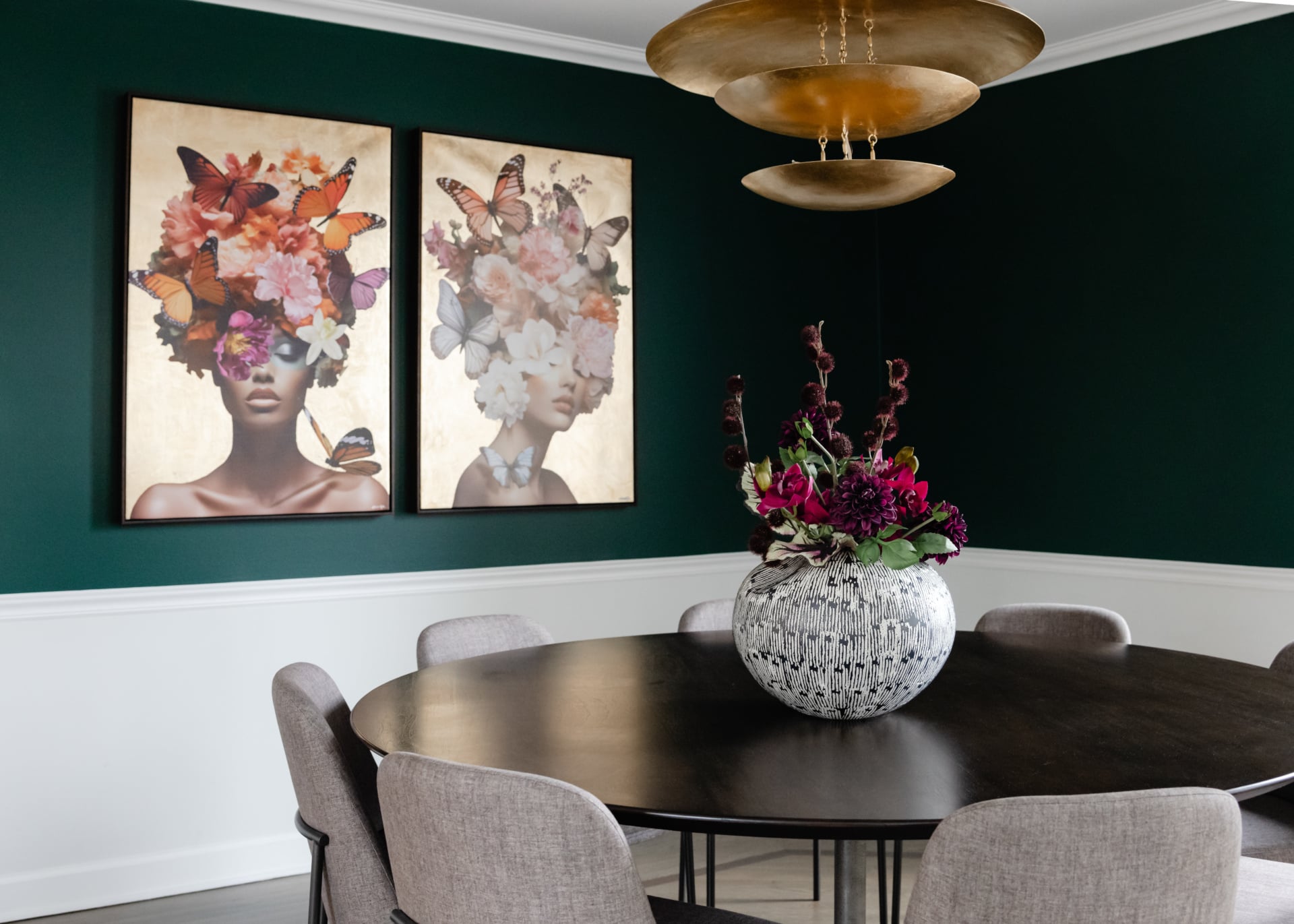
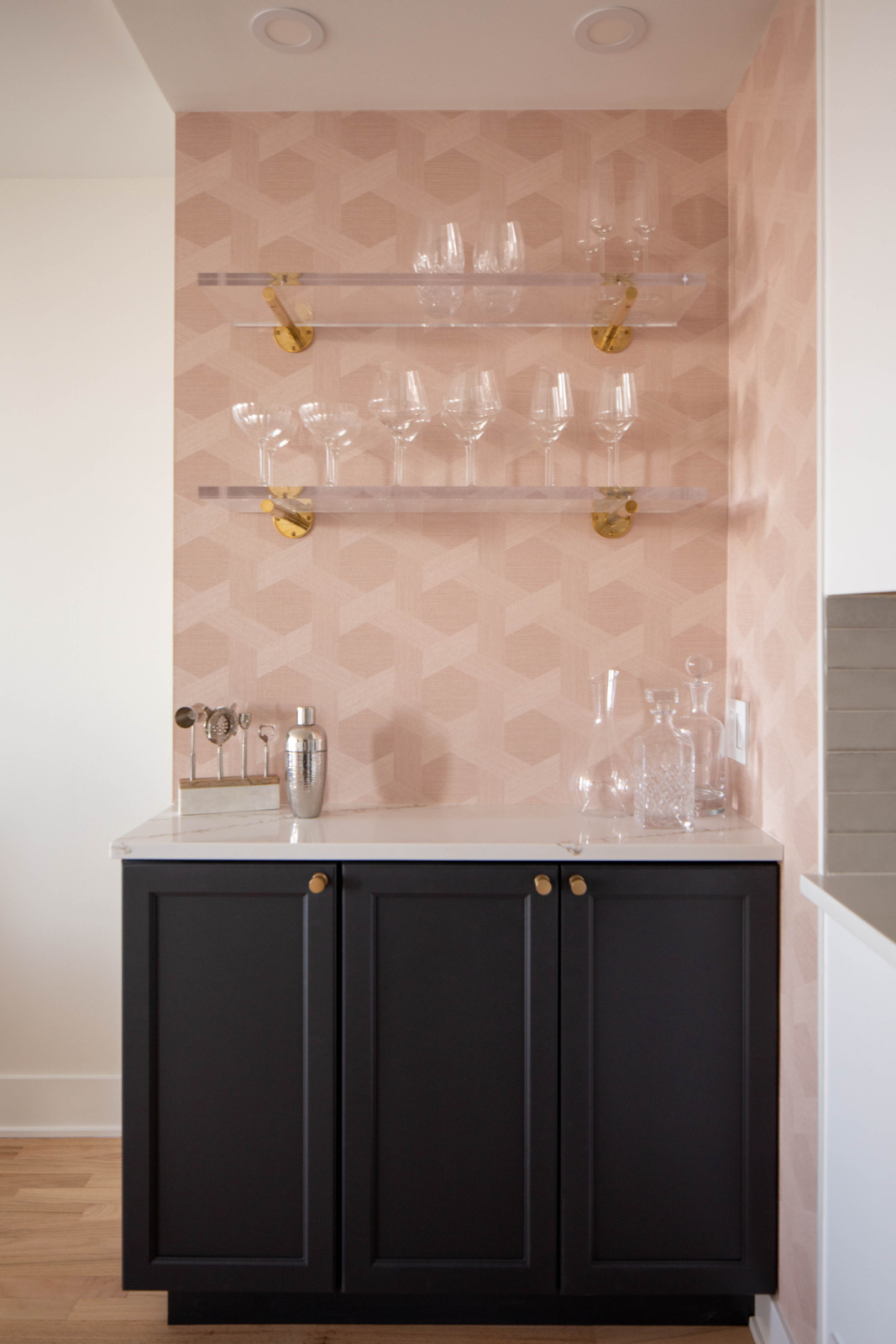
Colour, but usually starting in the smaller rooms. Powder rooms, studies, bars, back halls. People are readier to commit somewhere they do not spend hours, which is sensible and also happens to be where colour has the greatest effect.
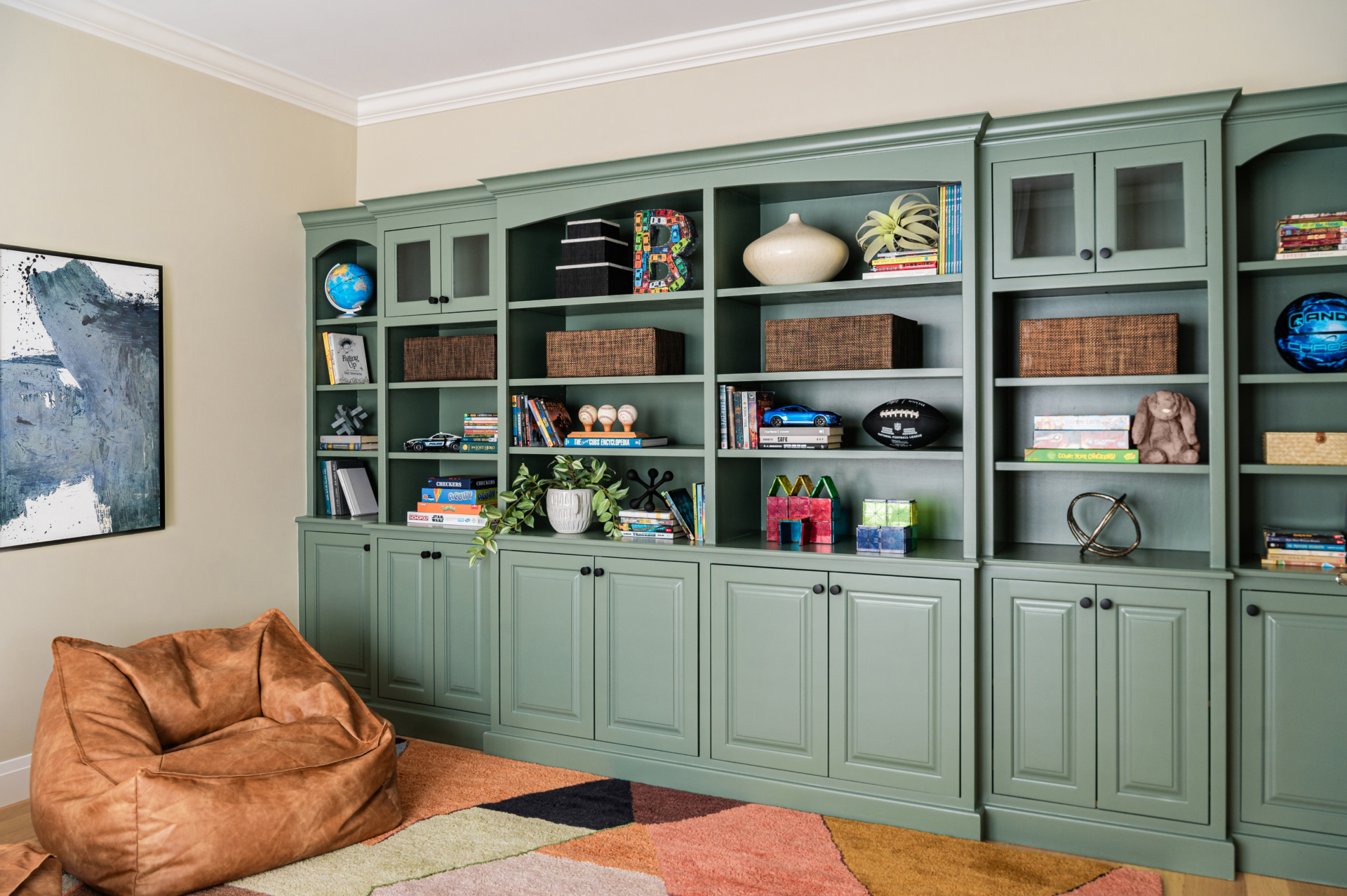
Storage, and specifically joinery rather than furniture. Built-in rather than bought, because it fits the room and because it removes the visual clutter of several separate pieces.
And better light. Not more fittings, better arrangement: layered light, dimming that works, and a move away from a grid of downlights as the whole answer.
None of those four is really a trend. They are a change in what people want their houses to do, which is more durable.
Where each current direction actually lands
The same list, sorted by how difficult it is to change your mind.
| Direction | Layer it lands in | How reversible | Worth asking first |
|---|---|---|---|
| Warmer neutrals and off whites | Paint. Changeable | Entirely. A weekend | Does it work in February light as well as June |
| Saturated colour in a small room | Paint, sometimes paper. Changeable | Easily | Is this a room you pass through or sit in |
| Colour on joinery | Semi-permanent. Repaintable, but it is a job | Moderately | Would you still want it in a paler version |
| Curved and sculptural seating | The frame is permanent, the fabric is not | Only by replacing | Is it comfortable for the way you actually sit |
| Fluted and reeded surfaces | Joinery. Permanent | Not really | Do you like the detail or the moment it belongs to |
| Strongly veined stone | Permanent, and usually expensive to redo | No | Will it still please you when it is the loudest thing in the room |
| Unlacquered brass and warm metals | Semi-permanent. Fittings can be swapped | Reasonably | Are you comfortable with a finish that changes over time |
| Layered and dimmable lighting | Permanent, and an improvement rather than a fashion | Not easily, so do it during work | Nothing. This one is simply better |
| Built-in storage | Permanent, and improves how the house functions | No | Is it planned around what you own |
Read the last two rows differently from the rest. Those are not fashions, they are improvements, and they are worth doing whatever happens to taste.
Improvements are not trends
Worth separating, because they get published together and behave completely differently.
Some of what appears on a trend list is a genuine advance in how a house works. Properly layered lighting on dimmers. Ventilation specified for the room rather than assumed. Storage planned around an inventory. Upholstery built to be recovered rather than replaced. Underfloor heating in a bathroom in this climate.
None of those will look dated in a decade, because they are not stylistic. They are the parts of a house that either work or do not, and they are the ones we would prioritise if a household has to choose.
The distinction is easy to test. Ask whether the thing would still be a good idea if nobody else were doing it. Dimmable lighting passes. A particular tile shape does not, which does not make it wrong, only different in kind.
What ages badly
Three patterns, from rooms we have been asked to fix.
Anything that requires the whole room to agree with it. A single strong gesture in an otherwise calm room reads as confidence and stays interesting. The same gesture repeated across every surface leaves nowhere for the eye to rest and nothing to change later without changing everything.
Anything strong applied to a permanent surface. A dramatic stone, an unusual tile format, a distinctive timber stain across a whole kitchen. These are the decisions people most often regret, not because the choices were bad but because they were made at the wrong level of commitment.
And matching sets. A suite of furniture bought together, accessories chosen as a group, a co-ordinated fabric range. They read as bought rather than assembled, and they date as a unit, which means the whole thing looks tired at once.
How to adopt something without over-committing
The practical middle path, which is usually available.
Take the trend at the smallest permanent level and the largest changeable one. If you are drawn to a colour, put it on walls before joinery. If you are drawn to a shape, buy one chair rather than the sofa. If you are drawn to a metal, start with the smaller fittings before the taps.
Give it a room rather than a house. A study or a powder room that commits fully to one idea is more satisfying than a whole floor that half commits, and it is a fraction of the exposure.
And separate the thing from the moment. A shape you have liked for years is not a trend, it is taste that happens to have become visible. Something you first noticed six weeks ago may be worth living with for a season before it goes on anything permanent.
Chicago specifics
Two local factors that change how these read here.
Winter light is low and grey for months, which affects warm and cool schemes very differently. A cool neutral that looked crisp in a summer showroom can be bleak in February, and it is the single most common reason a colour disappoints in this climate. Samples should be judged in the room, in poor light, before anything is committed.
And the housing stock. Much of what we work on across Elmhurst, Hinsdale, Oak Brook and Naperville is older, with real architectural detail, and contemporary trends land differently in those rooms than in new construction. A shape designed for a plain new-build room can look thin against a deep cornice, which is a scale problem rather than a taste one, and it is worth recognising as such before deciding a trend is not for you.
Taste is the part that matters
And it is worth saying plainly, because everything above is a method rather than a purpose.
Trends are a vocabulary. They tell you what is available and what other people are doing, and they are useful for that. They are not a brief, and a house assembled from them is a house that will need reassembling as soon as the vocabulary changes.
Dara’s position is direct: use what you love, because life is too short to live with a room chosen to be defensible. The colour you keep returning to, the shape you have always liked, the object you brought back from somewhere, those are the things that make a room feel like it belongs to somebody, and no trend supplies them.
The most personal rooms are also, in practice, the ones that last. Not because they are timeless, which nothing is, but because the people in them have no particular wish to start again. That is worth more than being current, and it is available to anyone willing to choose something because they like it.
Working through it with us
The useful conversation about a trend is which layer of your house it would land in, and whether you would still want it if nobody else did. You can read about our design process, look through recent projects, or get in touch about your own home.
Related reading: interior design trends, rich woods and warm metals, the art of transitional design, choosing a statement piece and what sets apart a curated living room. We work across Elmhurst, Hinsdale and Naperville.
Frequently asked questions
What are the 2026 furnishing trends worth acting on?
The ones that land in a layer of the room you can change later. Paint, cushions, art placement and styling carry almost no risk, so there is little reason to be cautious. Stone, tile, joinery and a sofa frame are ten year decisions and should be made because you want them.
What are Chicago homeowners actually asking for?
Warmth rather than grey, colour starting in the smaller rooms, built-in storage rather than bought furniture, and better arranged lighting rather than more fittings. Those are changes in what people want a house to do, which is more durable than a look.
How do I use a trend without regretting it?
Take it at the smallest permanent level and the largest changeable one. Walls before joinery, one chair before a sofa, small fittings before taps. Give it a single room rather than a whole floor, since one room committing fully is more satisfying and a fraction of the exposure.
Which trends age badly?
Anything that requires the whole room to agree with it, anything strong applied to a permanent surface, and matching sets. The last is the most reliable, because a co-ordinated suite dates as a unit and looks tired all at once.
Is every trend just fashion?
No, and separating the two matters. Layered dimmable lighting, ventilation specified properly, storage planned around an inventory and upholstery built to be recovered are improvements rather than fashions. Ask whether it would still be a good idea if nobody else were doing it.
Should I use saturated colour in a main room?
You can, though most people find it easier to start where they do not spend hours: a powder room, a study, a bar or a back hall. That is also where colour has the greatest effect for the smallest commitment, and paint is the easiest thing in a house to change.
Why do trends look different in older Chicago homes?
Because much of the stock here has real architectural detail, and a shape designed for a plain new-build room can look thin against a deep cornice. That is a scale problem rather than a taste one, and it is worth recognising before deciding a direction is not for you.
How much should trends influence my house?
Treat them as a vocabulary rather than a brief. A house assembled from trends needs reassembling when the vocabulary changes. The colour you keep returning to and the objects you have collected are what make a room feel like yours, and no trend list supplies them.