
Last updated August 27, 2026
Key Takeaways
- Lasting and timeless are different goals. Aiming at timeless produces a room nobody has any feeling about, and those get replaced sooner rather than later.
- Put durability where change is expensive and personality where it is easy. Frames, fills and the layout are the permanent layer.
- The seat fill fails long before the fabric does, and it is the reason a sofa feels finished at three years while still looking acceptable.
- Layout is what keeps a room usable. Most rooms are abandoned because they stopped suiting how the household lives, not because they wore out.
- The styled layer is supposed to change. It is what makes a room feel finished, and it is the easiest thing in the room to revise.
- Objects with a history in them are what make a room feel like yours, and they are the part no scheme can supply.
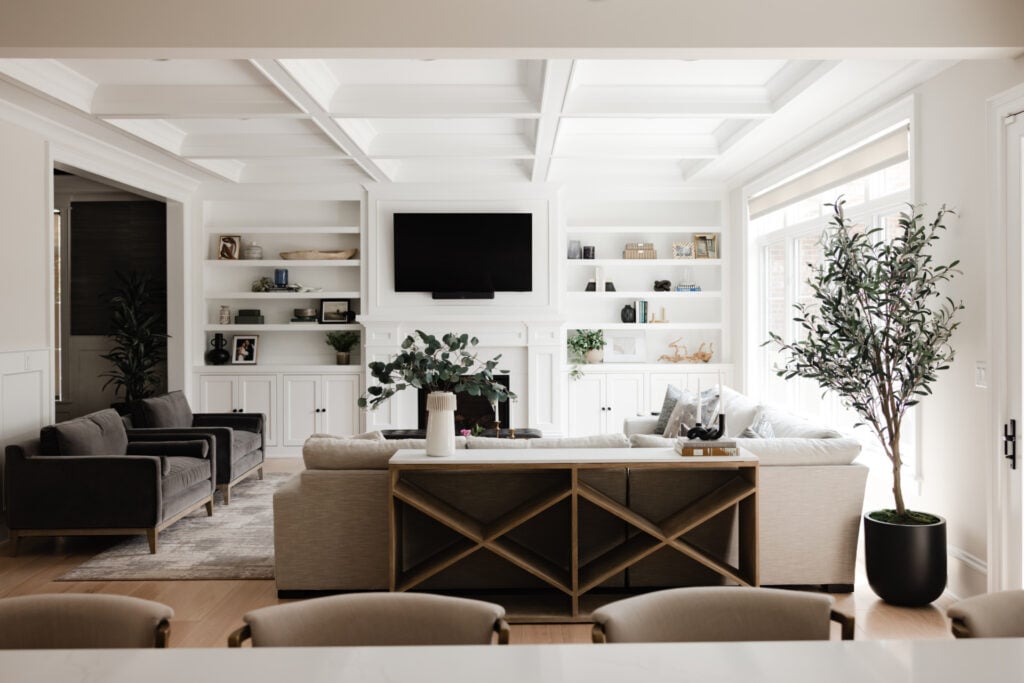
The usual advice for a living room that lasts is to choose timeless pieces in neutral colours and avoid anything of the moment. It produces rooms that are perfectly correct and that nobody has any feeling about, and those rooms get redone as soon as somebody has the appetite, because there was never anything in them worth keeping.
Lasting is a different goal. It means the room still works in ten years: the seating is still comfortable, the layout still suits the household, and the people who live there still like being in it. Almost none of that is about avoiding trends.
Lasting and timeless are not the same thing
Worth separating, because the two lead to different decisions.
Timeless is a claim about style: that a choice will not date. In practice everything dates, including the things marketed as safe, and a room assembled entirely from defensible choices tends to feel like nobody lives there.
Lasting is a claim about function and attachment. A room lasts when the things that take daily wear were built properly, when the arrangement still matches how the household actually uses the space, and when there is enough of the people in it that they are not looking for a reason to start again.
Dara’s position on this is unambiguous: use what you love, because life is too short to live with a room chosen to be defensible. The colour you are drawn to is a better basis for a long relationship with a room than a neutral you selected because it was unobjectionable.
Durability where it is hard to change
The organising principle, and it makes most of the decisions for you.
Think of the room in three layers. The permanent layer is what would be disruptive or wasteful to replace: the sofa frame, the seat construction, the rug, the window treatment, the layout itself and anything built in. The semi-permanent layer is what can be changed with effort but not upheaval: upholstery fabric, chairs, lamps, the paint. The changeable layer is cushions, throws, art placement, objects, and everything that constitutes styling.
Spend the care on the first layer and be free in the third. A well-built sofa frame in a shape you like can be reupholstered twice and outlive several schemes. A cushion you tire of is a small matter.
Where this most often goes wrong is the reverse: a modest sofa bought quickly and then a great deal of effort and expenditure applied to accessories around it. The room never quite comes right, because the thing carrying it was the compromise.
What actually wears out
The honest inventory, because it is rarely what people expect.
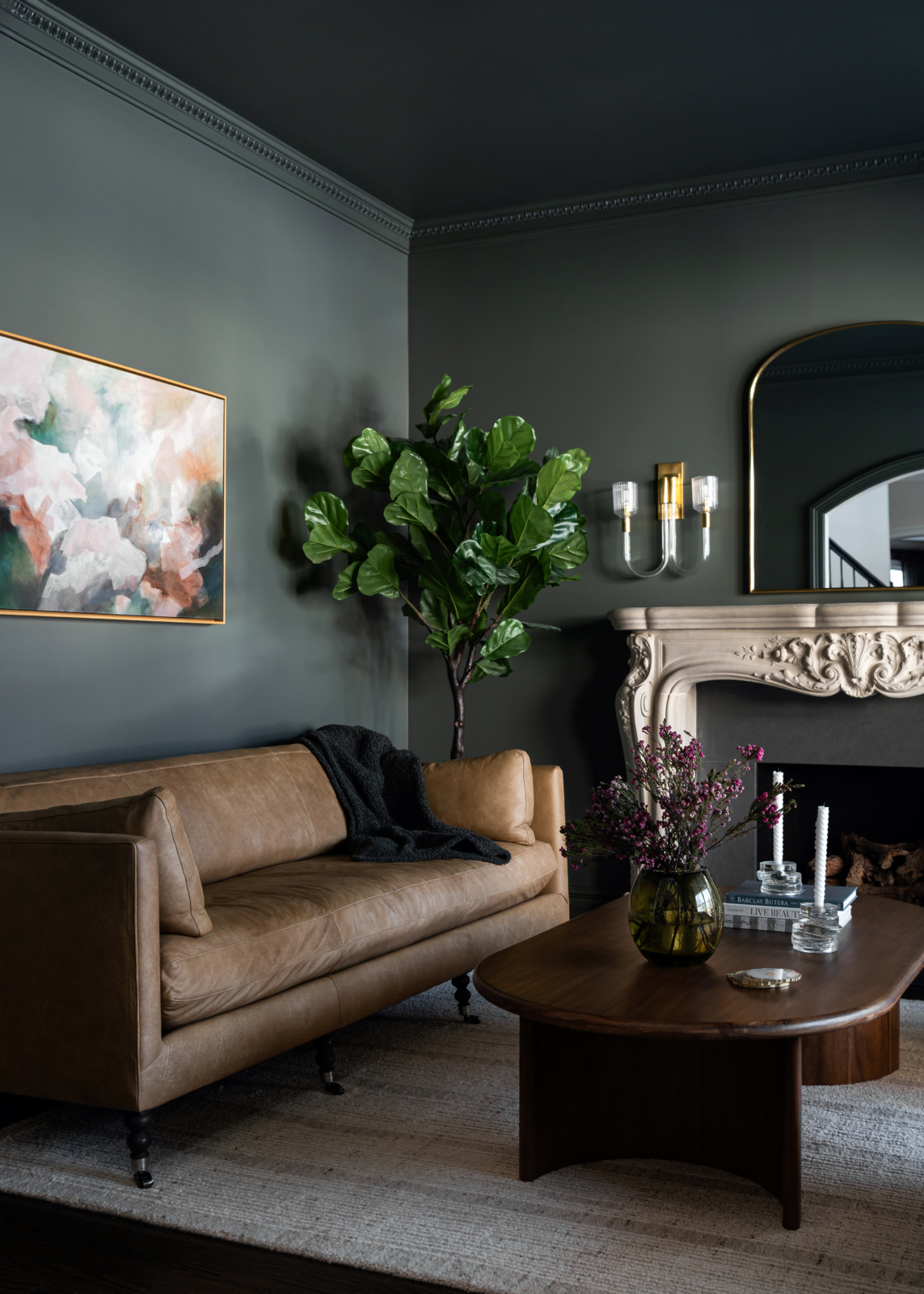
Seat fill is first and by a distance. A sofa that has become uncomfortable at three years has almost always failed in the cushion, not in the frame or the fabric, and it is the reason a sofa can look acceptable and feel finished at the same time. Fill specification is the least glamorous decision in the room and the one you notice daily.
Frames are next, and they fail at the joints. A frame that is jointed and glued rather than stapled together is the difference between a piece that can be recovered later and one that goes out when the fabric does.
Fabric is third, and it usually survives longer than people assume, though it is the part that shows. Rugs wear at the traffic line rather than evenly. Timber finishes mark. And paint, which everybody treats as permanent, is the easiest thing in the room to change and the one worth being least cautious about.
Where longevity is actually bought
What determines how long each element lasts, and whether it is worth committing to.
| Element | What determines its life | Commit or keep flexible |
|---|---|---|
| Sofa frame | Jointed and glued hardwood rather than stapled softwood | Commit. It outlives everything else and can be recovered |
| Seat fill | The specification, not the price bracket. It is the first thing to go | Commit, and ask what is actually inside before ordering |
| Upholstery fabric | Rub count, fibre and whether it is a household with animals | Semi-permanent. Choose well, but it can be redone |
| Rug | Fibre and construction. Wear concentrates on the traffic line | Commit if it is sized correctly for the room |
| Window treatment | Lining, hardware and whether it takes direct sun | Commit. Made to measure is difficult to redo casually |
| Case goods | Solid timber and real joinery rather than applied surfaces | Commit to a few, and let the rest be replaceable |
| Lamps and light fittings | Mostly taste rather than wear | Keep flexible. This is where a room can be updated easily |
| Cushions, throws, objects | Nothing. They are meant to change | Fully flexible, and the reason the room feels current |
| Paint | Nothing much. The easiest change in the room | Be bold here. It is the least binding decision you will make |
The pattern is that the permanent things are structural and mostly invisible, and the visible things are mostly changeable. That is the opposite of how the decisions usually get made.
Layout is what keeps a room usable
The most overlooked component of longevity, because it is not a purchase.
Rooms are rarely abandoned because something wore out. They are abandoned because they stopped suiting the household. A conversation arrangement that made sense before there were children. Seating that faces a fireplace in a house where everyone watches television. A single large sofa in a home that now hosts more people than it seats.
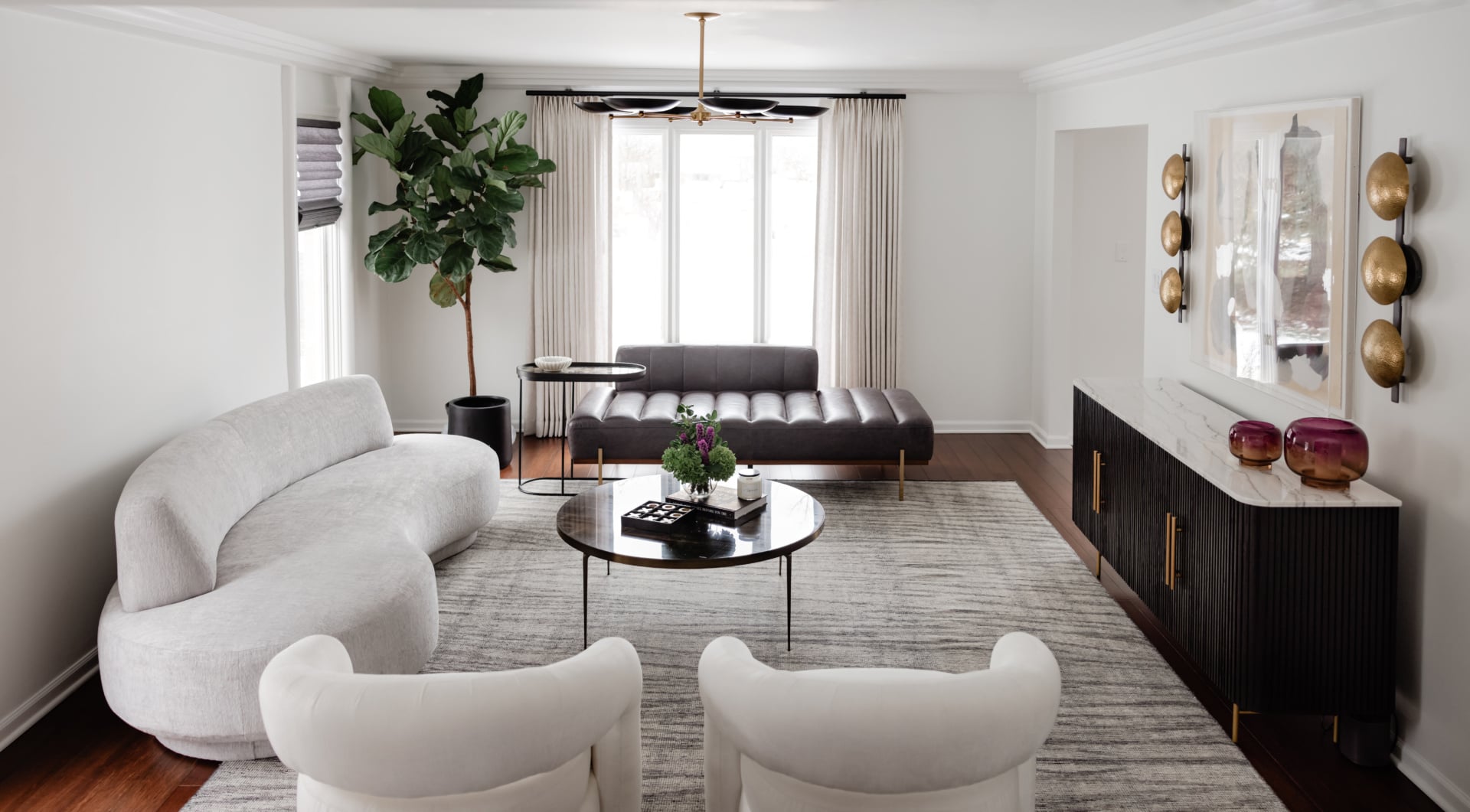
A layout that lasts leaves room to change: seating that can be regrouped, a pair of chairs rather than a fixed suite, a table that can move, circulation that still works when the furniture is rearranged. Built-in seating and sectionals sized exactly to one wall are the least adaptable choices, and they date faster than any fabric.
It is worth asking what the household will look like in five years before fixing the arrangement, because that is the thing that most reliably determines whether a room is still working then.
Chicago conditions the room has to survive
Four local factors that shorten the life of a living room here.
Winter light is low and grey for months, and a scheme chosen in June can be bleak in February. It is worth seeing samples in the room in poor light before committing, because a colour that looked restrained in summer can read as flat and cold across a long winter.
Radiators and forced air both dry a room considerably, which is hard on timber and on natural fibres. Solid timber furniture will move, and it is a reason to prefer proper joinery over glued surfaces.
West-facing rooms take strong afternoon sun that fades textiles and timber unevenly, and it is worth knowing which wall is affected before placing the piece you care most about.
And the entry. In a climate with salt and grit for a third of the year, whatever happens at the front door reaches the living room, which is an argument for a serious rug at the threshold and for a floor finish that tolerates it.
The styled layer is meant to change
And it is what makes the difference between furnished and finished.
A room is not finished until it is styled. Furniture arranged correctly in a well-proportioned room can still feel like a showroom, and what resolves it is the layer on top: the objects on the shelves, the books actually being read, the stack of things on the table, the lamp left on, the arrangement that is slightly asymmetric because someone moved it.
Because that layer is the simplest to revise, it is where a room can be brought up to date without touching anything structural. A living room whose permanent layer was well chosen can be given an entirely different feeling with paint, cushions and a change of art, and that is the practical answer to how a room stays current over a decade.
It is also the layer people leave out, and the reason a room that ought to work still feels unresolved.
Objects that carry something
The part that no scheme can supply, and the reason some rooms are impossible to imitate.
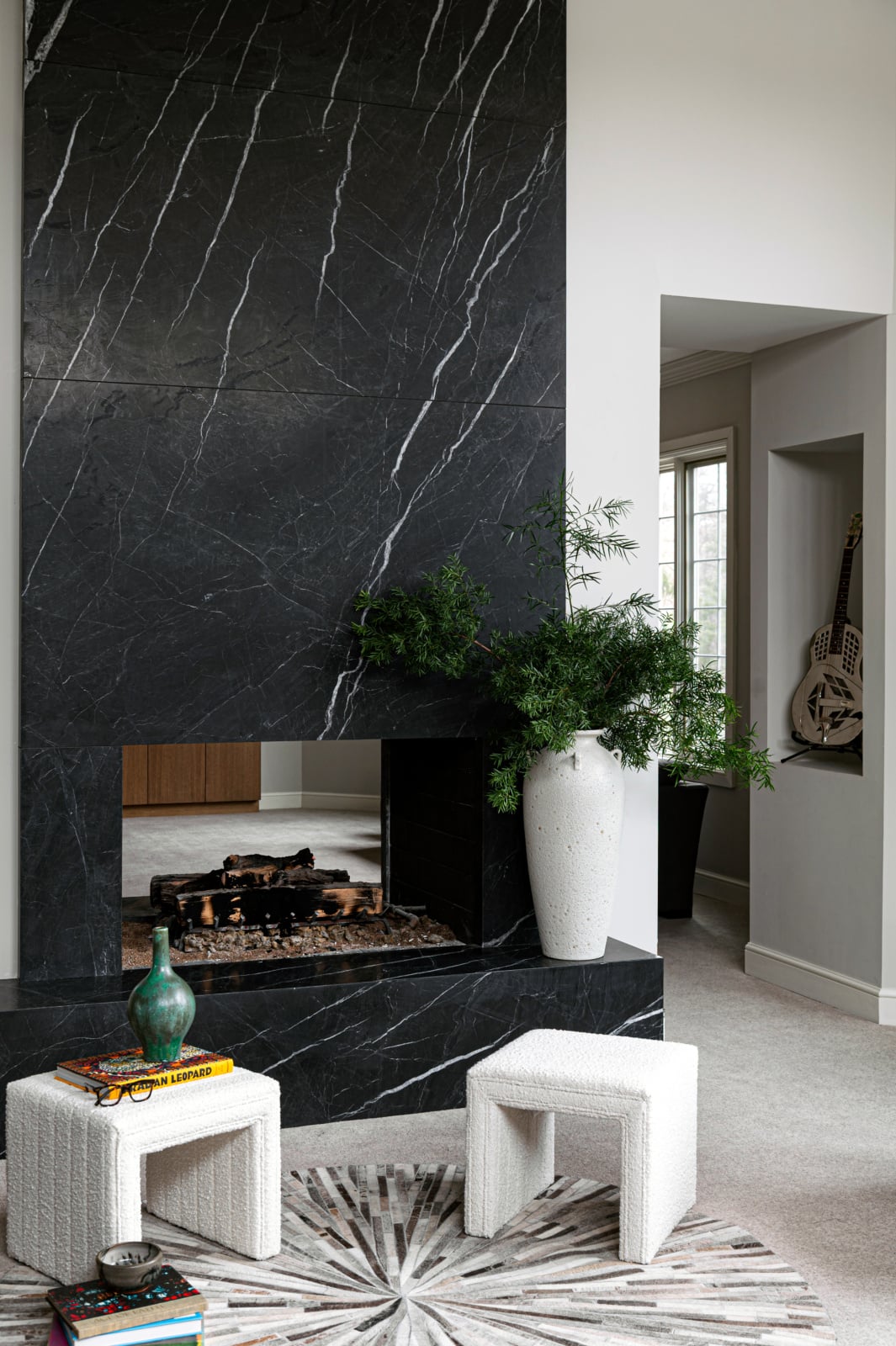
The rooms that people keep for decades are usually full of things with a history: a piece brought back from somewhere, something inherited, an object bought at a point that mattered. They are rarely the most valuable things in the room and they are almost always the reason the room feels like it belongs to somebody.
Accessories bought as a set to fill shelves do the opposite. They read as filler, and filler is the first thing anyone gets bored of, which is why a shelf styled entirely from one shop is usually restyled within a year.
Where a household does not yet have those things, the honest approach is to leave room for them rather than to buy substitutes. A shelf with space on it is not unfinished, it is waiting, and what eventually arrives will be better than what would have been bought to fill it.
What we would spend the most attention on
If a single decision decides whether a living room lasts, it is the seating.
It is what the room is for, it is what takes every day of use, and it is the piece whose failure is most obvious. Dara is consistent on this: upholstery is the thing to spend more on than instinct suggests, because a sofa that has gone lumpy after three years was not a good decision whatever it seemed at the time.
The rest of the room can be adjusted, repainted, restyled and rearranged around good seating. Very little can be done around bad seating except to replace it, which is the outcome the whole exercise was meant to avoid.
Working through it with us
Most of what makes a living room last is decided before anything is ordered, in the layout and in the specification of the pieces that take the wear. You can see how we work on our design process page, look through recent projects, or get in touch about your own home.
Related reading: how long a sofa lasts, choosing sofa cushion fill, why custom furniture, why furniture scale matters and what sets apart a curated living room. We work across Chicago, Naperville and Hinsdale.
Frequently asked questions
How do I furnish a living room that lasts?
Put durability where change is expensive and personality where it is easy. Frames, seat fill, the rug, the window treatment and the layout are the permanent layer and worth real care. Cushions, art placement, objects and paint are meant to change, and they are how a room stays current.
Is a timeless living room the same as one that lasts?
No, and aiming at timeless is usually counterproductive. Everything dates, including the safe choices, and a room assembled entirely from defensible decisions tends to feel like nobody lives there. Rooms last when they still work and the people in them still like being there.
What wears out first in a living room?
Seat fill, by a distance. A sofa that has become uncomfortable at three years has almost always failed in the cushion rather than the frame or the fabric, which is why a sofa can look acceptable and feel finished at the same time.
What should I ask about before ordering a sofa?
How the frame is constructed, whether it is jointed and glued hardwood rather than stapled, and what is actually inside the seat cushions. Those two answers determine whether the piece can be recovered in a decade or has to be replaced when the fabric goes.
Why do living rooms get redone even when nothing is broken?
Because the layout stopped suiting the household rather than because anything wore out. An arrangement that made sense before there were children, or seating that faces a fireplace in a house where everyone watches television, is the usual reason.
What is the most flexible thing in the room?
Paint, which almost everybody treats as a permanent decision and which is the easiest change in the room. It is the place to be least cautious, and the fastest way to give a well-built room an entirely different feeling.
How do I make a room feel finished rather than furnished?
The styled layer. Objects on the shelves, books being read, a lamp left on, an arrangement that is slightly asymmetric. Correct furniture in a well-proportioned room can still read as a showroom, and this is what resolves it.
What if I do not have meaningful objects yet?
Leave the space rather than buying substitutes. Accessories bought as a set to fill shelves read as filler and are the first thing anyone tires of. A shelf with room on it is waiting, not unfinished, and what arrives eventually will be better.