
Last updated August 27, 2026
Key Takeaways
- Investment furniture means pieces worth buying well because they last, not pieces bought in the hope they hold their value.
- Upholstery is the first place to spend more. It takes the most use and shows poor construction fastest.
- The pieces worth buying well are the ones you touch daily and the ones that are hard to replace later. The rest can wait.
- Buy fewer, better things over time rather than furnishing a whole house at once at a level you are not happy with.
- Do not design for resale. A hypothetical future buyer should not get a vote on rooms you have to live in.
- Quality shows in the parts you cannot see: frames, joints, suspension and how a drawer is made.
The furniture worth buying well is the furniture you use hardest and touch most: seating first, then the dining table, then anything built in. These are the pieces where good construction is felt daily and where poor construction fails soonest. Occasional pieces, side tables, decorative items and anything you are not certain about can wait, be inherited, or be gathered slowly without harming the room.
Investment here means something that lasts rather than something that appreciates. Furniture is not an asset class, and buying it as though it were leads to rooms that feel like showrooms.
What investment actually means here
Worth defining, because the phrase gets used two very different ways.
The unhelpful meaning is financial: buy pieces that hold their value, so that reselling them later recovers something. Outside a small market for genuine antiques and a handful of collectible designs, this does not happen. Most furniture, however well made, is worth a fraction of its cost the moment it leaves the shop.
The useful meaning is the everyday one. You get what you pay for. Low-grade materials and fast construction are exactly why a sofa looks lumpy three years after it arrived. Invest in quality items and not only will they last longer, you will probably spend less over time, because you are not replacing them every few years.
That is a genuine argument and it needs no resale market to be true. It is also the only version of the idea we work to.
Where the money should go first
Not everything deserves the same treatment, and knowing the order matters more than any individual decision.
Upholstery comes first. It is the number one thing worth spending more on, because it takes the most punishment, it is what your body is in contact with, and it is where poor construction becomes obvious fastest. A sofa is used every evening for years, and the difference between a well-built frame and a stapled one shows up as a room that feels tired.
Then the dining table, because it is used daily, it is usually the largest single object in the room, and a solid timber top improves with age while a veneered one chips and cannot be repaired.
Then anything built in. Joinery is drawn for your specific room, cannot be taken with you, and is disruptive to replace, so it is the wrong place to compromise.
After that the urgency drops sharply. Side tables, lamps, mirrors, occasional chairs and decorative pieces can be acquired slowly.
Where quality shows
The differences that matter are mostly invisible in a showroom, which is why the questions are more useful than the appearance.
| Piece | What to buy well | What to ask | Where you can wait |
|---|---|---|---|
| Sofas and armchairs The first priority in any house. |
Kiln-dried hardwood frame, jointed and corner-blocked, with proper suspension | Frame material, joint method, suspension type, foam density | Nothing. This is the piece to get right |
| Dining table Used daily, and the largest thing in the room. |
Solid timber top rather than veneer, so it can be refinished | Is the top solid, and how is the base joined | The chairs, which can be added or changed later |
| Built-in joinery Drawn for your room and hard to replace. |
Proper carcass construction and drawer boxes, not stapled boxes | How the drawers are made and what the carcass is | Nothing, if you are building it at all |
| Beds Long life, low visibility. |
A solid frame that does not creak, and a good headboard | Frame construction and whether the headboard is upholstered properly | The frame can be simple. Spend on the mattress |
| Rugs Takes heavy wear underfoot. |
Wool over synthetic, hand-knotted if the budget reaches | Fibre, construction, and whether it can be professionally cleaned | Can be acquired over time, one room at a time |
| Side tables, lamps, mirrors Decorative and easily changed. |
Very little needs to be exceptional here | Only whether the scale is right | All of it. These are the pieces to collect slowly |
The pattern is consistent: buy well what you sit on, eat at, or cannot easily replace. Everything else can be gathered over years.
Buy fewer, better, over time
The instinct when moving into a house is to furnish it completely and immediately. It is usually the wrong approach for reasons that are practical rather than moral.
Furnishing everything at once forces every decision to be made at the same level, which in practice means everything is bought at whatever standard the whole house allows rather than what each piece deserves. The seating that should have been excellent is merely adequate, because it was bought alongside eleven other things.
It also means every decision is made before you have lived in the rooms. Where the light falls, which chair everyone actually uses, whether that corner is a reading spot or a walkway: these are things you learn by occupying a house, and they change what you would choose.
Getting the seating, the table and the joinery right and letting the rest arrive over a few years produces a better house. It also produces a more personal one, because the pieces are gathered rather than ordered.
Do not design for resale
This is where the original framing of this topic goes most wrong, and it is worth stating plainly.
Designing a home around what a future buyer might want means handing a hypothetical stranger a vote on rooms you have to live in now. Unless you are genuinely selling within a year or two, that stranger does not exist yet and their taste is unknowable.
What it produces is predictable: everything neutral, nothing committed, no colour anywhere it might be objected to. That is not a safe house, it is an anonymous one, and anonymity is the actual failure in most expensive homes. A home should tell your story and say who you are. If it looks like it was ordered whole from a page in a catalogue, the design has fallen flat regardless of what anything cost.
Use what you love. Life is too short, and you should love your home.
Timeless is not the goal either
The companion mistake, and equally worth resisting.
Nothing is ever completely timeless. There is always some element of a piece that shows when it was chosen, in the same way that clothes do. Styles come and go, and when they return something is always different from the previous version. Marble is described as timeless, and the way marble is used is what dates rather than the stone itself.
Try to make everything in a home timeless and everything ends up neutral, and boring. Buying quality is worth doing. Buying quality in a shape chosen to be inoffensive is how people end up with expensive rooms they are not attached to.
How to judge a piece you cannot take apart
Four checks that need no expertise and tell you more than any description.
Lift one front corner of a sofa or chair about six inches. On a rigid frame the opposite leg comes up with it. If the frame twists, the joints are weak.
Open and close a drawer fully. It should run smoothly and stop cleanly. Look at the corner of the drawer box: dovetailed or properly jointed is a good sign, stapled butt joints are not.
Run a hand along the underside of a table top and along the back of a case piece. Finished surfaces where nobody looks tell you how the rest was made.
Listen. New furniture should be silent. Any creak at all in a piece nobody has yet owned means something is already moving.
Where good pieces come from
The sources differ from retail in ways worth understanding.
Trade-only showrooms and workrooms are not accessible to the public and hold lines that do not appear in retail at all. Much of what makes a room feel unlike anywhere else comes from there, and it is a large part of what a designer brings.
Custom workrooms make to your dimensions, in your fabric, for your room. For upholstery and joinery this often produces a better result than anything available ready-made, particularly in older houses where nothing is standard.
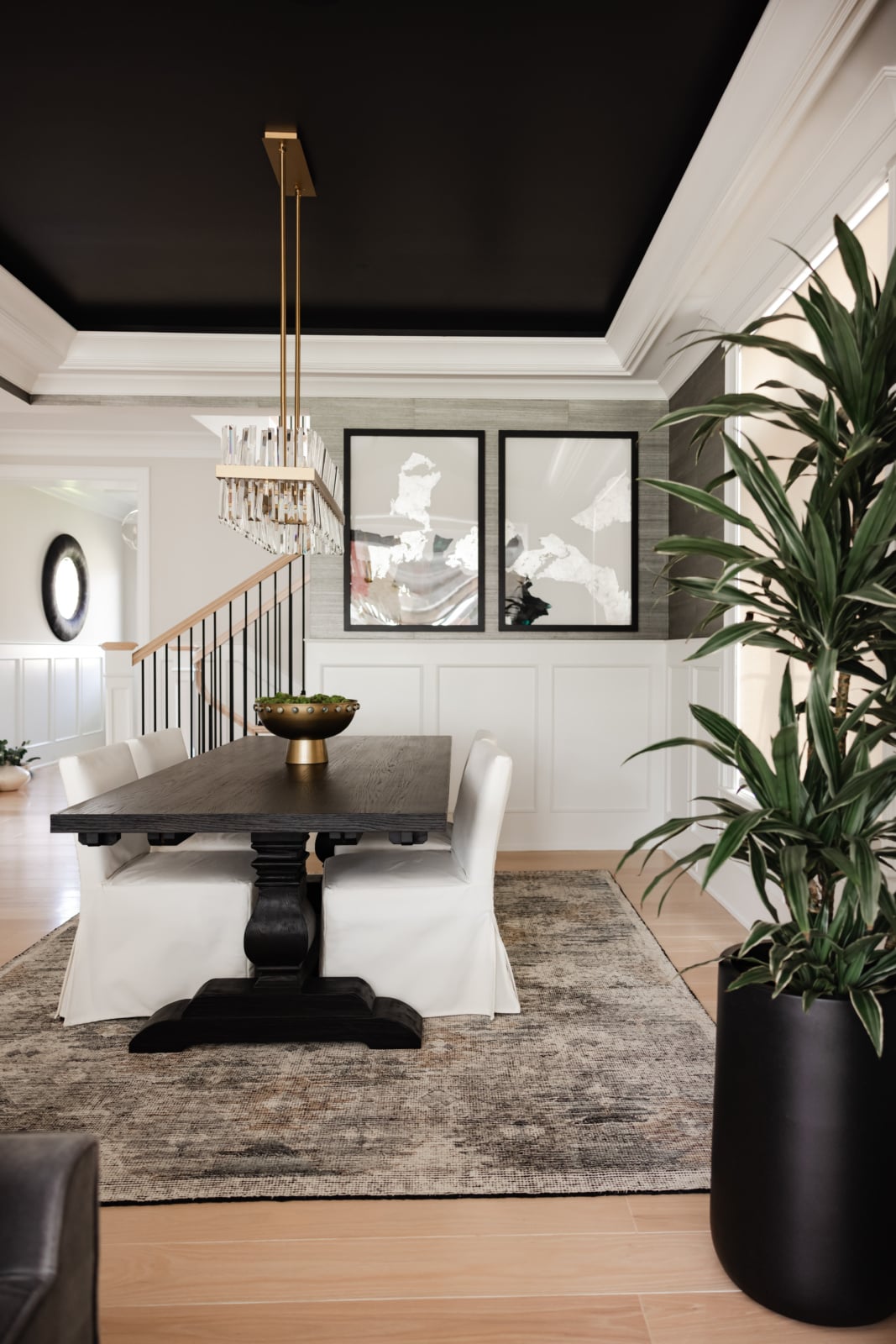
Antique and vintage pieces are the one place where genuinely old construction is available, and frames built to be reupholstered are usually better than comparable new ones. They also supply the age and character a new house cannot manufacture.
Looking after what you bought
The lifespan of good furniture depends on a few unglamorous habits.
Keep upholstery and timber out of direct sun where you can. Ultraviolet light fades dye and breaks down fibre regardless of how well a piece was made, and a sofa in front of a south-facing window will show it within a few years. Lined curtains or a blind are a genuine preservation measure.
Rotate and turn seat cushions so the wear is shared rather than concentrated in the one seat everybody uses. Refill cushions when plumping stops reviving them, which on a sound frame is routine rather than a sign the piece is finished.
Have upholstery cleaned properly rather than treated at home with whatever is under the sink, and have timber waxed or oiled as the finish requires. None of this is demanding, and it is the difference between fifteen years and twenty-five.
Chicago houses specifically
Two local factors change what is worth buying well.
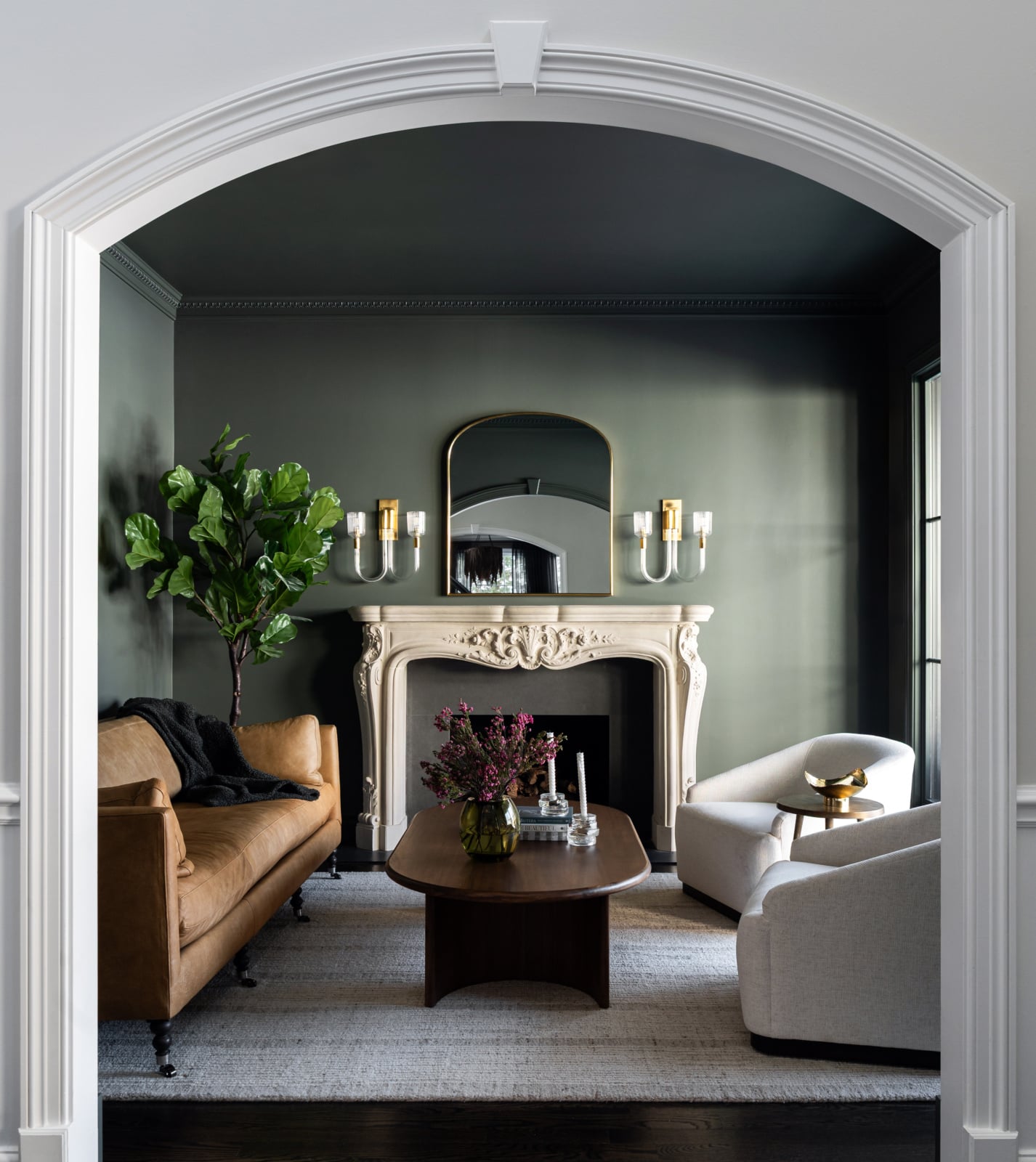
Older city housing is rarely square. Greystones, two-flats and vintage walk-ups have walls that are not parallel, alcoves that are not standard widths and floors that are not level. Ready-made furniture fits these rooms badly, which is why custom upholstery and made-to-measure joinery earn their place here more than in a newer house. A sofa built to the actual dimensions of an awkward room is not an indulgence, it is often the only thing that works.
The other is the winter, which is long and dry with forced-air heat. Timber moves with humidity, and a house that swings from very dry in February to humid in July is hard on joinery. Properly jointed solid timber copes. Stapled and veneered construction loosens and delaminates. Access matters too: narrow stairs and tight turns in city buildings decide what can physically be delivered, and that is worth checking before ordering anything large.
Working through it with us
Deciding what to buy well and what to leave for later is one of the most useful conversations to have at the start of a project, because it shapes everything that follows. You can see how we work on our design process page, see what is included in our services, look through recent projects, or get in touch.
Related reading: how long a sofa should last, choosing sofa cushion material, choosing a statement piece, types of wood in interior design and mixing traditional and modern furniture. We work across Chicago, Hinsdale and Oak Brook.
Frequently asked questions
What does investment furniture actually mean?
Pieces worth buying well because they last, rather than pieces bought in the hope they hold their value. Outside genuine antiques and a few collectible designs, furniture does not appreciate. The real return is that quality lasts longer, so you replace it less often.
Which furniture is worth spending more on?
Upholstery first, because it takes the most use and shows poor construction fastest. Then the dining table, which is used daily and where a solid top can be refinished while a veneer cannot. Then built-in joinery, which is drawn for your room and disruptive to replace.
Which pieces can wait?
Side tables, lamps, mirrors, occasional chairs and decorative pieces. None of these take heavy use or are difficult to change later, so there is no need to settle them at the same time as the seating. Gathering them over time produces a more personal room than furnishing everything at once.
Should I furnish the whole house at once?
Usually not. Furnishing everything simultaneously forces every decision to the same level, so the seating that should have been excellent ends up merely adequate. It also means choosing before you have learned how the rooms are actually used.
Should I choose furniture with resale value in mind?
No. Unless you are selling within a year or two, you are giving a hypothetical stranger a vote on rooms you have to live in. It produces neutral, uncommitted interiors, and anonymity is the real failure in most expensive homes.
How can I tell if furniture is well made?
Lift one front corner of a chair or sofa six inches; on a rigid frame the opposite leg lifts too. Check drawer corners for proper joints rather than staples. Feel the underside of a table top, since finished surfaces where nobody looks indicate care. And listen, because new furniture should be silent.
Is custom furniture worth it?
In older houses, often yes. Greystones and vintage walk-ups have walls that are not parallel and alcoves that are not standard, so ready-made pieces fit badly. Furniture built to the room’s actual dimensions is frequently the only thing that works properly.
How do I make good furniture last?
Keep it out of direct sunlight, which fades dye and breaks down fibre regardless of quality. Rotate and turn seat cushions so wear is shared. Refill cushions when plumping no longer revives them. Have upholstery cleaned properly rather than treated at home.