
Last updated August 27, 2026
Key Takeaways
- One per room. Two statement pieces compete for the same attention and both lose.
- Scale is what makes something a statement. An undersized bold piece is just furniture with an opinion.
- The restraint around it is what makes it land. A room full of interesting things has no focal point.
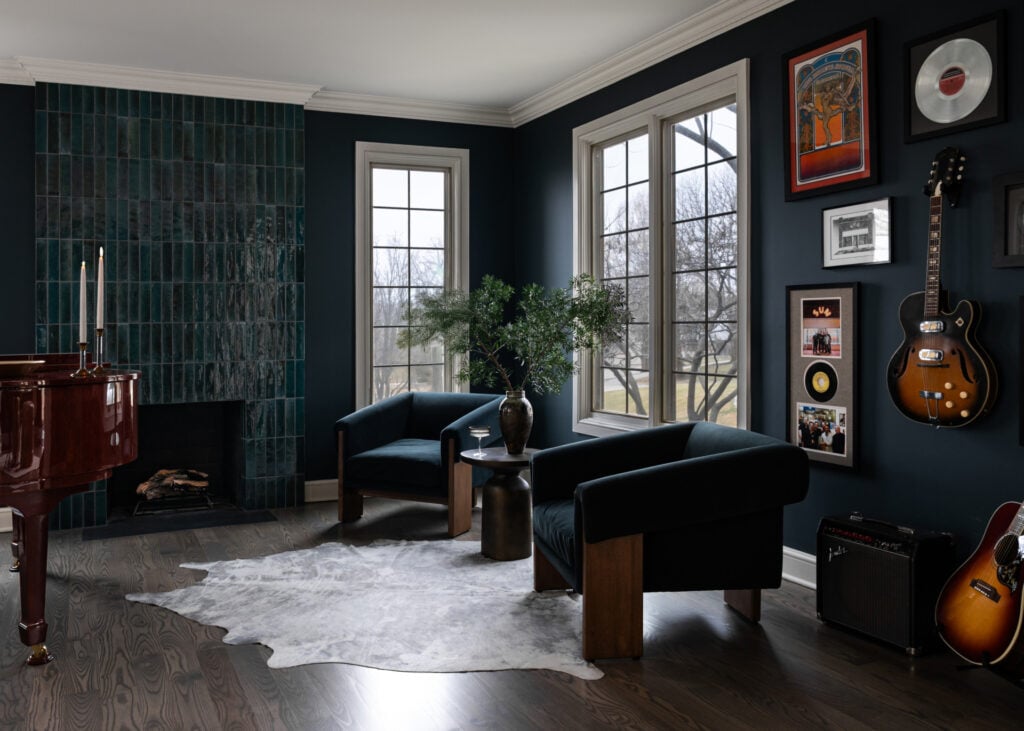
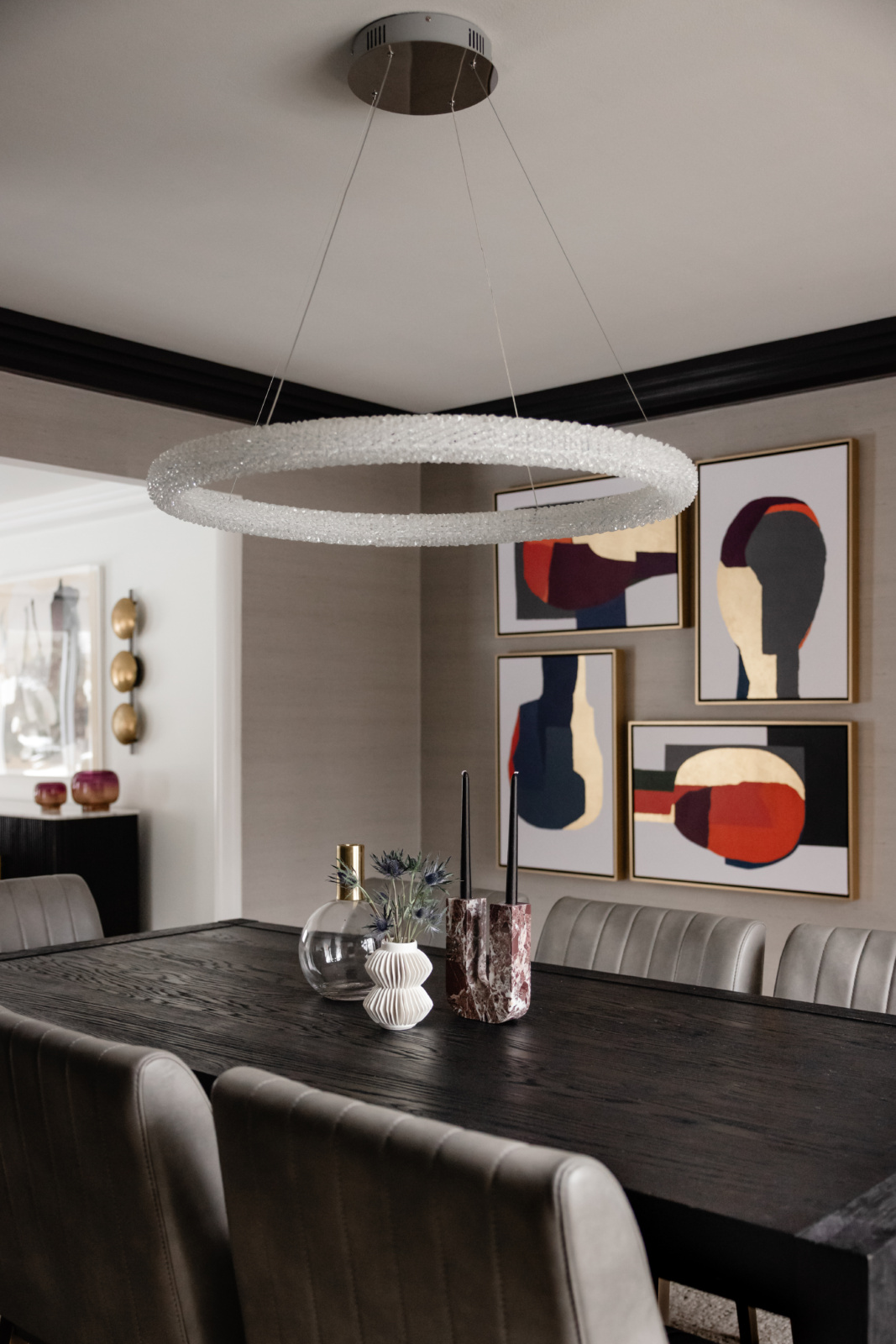
- The best statement pieces are frequently not furniture at all: art, a light fitting, an instrument, a collection.
- Put it where the eye already goes, at the end of a sightline or opposite the door.
- Do not buy one to fill a gap. If it is not something you actually want, the room will read as decorated rather than lived in.
A statement piece works when it is the only one in the room, when it is genuinely large enough to hold the space, and when everything around it is quiet enough to let it. Put two in a room and they compete for the same attention, and the room ends up with no focal point rather than two.
The other requirement is harder to specify and matters more: it should be something you actually want, rather than something bought because the room needed a feature.
One per room
The rule that does most of the work, and the one most often broken by people who have found several things they like.
A focal point functions by contrast. It is the thing your eye lands on because everything else has agreed to be quieter. Introduce a second object with equal presence and the eye has nowhere to settle: it moves between them, comparing, and neither reads as the point of the room.
This is why rooms full of interesting furniture often feel restless despite every individual piece being good. Nothing is holding still.
In a large room or an open plan space you can have more than one, provided they are in different zones and cannot be taken in at a single glance. The test is whether you can see both at once. If you can, one of them needs to go somewhere else.
Scale is the whole thing
The most common disappointment: a piece chosen for its boldness that turns out not to be a statement at all.
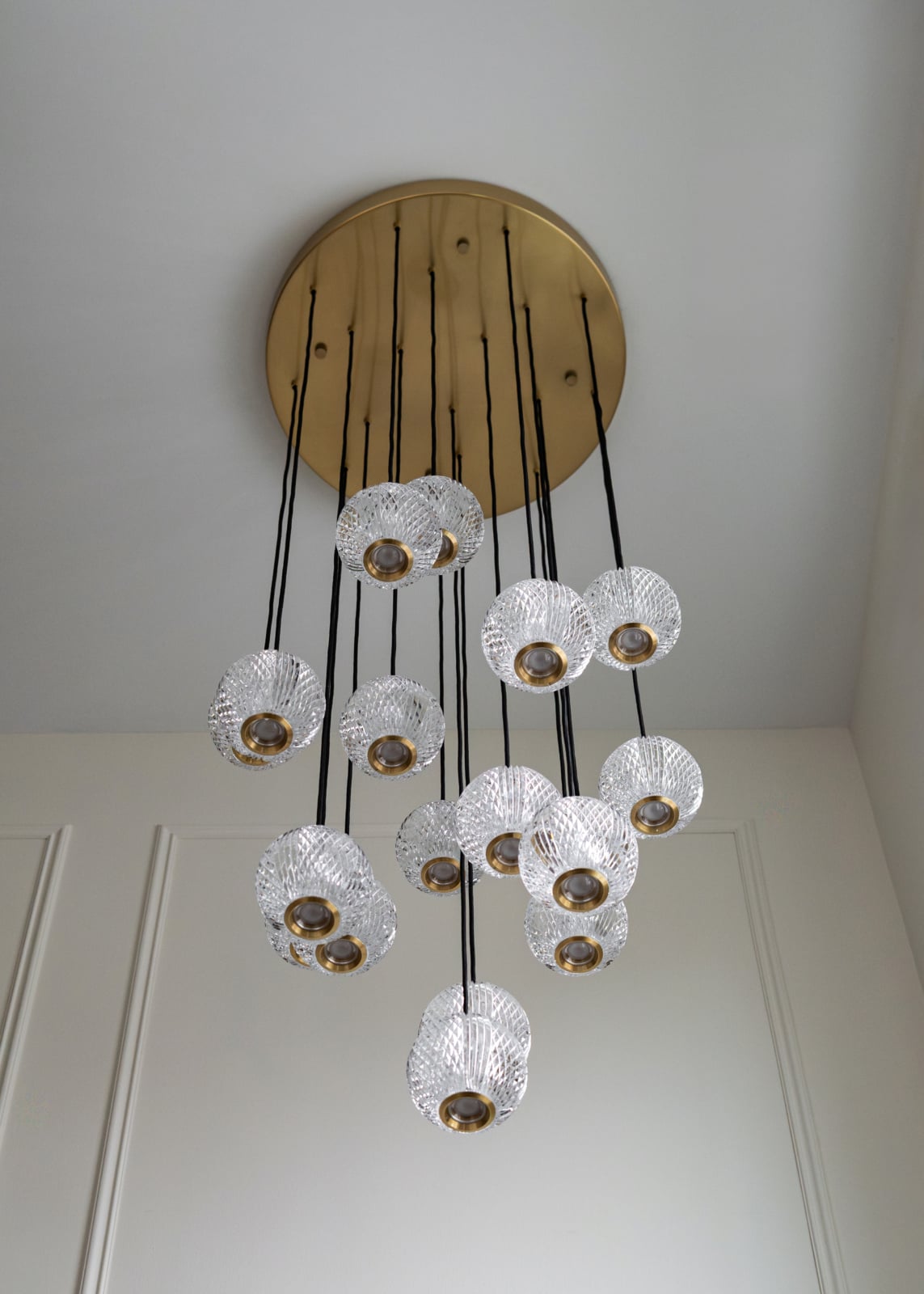
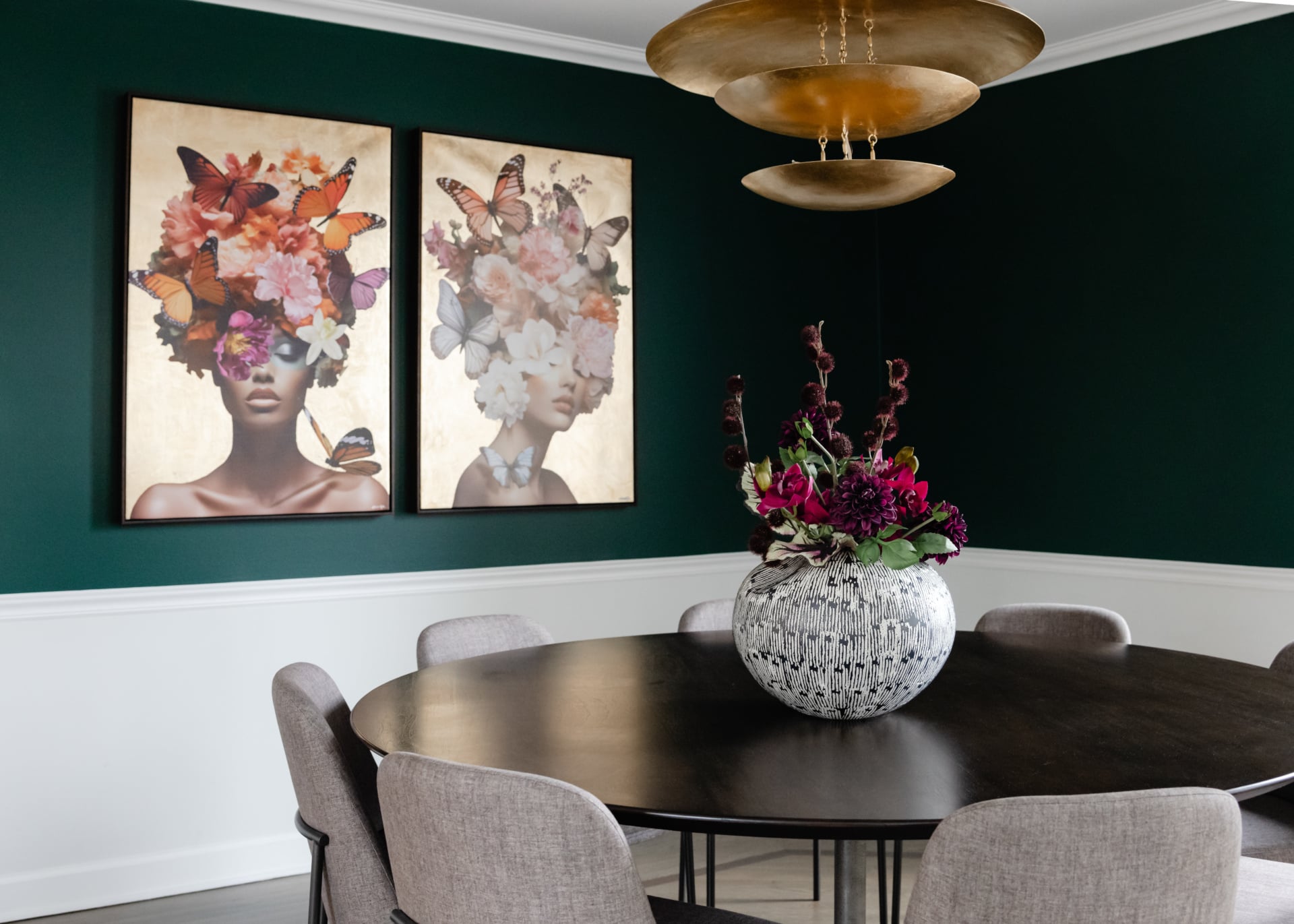
What makes an object a focal point is that it is large enough to hold the room. A dramatic chair at ordinary chair size is a chair. A striking light fitting at a conventional size is a light. The design may be interesting, but if the piece occupies the same visual space as everything else, it takes its place in the crowd.
Statement pieces are almost always larger than feels comfortable when you are choosing them. A pendant that looks oversized in a showroom is frequently correct in a room; the same fitting in a safe size will look apologetic once it is hanging.
This is the same failure that shows up throughout a house, and it is the one we name most often. Scale is what goes wrong, and in a piece meant to command attention there is no hiding it.
What actually works as a statement
The options, and what each demands of the room around it.
| Type | What it needs | Strength | Risk |
|---|---|---|---|
| Art, large and singular One substantial piece rather than a group. |
A wall with space around it and decent light | The most reliable statement available. Personal by definition | Hung too small or too high, which cancels the effect |
| Light fitting A pendant, chandelier or sculptural fixture. |
Height, and a position where it is seen | Works in rooms with no wall space to spare | Sized conventionally, so it reads as a light rather than a feature |
| An antique or inherited piece Something with real age and history. |
Space around it and good placement | Supplies character a new room cannot manufacture | Hidden in a corner because it does not match |
| A collection Books, records, ceramics, instruments. |
Joinery or shelving that presents it properly | The most personal option. Tells you who lives there | Spread thinly, so it reads as clutter rather than a collection |
| A single bold sofa Colour, shape or material. |
A quiet room and a lot of restraint elsewhere | Anchors a living room decisively | Hard to change your mind about later |
| A rug Pattern, colour or scale underfoot. |
Correct size, which is usually larger than expected | Easily reversible, so a low-risk way to commit | Undersized, which removes the effect entirely |
| Several bold pieces Everything interesting. |
Not applicable | None. This is the failure mode | The room has no focal point at all |
The first four are usually better statements than furniture, because they carry meaning as well as visual weight.
Restraint is the other half
A statement piece is only half a decision. The other half is what you agree not to do.
The room around it has to be quiet: fewer objects, calmer materials, less pattern, nothing competing for the same attention. That restraint is what makes the piece read as chosen rather than as one item among many.
This is difficult in practice, because the impulse that leads somebody to a bold piece is the same impulse that leads them to the next one. The discipline is in stopping.
Restraint does not mean bland. The surrounding room can be deeply coloured, richly textured and thoroughly considered. It just should not contain a second thing shouting.
Where to put it
Position decides whether a statement piece registers or simply exists.
The strongest position is at the end of a sightline: the wall you see from the doorway, the view down a hallway, the thing opposite the seat everybody uses. Those are the places the eye already travels to, and putting the piece there means it is doing its job without any effort from the room.
The weakest position is the wall behind you when you are sitting down, which is where large art frequently ends up because that is where the wall space is.
Give it room. A statement piece pressed between two other things is a statement nobody can hear. Space around an object is what tells you it was chosen deliberately.
It has to be yours
The requirement that separates a room with a focal point from a room that has been decorated.
The most common failure in homes that are beautiful and expensive is that they do not reflect the personality of the people living there. A home should tell your story and say who you are, and if it looks like everything was ordered from a page in a catalogue, the design falls flat regardless of how good the individual pieces are.
A statement piece is where that shows most, because it is the thing everybody looks at. Bought to fill a gap, it announces that a gap needed filling. Chosen because you wanted it, it does the opposite.
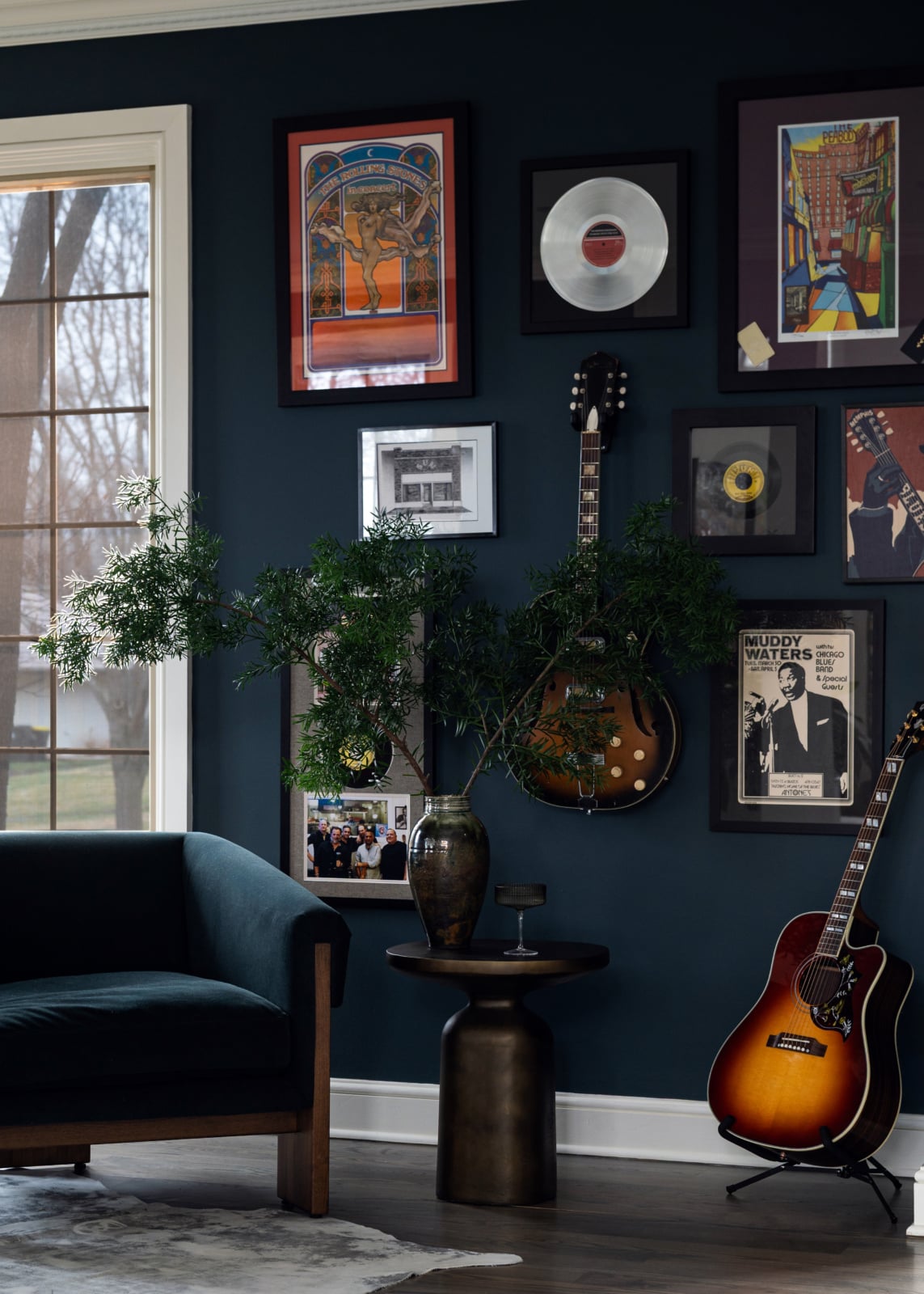
Which is why the best ones are so often not furniture. A painting somebody chose, an instrument they play, a collection built over years, a piece inherited from a family member. Objects carry biography: a coffee table book says something about someone’s interests, art says what they find beautiful, the things on a shelf say where they have been. None of that can be bought in an afternoon, and all of it reads immediately.
Use what you love. That advice applies everywhere and it applies hardest to the one object the whole room is arranged around.
If you do not have one yet
A practical note, because the honest answer is sometimes to wait.
A room without a statement piece is not a failed room. It is a room with a space reserved. Leaving a wall clear or a corner empty for something you have not found yet is a legitimate decision, and a much better one than filling it with something adequate that you will want to replace.
Statement pieces tend to be found rather than shopped for. Something turns up at an auction, in a gallery, on a trip, and it is obvious. That is not a process you can schedule, and designing a room to accommodate a future arrival is straightforward if you plan for it.
In the meantime, the room can be finished in every other respect. It will read as calm rather than as unfinished.
Chicago rooms specifically
Local housing stock changes what the statement should be.
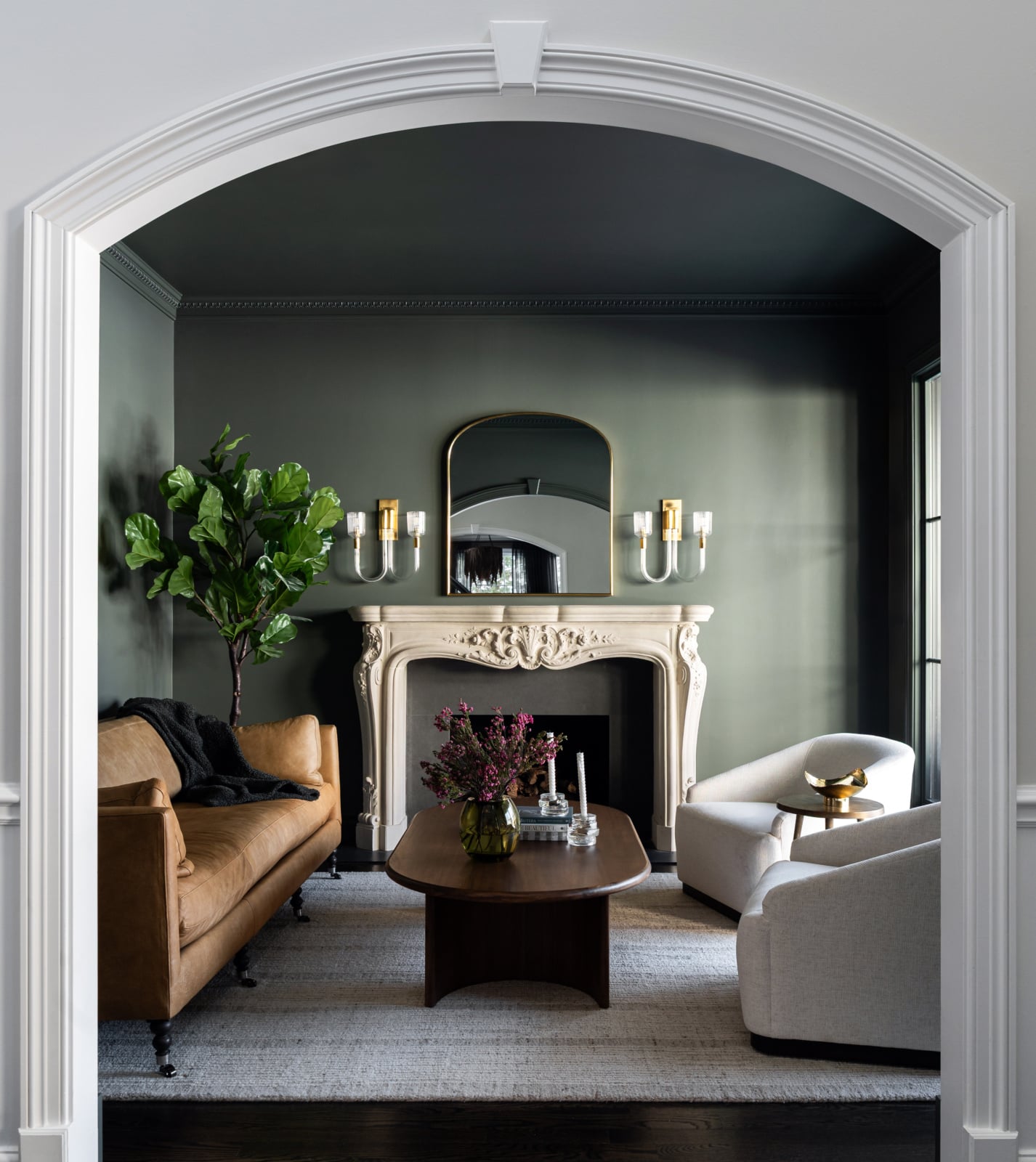
City greystones, two-flats and vintage walk-ups frequently have the statement built in already: a carved mantel, an original staircase, leaded glass, deep mouldings. In those rooms adding a large bold object often produces the two-statement problem, and the better move is to let the architecture be the focal point and keep the furniture supportive. Restoring the original feature usually beats introducing a new one.
Newer suburban houses have the opposite condition. Large rooms with high ceilings and little architectural character, where nothing is competing and nothing is holding the room either. These are the houses that most need a statement piece, and they need a bigger one than people expect, because a large plain room absorbs anything modestly sized without registering it.
Working through it with us
The useful conversation about a statement piece is usually about everything else in the room, because the restraint is what makes it work. You can see how we work on our design process page, look through recent projects, or get in touch about your own home.
Related reading: filling a blank wall, what sets apart a designer living room, mixing traditional and modern furniture, high contrast rooms and identifying your design style. We work across Chicago, Hinsdale and Elmhurst.
Frequently asked questions
How many statement pieces should a room have?
One. A focal point works by contrast, so a second object with equal presence means the eye moves between them and neither reads as the point of the room. In a large or open plan space you can have more than one, provided you cannot see both at a single glance.
What makes something a statement piece?
Scale, mostly. A piece has to be large enough to hold the room, and statement pieces are almost always bigger than feels comfortable when choosing them. A dramatic chair at ordinary chair size is just a chair, however interesting the design.
Does a statement piece have to be furniture?
No, and the best ones frequently are not. A large piece of art, a sculptural light fitting, an antique, an instrument or a properly presented collection all work, and they carry meaning as well as visual weight, which furniture usually does not.
Where should a statement piece go?
At the end of a sightline: the wall you see from the doorway, the view down a hall, the thing opposite the seat everybody uses. Those are where the eye already travels. The weakest position is the wall behind you when seated, which is where large art often ends up by default.
Why does my room feel restless even though I like everything in it?
Usually because several pieces have equal presence and nothing is holding still. A focal point needs the room around it to be quieter, so the discipline is in stopping after the first bold decision rather than adding a second.
Can a rug be a statement piece?
Yes, and it is one of the lower-risk options because it is straightforward to change your mind about later. The condition is size: an undersized rug removes the effect entirely, so it needs to be large enough for the seating to sit on it.
What if I cannot find the right statement piece?
Leave the space for it. A wall kept clear for something you have not found yet is a legitimate decision and a better one than filling it with something adequate. Statement pieces tend to be found rather than shopped for, and a room finished in every other respect reads as calm rather than unfinished.
Does an older house still need a statement piece?
Often not, because it already has one. A carved mantel, an original staircase or deep original mouldings are focal points in their own right, and adding a large bold object creates two competing statements. Restoring the existing feature usually beats introducing a new one.