
Last updated August 27, 2026
Key Takeaways
- Personalization is a correction rather than a trend. It follows two decades of interiors that could have belonged to anybody.
- The test is simple: could this room be somebody else’s? If yes, it has not been personalised whatever was spent on it.
- Objects with provenance do the work. Things bought to fill a shelf do not, and the difference is visible immediately.
- Plan around how the household actually lives rather than around a photograph. Kids, pets and allergies change real decisions.
- Colour returning is part of the same shift. Committing to a colour is a statement about the people, not just the room.
- Much of what is marketed as personalization is choosing between manufacturer options, which is not the same thing.
The move toward more personal interiors is better understood as a correction than a trend. After roughly two decades of grey, white and open plan, a great many homes ended up looking interchangeable, and what is happening now is people wanting rooms that could only be theirs.
In practice that shows up in four ways: objects with real provenance replacing decorative filler, plans built around how a household actually lives, colour returning after a long absence, and collections being displayed rather than stored away.
What the correction is correcting
Worth being specific about what came before, because it explains the direction of travel.
The dominant look of the last two decades was pale, open and neutral. Grey walls, white kitchens, one large room combining several functions, and furniture chosen to be inoffensive. It photographed well, it suited resale, and a great deal of it was genuinely well made.
It also produced homes that were extremely difficult to tell apart. The most common problem we see in houses that are beautiful and expensive is that they do not reflect the personality of the people who live in them. A home should tell your story and say who you are, and when everything looks like it was ordered from a page in a catalogue, the design falls flat regardless of what anything cost.
That is the thing being corrected. Not the colour grey, and not open plan, but the anonymity.
Objects with provenance
The most direct mechanism, and the one that separates a personalised room from a decorated one.
A room is not finished until it is styled. Accessories are what give it the feeling of being complete, and when a room feels unfinished it is very often simply lacking them. But what those objects are matters as much as whether they are there.
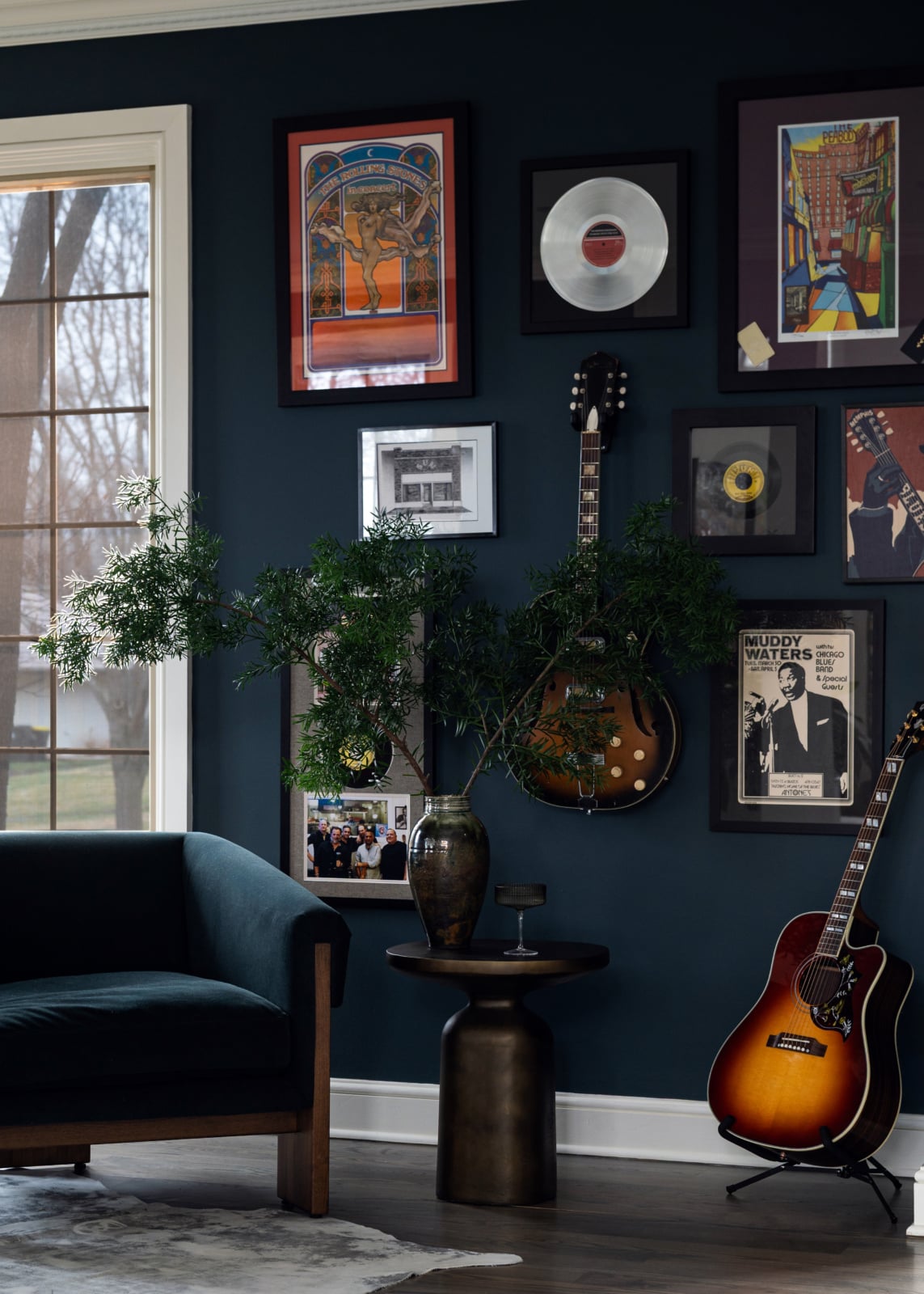
Things with a history read differently from things bought to fill a space. A coffee table book says something about someone’s interests. Their art says what they find beautiful. The objects on a shelf say where they have travelled or where they came from. That is information, and a visitor picks it up without consciously registering it.
A shelf styled with decorative items bought in one afternoon contains no information at all. It looks correct and says nothing, and in a room that is otherwise restrained the silence is audible.
This is why the shift toward personalization cannot be bought as a service. The objects have to be accumulated, and that takes time nobody can compress.
Where it actually shows up
The concrete changes, as opposed to the marketing version.
| Change | What it looks like | Why it is happening | The imitation version |
|---|---|---|---|
| Objects with provenance Collections, inherited pieces, art somebody chose. |
Rooms that identify the people in them | The clearest signal, and it cannot be bought quickly | Decorative items bought by the shelf-foot |
| Plans built around habits Rooms arranged for how the household spends its evenings. |
A study where somebody actually works, seating that faces each other | More people at home more of the time | A formal room nobody uses, kept for appearances |
| Colour returning Saturated walls, joinery in colour, dark rooms. |
Commitment rather than hedging | A reaction against two decades of grey | One accent wall in an otherwise neutral room |
| Collections displayed Books, records, ceramics given proper joinery. |
The collection becomes the feature of the room | People stopped hiding what they own | Books turned spine-inward for colour |
| Custom over catalogue Pieces made to the room and the household. |
Furniture that fits both the space and the way it is used | Standard sizes never suited older houses | Configurable options within a manufacturer’s range |
| Rooms with doors Defined spaces rather than one large volume. |
Different people doing different things at once | Open plan struggled once everyone was home | A partial divider that solves neither problem |
The right-hand column is worth reading. Most of what is sold as personalization is choosing between options somebody else drew.
Designing around a household, not a photograph
The least visible version of this and arguably the most valuable.
A well-planned home is designed around the people who live in it. That means knowing how the household actually spends its time before deciding anything: whether both rooms get used or only one, where people really sit, whether somebody works from home, whether meals happen at the table or on the sofa.
It also means the practical facts. Children, pets and allergies genuinely change what should be specified, from upholstery fabric to flooring to how storage works, and there is no point designing around an imagined family.
This is where the difference between a personalised home and a decorated one is felt daily rather than seen. A room arranged for how somebody actually lives is more comfortable in a way that is difficult to photograph and obvious to occupy.
Colour as commitment
The return of colour belongs in this conversation rather than in a trend list, because of what it signals.
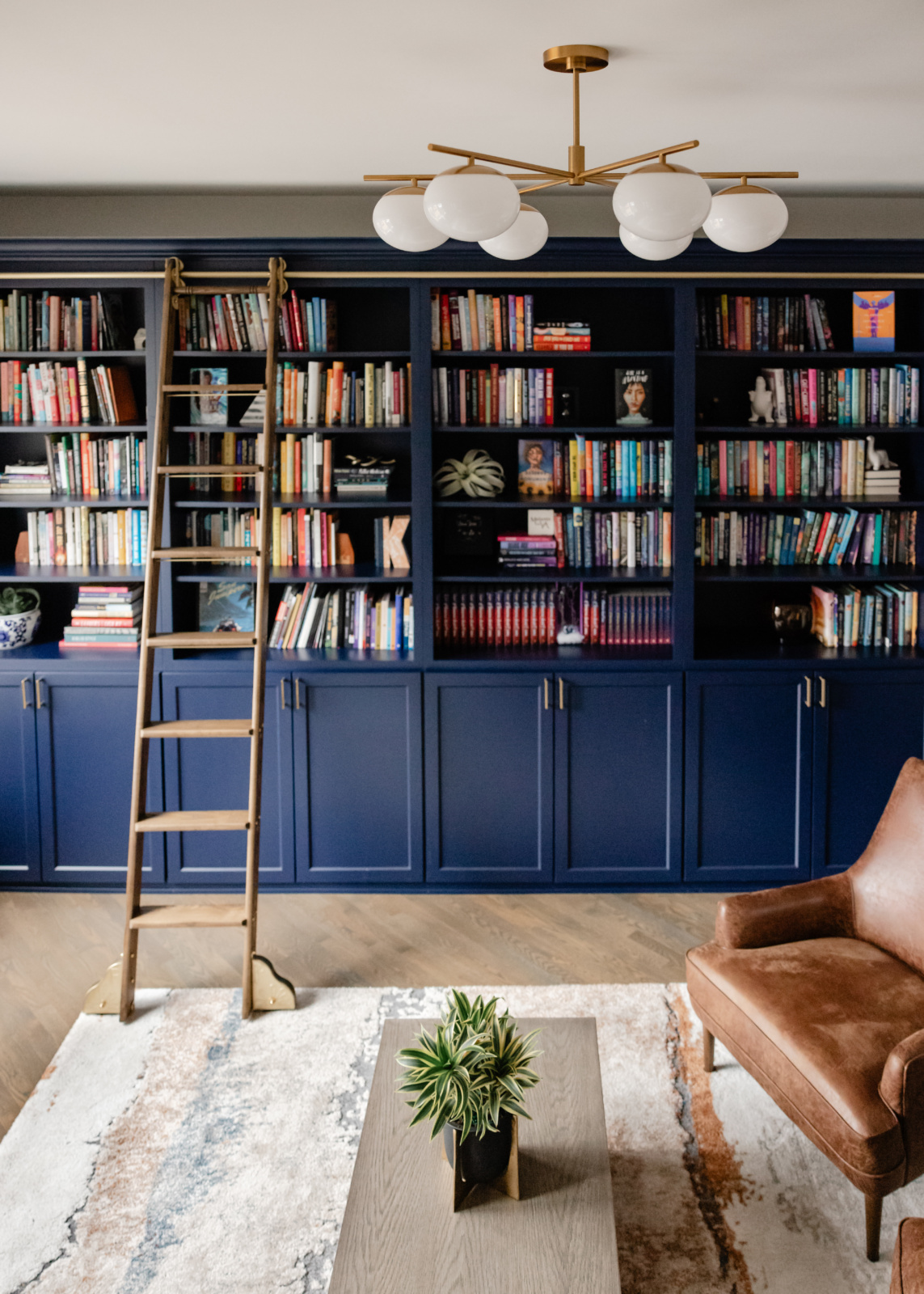
Choosing a deep green study or an oxblood dining room is a decision that cannot be hedged. It rules things out. That is precisely why it reads as personal: the room could not have been arrived at by consensus.
The neutral scheme, by contrast, is frequently chosen because nobody objects to it. Rooms selected that way tend to look like it, and the flatness people complain about afterwards is the flatness of a decision nobody actually made.
Nothing is ever completely timeless in any case. There is always some element of a choice that shows when it was made, in the same way clothes do. Marble is called timeless and the way it is used is what dates. Trying to design everything in a home to be timeless produces rooms that are neutral and, honestly, boring.
Use what you love and worry less about whether it goes out of style. Life is too short, and you should love your home.
Where the word gets misused
Worth naming, since personalization is now a marketing term as well as a description.
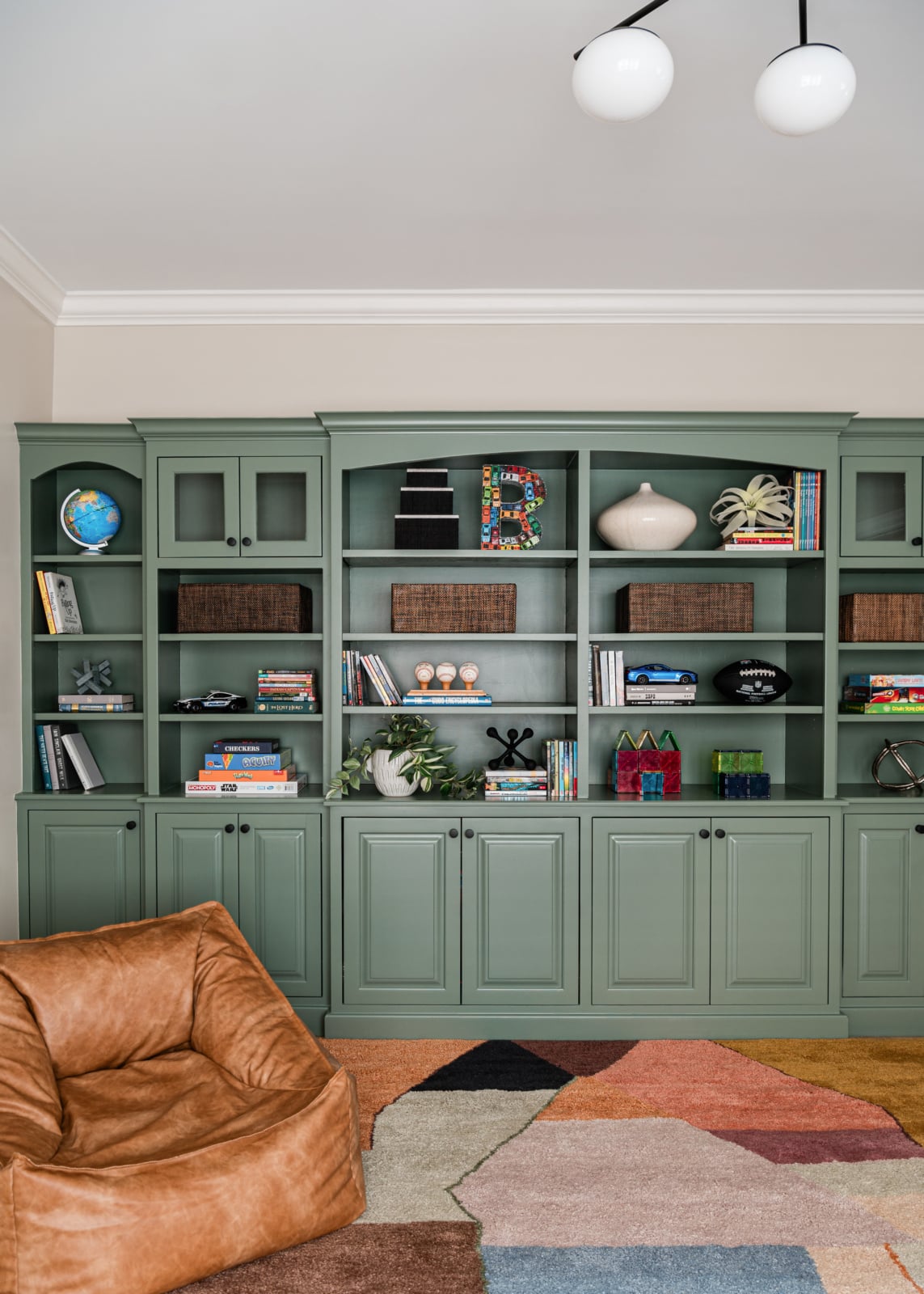
A great deal of what is sold under the label is configuration: choosing a finish from six, a fabric from twenty, a layout from four. That is customisation of a product somebody else designed, and it is a perfectly reasonable thing to buy. It is not the same as a room that reflects a person.
The distinction is whether the outcome could have been reached by somebody else. Six people choosing from the same twenty fabrics will produce six similar rooms. Six people furnishing around what they already own and love will not.
Genuine personalization tends to be unglamorous in description: keeping the chair that does not match, building shelves to fit a particular collection, planning a room around the fact that one person reads and the other watches television.
What it does not mean
Two misreadings worth heading off.
It does not mean a house full of things. Restraint and personality are compatible, and a spare room containing three objects that matter is more personal than a full one containing thirty that do not.
It also does not mean rejecting good design principles. Scale still has to be right, lighting still has to be layered, the palette still has to hold together. A room that is deeply personal and badly planned is still a room that does not work. The method makes the personality legible rather than replacing it.
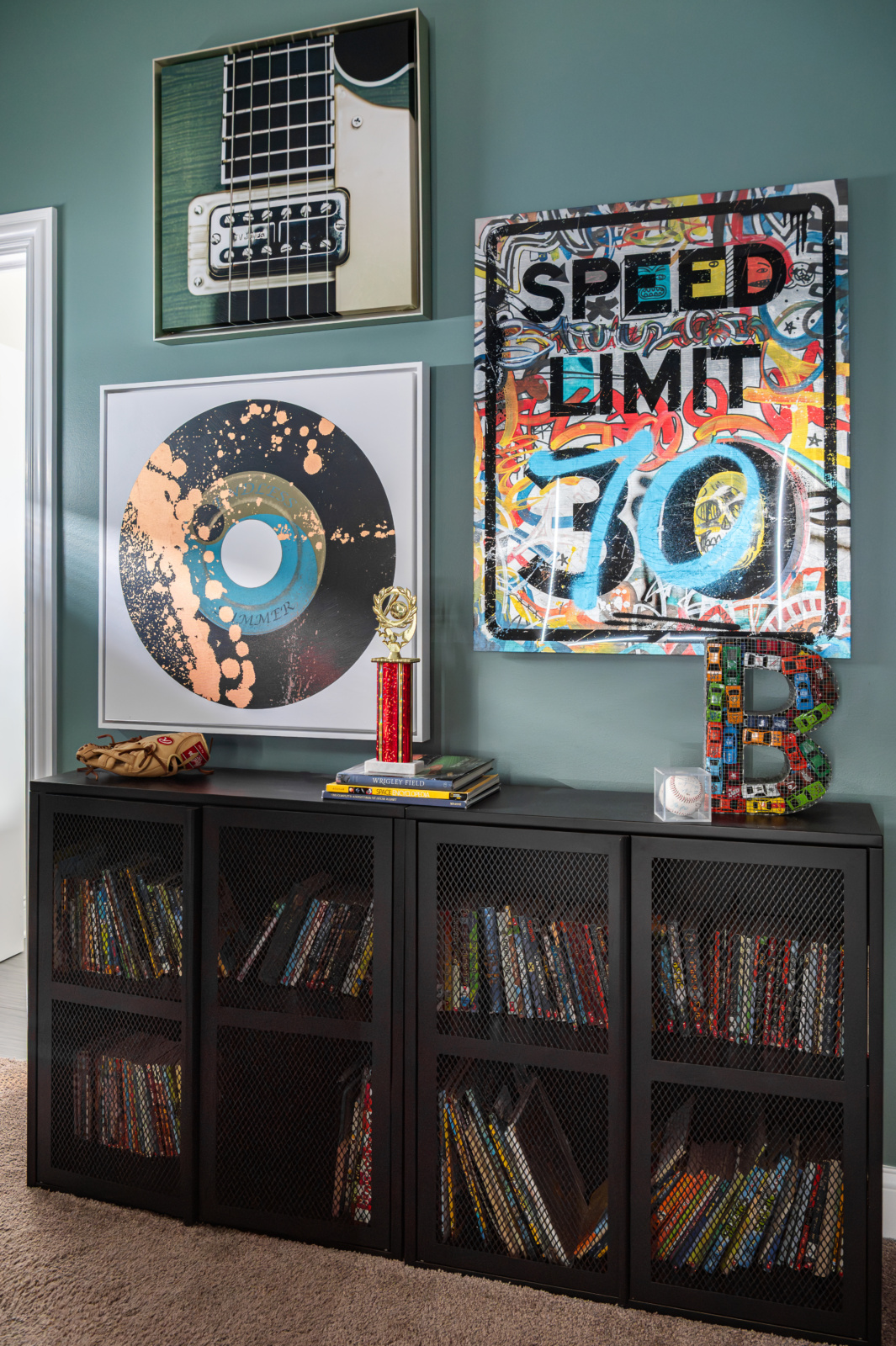
Chicago specifically
Two local factors give this particular shape here.
The housing stock is unusually characterful at one end. City greystones, two-flats and vintage walk-ups come with original millwork, real proportions and a hundred years of history, and the personalization conversation in those houses is often about what to keep rather than what to add. The building already has an identity, and the work is bringing the household’s identity into a productive relationship with it rather than erasing either.
The western suburbs pose the opposite question. Newer houses in Naperville, Oak Brook and Hinsdale offer space, light and almost no inherent character, which means everything expressing the people who live there has to be introduced. That is more freedom and considerably more work, and it is where the difference between a personalised home and a well-furnished one is starkest.
The other local factor is the winter. Long overcast months mean these rooms are lived in intensively for half the year, which tends to accelerate the realisation that a house arranged for appearances is not the same as one arranged for living.
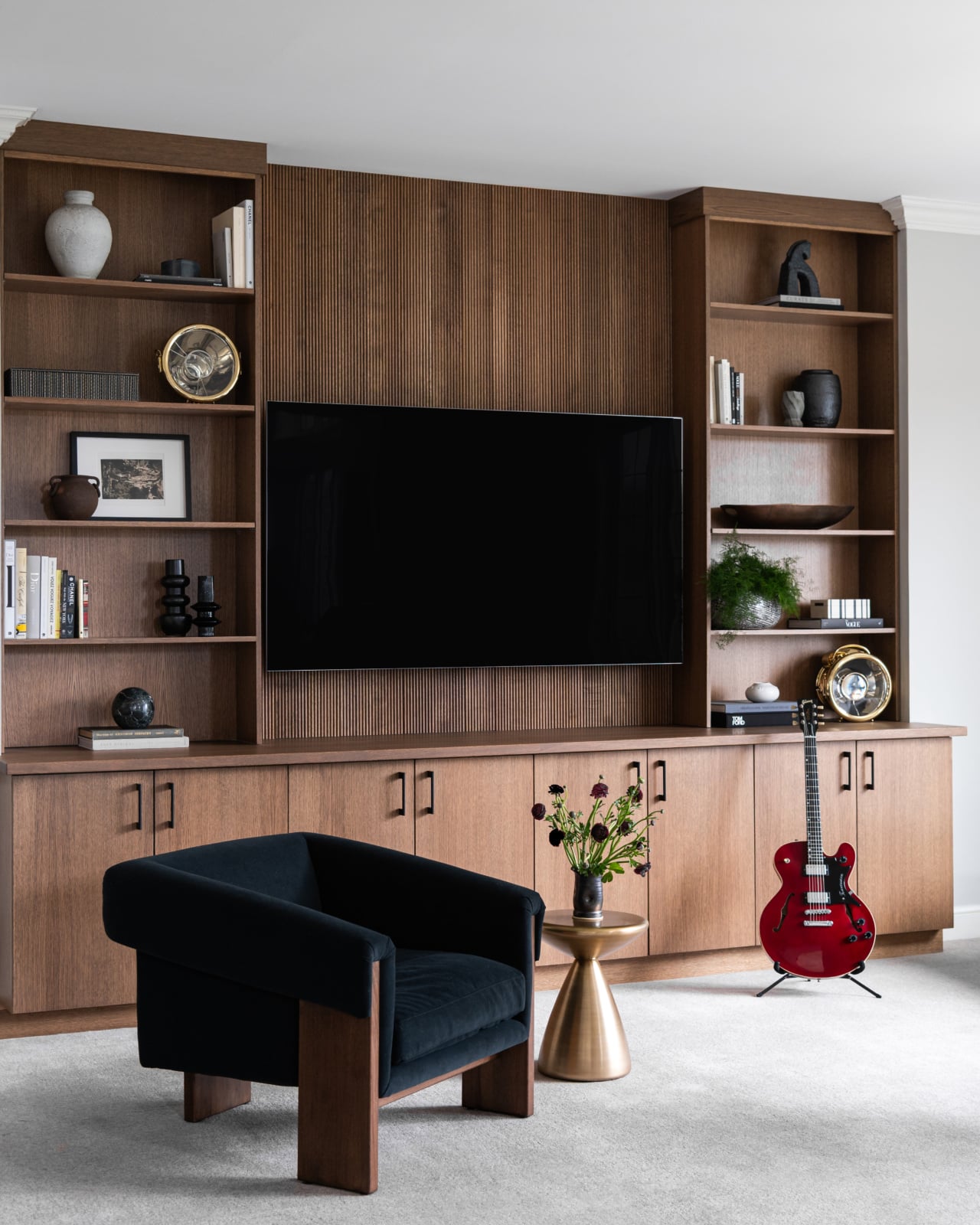
Working through it with us
The part of this that a designer can genuinely help with is the planning: understanding how a household actually lives, and building rooms that make what you already own look considered rather than incidental. The objects themselves have to be yours. You can see how we work on our design process page, look through recent projects, or get in touch.
Related reading: identifying your design style, how to read interior design trends, styling bookshelves, choosing a statement piece and why get custom furniture. We work across Chicago, Hinsdale, Naperville and Oak Brook.
Frequently asked questions
What does personalization mean in interior design?
Rooms that could only belong to the people living in them. In practice that means objects with real provenance rather than decorative filler, plans built around how a household actually lives, and choices committed enough that they could not have been reached by consensus.
Is personalization just a trend?
It is better understood as a correction. After roughly two decades of grey, white and open plan, a lot of homes became difficult to tell apart, and the shift is a reaction to that anonymity rather than a new style with its own look.
How do I make my home feel more personal?
Start with what you already own and value: art you chose, books, objects with a history, pieces inherited or collected. Those carry information a visitor picks up immediately. Decorative items bought in one afternoon to fill a shelf contain none.
Does personalization mean more clutter?
No. Restraint and personality are compatible, and a spare room containing three objects that matter is more personal than a full one containing thirty that do not. What matters is whether the things in the room mean something to the people in it.
What is the difference between personalization and customisation?
Customisation is choosing a finish from six and a fabric from twenty, which is configuring a product somebody else designed. Six people choosing from the same options produce six similar rooms. Personalization is furnishing around what you already own and value, which produces rooms nobody else would arrive at.
How does colour fit into this?
Choosing a deep green study or an oxblood dining room is a decision that cannot be hedged, which is why it reads as personal. A neutral scheme is frequently chosen because nobody objects to it, and rooms selected that way tend to look like it.
Does designing around my household really change anything?
It changes what gets specified. Children, pets and allergies affect upholstery, flooring and storage. Whether somebody works from home, where people actually sit, and whether meals happen at the table all change the plan. It is felt daily rather than seen.
Do older Chicago houses need less personalization?
They start with more character, so the conversation is usually about what to keep. Original millwork, proportion and a hundred years of history give the building its own identity. Newer suburban houses have almost none, so everything expressing the household has to be introduced.