
Last updated August 27, 2026
Key Takeaways
- Your own taste outranks every trend on this page. A room that follows all of them and reflects nobody is a failed room.
- Separate material trends from styling trends. Materials move over decades and are worth following. Styling moves in months and is not.
- Most published trend forecasting is retail planning, describing what will be manufactured rather than what is good.
- A trend worth acting on usually reflects a change in how people actually live, not a change in what looks new.
- The permanent elements of a house should follow slow trends. The changeable elements can follow fast ones, if you enjoy that.
- Chasing timelessness is the opposite error and produces neutral, forgettable rooms.
- The only reliable filter is whether you would still want it if nobody else had it.
- A home should tell your story. If it looks like it was ordered from a page in a catalogue, no trend is going to rescue it.
The useful way to read interior design trends is to sort them into two groups. Material and architectural trends move slowly, over ten or twenty years, and are worth paying attention to because they reflect genuine changes in how people live. Styling and colour trends move in months, are driven by what manufacturers have decided to produce, and are best treated as entertainment.
Apply the slow ones to the parts of a house you will not change again. Apply the fast ones, if you enjoy them, only to the parts you can change easily.
All of which is secondary to the thing that actually decides whether a house is any good, which is whether it reflects the people living in it. Trends are worth understanding so you can choose what to ignore.
Two speeds, and why the distinction matters
Almost every mistake people make with trends comes from applying one speed to the wrong part of a house.
Slow trends are things like open plan giving way to defined rooms again, kitchens becoming places to sit rather than only to cook, the return of colour after two decades of grey, or the shift back toward real materials. These take years to arrive and years to leave, and they usually reflect something real about how households have changed.
Fast trends are a particular colour, a particular shape of light fitting, a specific tile, a finish on hardware. These are cyclical and largely driven by production. They are perfectly enjoyable and they date quickly.
The rule follows naturally. Stone, cabinetry, flooring, joinery and layout should answer to the slow group, because you are not redoing them soon. Paint, textiles, lighting, accessories and art can answer to whichever you like, because changing them is straightforward.
What trend forecasting actually is
Worth being clear about, because it changes how much weight to give it.
Most published trend content is downstream of manufacturing. Mills, factories and paint companies decide what to make eighteen months to two years ahead. Colour of the year announcements, seasonal collections and the resulting magazine coverage describe those decisions. It is a forecast in the sense that a train timetable is a forecast.
That is not a criticism, it is just what it is. It tells you accurately what will be available and what will look current. It tells you very little about what will be good in your house.
Figures quoted about design trends should be read the same way. Most are drawn from retail sales or search interest, both of which measure what is being sold and looked at rather than what is working in real homes. Useful for understanding a market. Not a reason to specify anything.
Reading a trend properly
The questions that separate a shift worth following from noise.
| Question | Worth following | Probably noise | Why it matters |
|---|---|---|---|
| How long has it been arriving? Duration is the single best filter. |
Several years, building gradually | Appeared this season, everywhere at once | Slow arrival usually means a real change in how people live |
| Does it solve something? Whether there is a practical reason behind it. |
Answers a change in households, work or family life | Purely visual novelty | Trends with a reason behind them tend to persist |
| Where does it apply? Which layer of the house it touches. |
Layout, materials, architecture | A single colour or a specific object | Determines how expensive it is to be wrong |
| Who is promoting it? Follow the incentive. |
Observed across many real projects | Announced by a company that sells it | Colour of the year is a marketing exercise, not a finding |
| Would you want it anyway? The only genuinely reliable test. |
Yes, even if nobody else had it | Only because it looks current | This question alone prevents most regret |
A trend that passes the first four and fails the last is still the wrong choice for your house.
The slow shifts we are actually seeing
Observations from projects rather than from a forecast, and all of them have been arriving for years.
Rooms with doors are back. Fully open plan has been receding since households discovered that everybody working and studying at home at once requires walls. Broken plan, where spaces connect but can be closed, is now what most clients ask for.
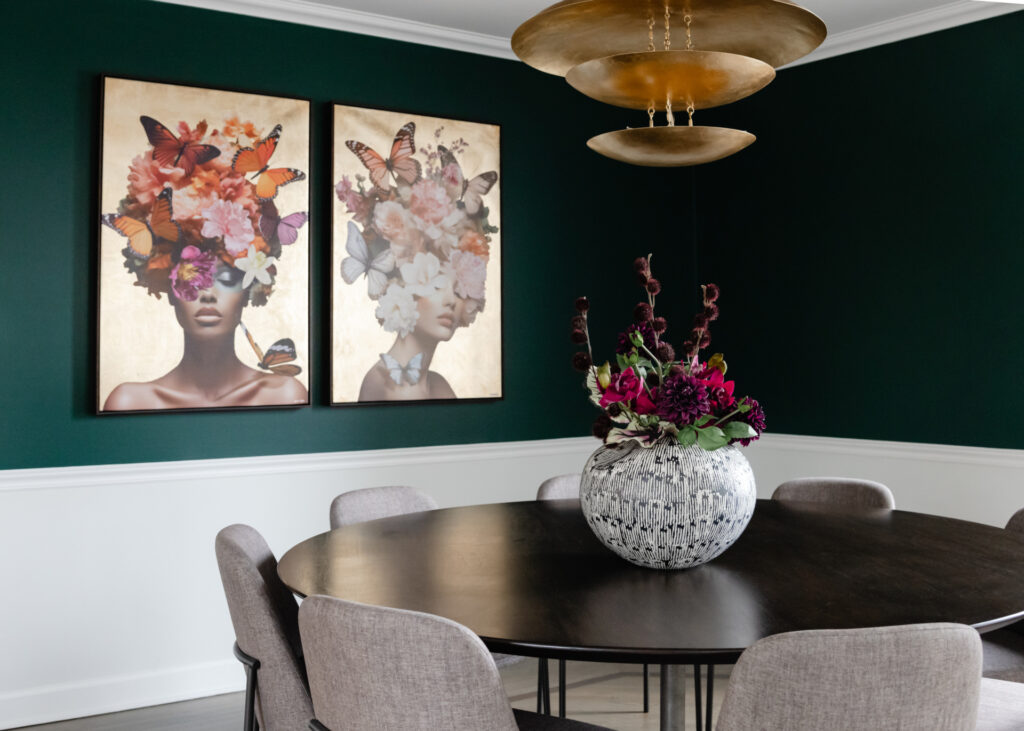
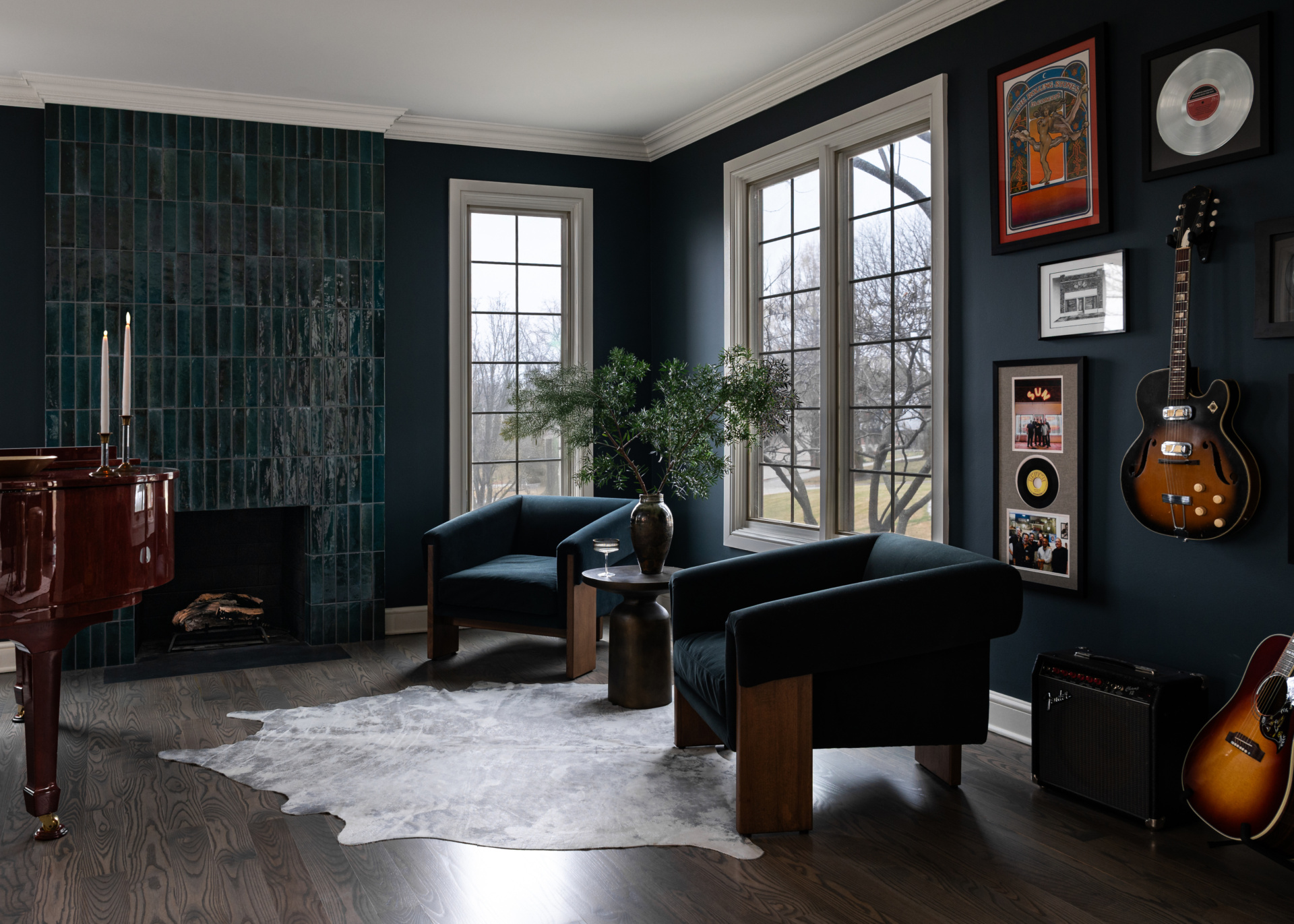
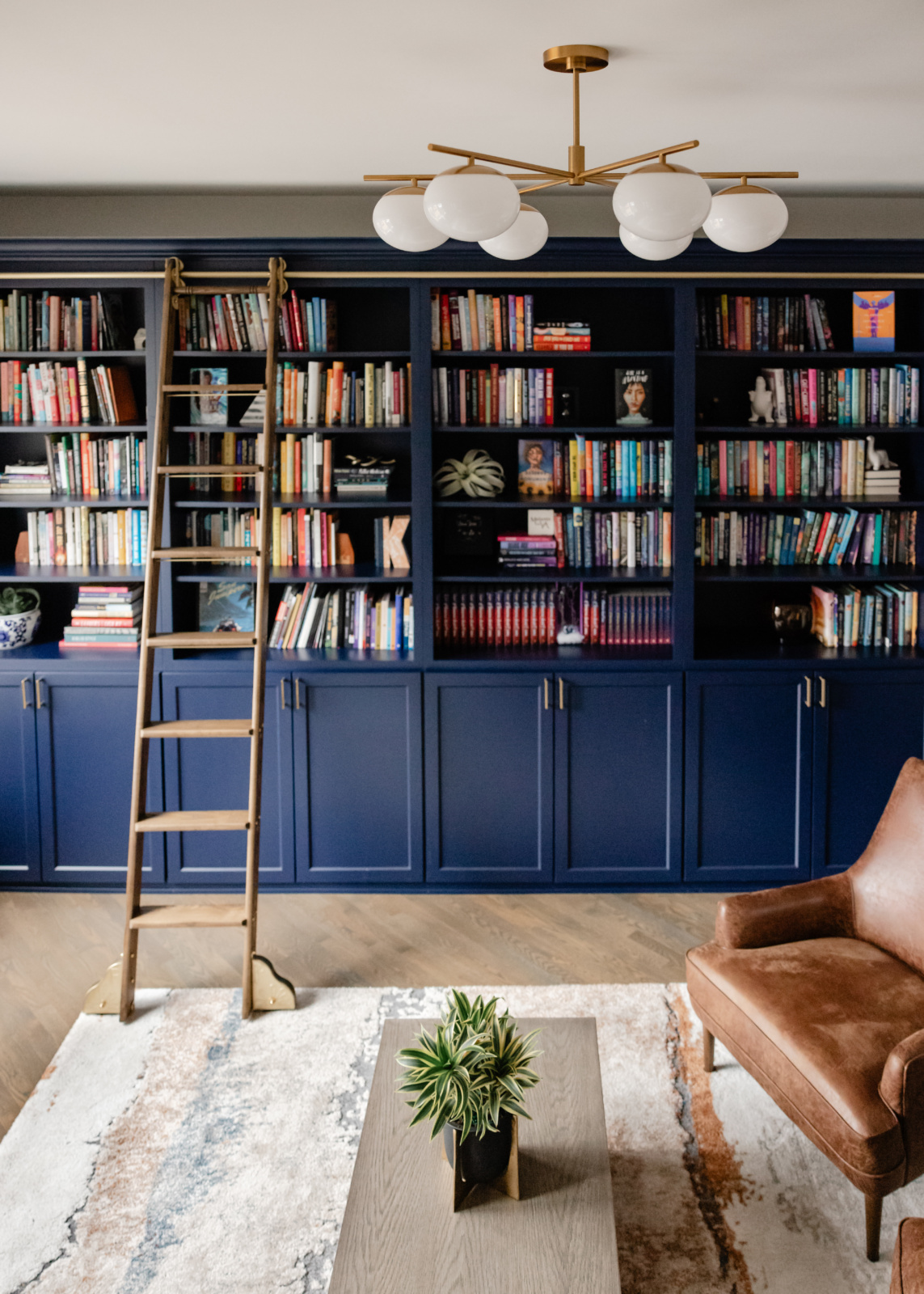
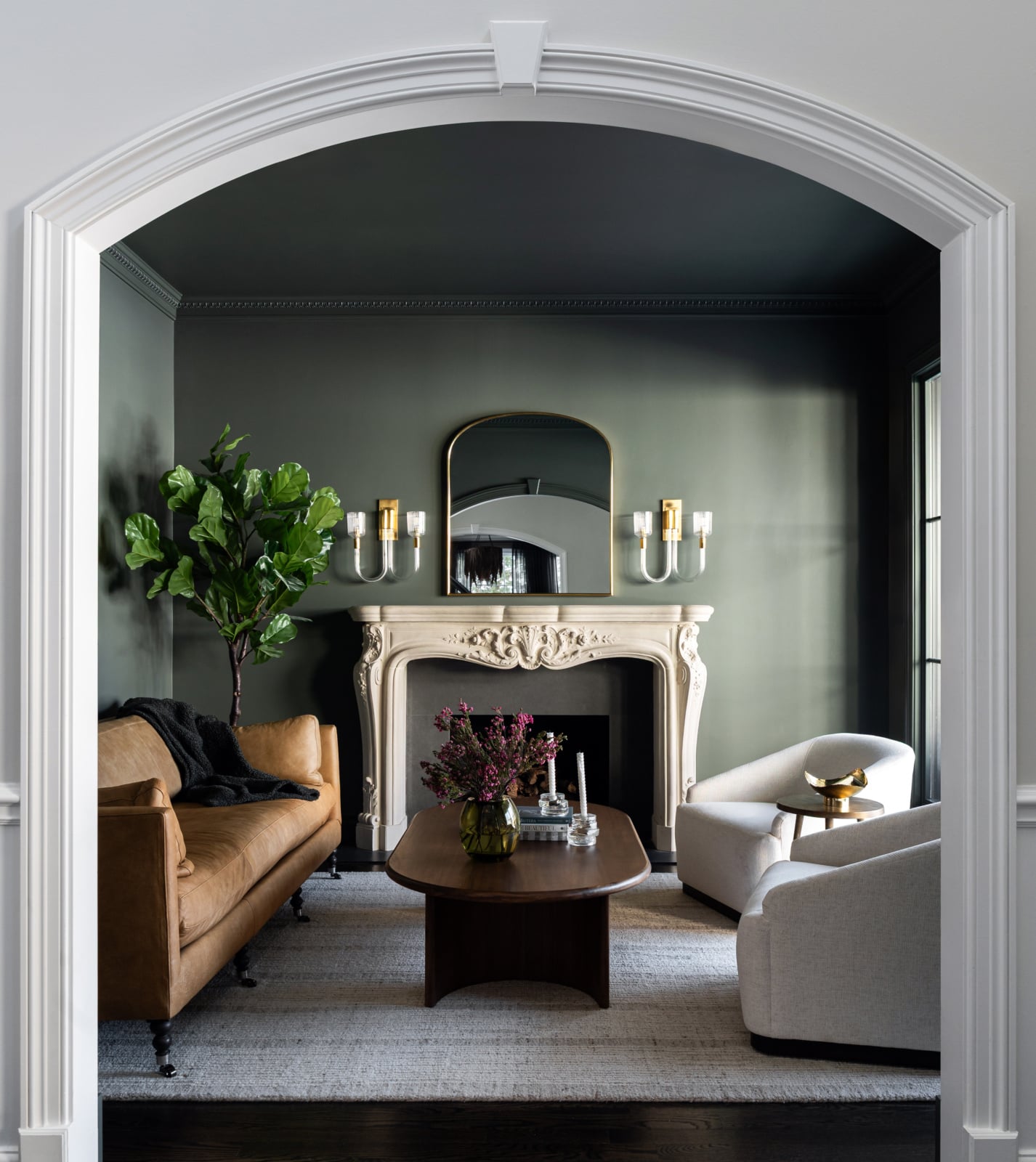
Colour has returned. After a long period of grey and white, people are choosing saturated colour again, particularly in rooms used in the evening. Deep greens, warm charcoals and oxblood have moved from adventurous to ordinary requests.
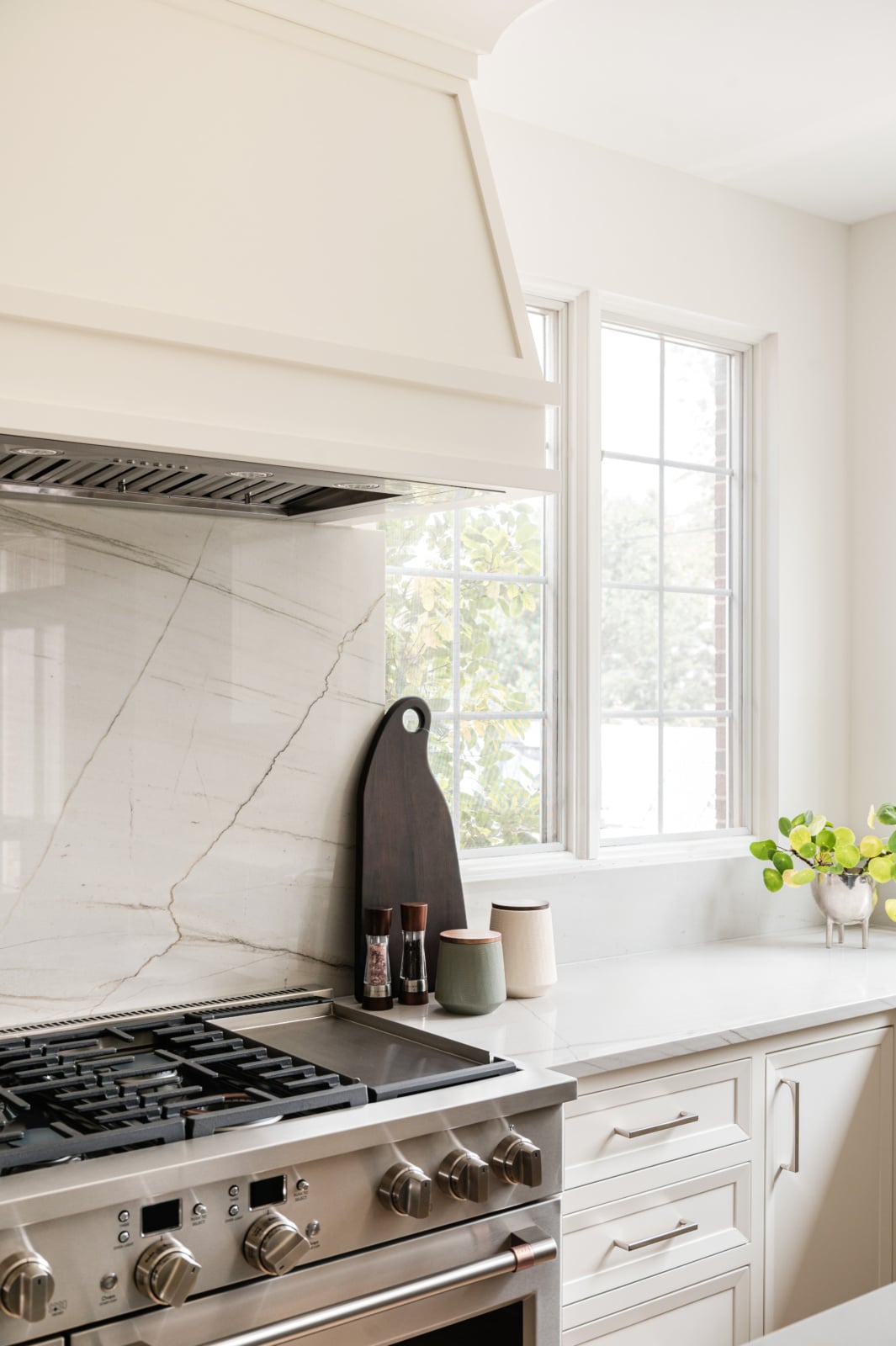
Real materials over convincing imitations. There is much less appetite for surfaces pretending to be something else, and more for stone, timber and plaster that behave like themselves, including ageing visibly.
Kitchens as rooms. Less laboratory, more furniture: seating that is genuinely comfortable, cabinetry that reads as joinery, and lighting that is not entirely functional.
Fewer, better things. A move away from furnishing a whole house at once toward acquiring pieces gradually, which we think is the healthiest of the lot.
On generational shifts
A frequent framing, and worth handling carefully because most of what is written about it is stereotype.
Younger clients are not, as a group, buying different styles. What differs is circumstance. People buying their first substantial home later tend to arrive with furniture accumulated over more years, more definite opinions and less appetite for a matched set. People who have moved more often are more interested in pieces that can move with them. People who work from home need a room that a previous generation did not.
Those are practical differences and they produce real design consequences. The idea that a generation has a house style is a marketing convenience.
What we do see consistently across ages is a preference for rooms that look like somebody in particular lives in them, which is not new so much as newly articulated.
The two opposite errors
People fail at trends in both directions, and the second is more common in expensive houses.
The first is chasing. Redoing permanent elements every few years to stay current, which is expensive in time and disruption and produces a house that always looks like the year it was last touched.
The second is trying to escape trends entirely by making everything neutral so it cannot date. This does not work. Nothing is ever completely timeless, and there is always some element of a choice that shows when it was made. It is similar to clothes: styles come and go, and every time they return something is different from the previous version. Stone might be called timeless, marble for instance, and the way it is used is what goes out of style rather than the material.
Try to design everything in a home to be timeless and everything will be neutral, and boring. The advice we give clients is to use what they love and worry less about whether it will date. Life is too short, and you should love your home.
Where to take a risk and where not to
The practical translation of everything above.
Take risks where reversal is easy: paint, textiles, art, accessories, lighting that is not recessed, anything freestanding. If a bold colour stops pleasing you in four years, repainting is a weekend rather than a project.
Be conservative where reversal is hard: layout, plumbing positions, stone, flooring, built-in joinery, tile. Not conservative in the sense of dull, but conservative in the sense of choosing something you have wanted for a long time rather than something you noticed recently.
The middle ground is upholstery, which lasts a long time when well made and can be recovered. A good frame in a shape you love, in a fabric you can change, is the most flexible substantial purchase in a house.
Your taste outranks all of it
Everything above is a way of thinking about information. None of it is a reason to put something in your house.
The most common mistake we see in homes that are beautiful and expensive is that they do not reflect the personality of the people who live there. A home should tell your story and say who you are. If it looks like someone ordered everything from a page in a catalogue, the design falls flat, and it falls flat regardless of how current every individual choice was.
Trend-led rooms are especially exposed to this, because following a trend correctly means arriving at the same answer as everybody else who followed it. That is fine for a hotel. It is a poor outcome for a house somebody lives in.
So the personal touches are not decoration on top of the scheme, they are the point of it. Accessories are what give a room the feeling of being complete, and they are usually what tells you about the person: a coffee table book says something about their interests, their art says what they find beautiful, the objects on a shelf say where they have travelled or where they came from. None of that is available from a trend report.
Our advice to clients is consistent and it is the only instruction on this page worth following without qualification. Use what you love and worry less about whether it will go out of style. Life is too short, and you should love your home.
How this connects to the rest of the blog
Trends are easier to think about alongside the specific decisions they touch.
On the return of colour, see choosing a white that works, paint colors for north facing rooms and warm neutrals in a living space, which cover the practical end of the same shift.
On styles and how to place yourself among them, see identifying your design style, the art of transitional design and mixing traditional and modern furniture.
On buying fewer and better, see how long a sofa should last and what is worth buying well.
And on real materials, see types of wood in interior design and choosing a kitchen floor material.
Chicago specifically
Trends arrive here differently depending on the housing stock, which is worth knowing before applying anything read elsewhere.
City greystones, two-flats and vintage walk-ups have strong existing architecture, and the trends that work in them are the ones that respect it. The return to defined rooms and to real materials suits these houses because that is close to how they were built. Open plan was always an awkward fit for a building with load-bearing masonry, and much of what is now being reversed was fighting the structure in the first place.
Newer suburban houses in Naperville, Oak Brook and Hinsdale have the space to adopt almost anything, which makes discipline more important rather than less. The failure we see most is scale: a detail that looked right in a magazine photograph of a small room, applied across a much larger one, where it reads as underscaled. Trends do not carry information about size, and size is usually the constraint that matters.
Working through it with us
Most of the value in a conversation about trends is working out which decisions are permanent and which are not, because that is what determines where it is sensible to be adventurous. You can see how we work on our design process page, look through recent projects, or get in touch about your own home. We work across Chicago, Hinsdale, Naperville and Elmhurst.
Frequently asked questions
How should I decide which interior design trends to follow?
Sort them by speed. Material and architectural trends move over a decade or more and usually reflect a real change in how people live, so they are worth following in permanent elements. Styling and colour trends move in months and are best applied only to things you can change easily.
Where does trend forecasting come from?
Mostly from manufacturing. Mills, factories and paint companies decide what to produce eighteen months to two years ahead, and colour of the year announcements and seasonal collections describe those decisions. It accurately tells you what will be available, and very little about what will suit your house.
Are interior design statistics useful?
Read them carefully. Most figures quoted about design trends come from retail sales or search interest, both of which measure what is being sold and looked at rather than what works in real homes. Useful for understanding a market, not a reason to specify anything.
What trends are actually lasting?
The slow ones we see across projects: a return to rooms with doors after two decades of open plan, saturated colour replacing grey and white, real materials rather than convincing imitations, kitchens treated as rooms rather than laboratories, and buying fewer better pieces over time.
Is there such a thing as a generational design style?
Not really. What differs between age groups is circumstance rather than taste: how often people have moved, how much furniture they have accumulated, whether they work from home. Those produce genuine design consequences, but the idea that a generation shares a house style is a marketing convenience.
Should I just choose timeless things so nothing dates?
No, and it does not work. Nothing is completely timeless, and there is always some element of a choice that shows when it was made. Even marble goes out of style in how it is used rather than in itself. Designing everything to be safe produces neutral, forgettable rooms.
Where is it safe to follow a trend?
Anywhere reversal is easy: paint, textiles, art, accessories and freestanding pieces. Be much more careful with layout, plumbing, stone, flooring, tile and built-in joinery, where the right approach is choosing something you have wanted for a long time rather than something you noticed recently.
How much should personal taste matter compared with trends?
More than everything else combined. Following a trend correctly means arriving at the same answer as everyone else who followed it, which is fine for a hotel and poor for a house. The most reliable test of any trend is whether you would still want it if nobody else had it. The most common failure in beautiful expensive homes is that they do not reflect the people living in them. Use what you love.