
Why Furniture Scale Matters in Chicago Homes with Classic Architecture
Chicago homes with classic architecture have a presence newer spaces often cannot replicate: taller ceilings, gracious windows, detailed millwork, fireplace-centered rooms, and elevated proportions. In these homes, furniture scale is not a small detail, it’s one of the biggest factors in whether a room feels balanced or off. When pieces are too small, architecture overpowers them. When too large, rooms lose elegance and flow. For homeowners investing in furnishing and styling in Chicago, understanding scale helps historic homes feel both polished and livable.
Contact us today to get started!
Why classic Chicago rooms demand a different design eye
Many classic Chicago homes were built with proportions that naturally call for thoughtful furniture choices. Landmark properties and historically significant homes throughout the city often retain original room shapes and visual rhythm instead of being reworked to fit modern layouts. Chicago’s preservation framework protects historic character, and the city has a deep inventory of architecturally important properties, from designated landmarks to historic districts. Many homeowners are furnishing rooms that still reflect older, formal architectural proportions rather than contemporary open-plan assumptions.
This matters because room scale and proportion guide every furnishing decision. A sofa that looks generous in a showroom may seem undersized beneath tall ceilings with oversized windows and a substantial mantel. A delicate coffee table can disappear in a living room with deep moldings and a broad fireplace wall. In classic architecture interiors, the goal is creating visual harmony between architecture and furnishings.
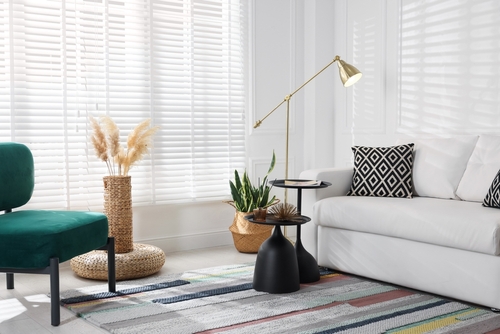
Furnishing and styling in Chicago starts with the architecture, not the shopping list
The best furnishing and styling in Chicago begins by reading the room before selecting pieces. In a classic home, architecture gives you the design roadmap. Ceiling height, mantel width, doorway scale, wall length, and window placement reveal what furniture size will feel appropriate. Traditional interiors emphasize symmetry, proportion, and scale, which is why they feel timeless instead of trend-driven.
When homeowners skip that architectural read, rooms feel disconnected. Petite accent chairs may look stylish online but appear lost in a formal living room with a wide fireplace surround. A low-profile sectional may work in a loft yet feel too casual in a home with historic trim. That’s where thoughtful designer furniture planning becomes valuable: every decision is grounded in the home itself.
💡 Pro Tip: Before ordering furniture, measure not just the room, but ceiling height, fireplace width, window sill height, and key walking paths. Those details shape scale more than square footage alone.
Why smaller is not always better in traditional home interiors
One common mistake in traditional home interiors is assuming that open floor space automatically makes a room feel better. In classic homes, underscaled furniture can actually make a room feel emptier and less intentional. Architecture with strong bones needs furnishings that can visually "stand up" to it.
That doesn’t mean every piece should be oversized. Pieces should have enough visual weight to hold their own. A properly scaled sofa, substantial side chairs, a meaningful rug, and layered lighting make a room feel grounded. Too many small items create a scattered feeling, especially in homes with fireplace focal points or formal room symmetry.
What visual weight really means
Visual weight is how substantial a piece feels in a room. A chair with a low back and thin legs may physically fit but look too light for a room with tall windows and heavy detailing. A more tailored chair with a taller back, shaped arms, or richer upholstery may feel more at home, even if the footprint is similar.
How focal points change the scale conversation
Classic Chicago living rooms often organize around a central feature, especially the fireplace. Traditional design highlights the mantel as a focal point, and in older homes that focal point can be commanding. Furniture should support that moment, not compete with or shrink beside it. A room anchored by a marble-topped mantel often benefits from fuller seating arrangements and art scaled to wall height.
For adjacent layout concerns, this guide on making a small room look bigger offers helpful perspective on proportion and visual balance.
Furniture scale Chicago homes often need is more nuanced than expected
Furniture scale Chicago homes require is rarely about buying the biggest pieces available. It’s about matching the home’s proportions with a tailored mix of heights, widths, and silhouettes. In a vintage Tudor, that might mean deeper seating with structured lines. In a classic Georgian home, it may mean balanced pairs, taller case goods, and symmetrical layouts. In a vintage prewar condo, it could mean fewer but more substantial statement pieces.
This is why experienced Chicago interior design professionals start with a furniture plan before sourcing. A room may need one larger rug to unify the architecture, a longer sofa to relate to window span, or a taller chest to bridge floor and ceiling distance.
Signs your furniture may be out of scale
A room tells you when scale is off. Watch for these clues:
- Sofa looks low or short compared to windows
- Artwork feels tiny on expansive walls
- Rug doesn’t anchor front legs of major furniture
- End tables seem dwarfed by seating
- Too much empty space between grouped furnishings
- Lighting feels lost instead of layered
💡 Pro Tip: If your room feels unfinished even after furnishing, the issue is often scale rather than style.
How timeless home styling supports comfort as much as beauty
The strongest rooms in classic homes are elegant and comfortable enough to live in. Traditional style has endured because it prioritizes comfort and function alongside beauty, essential for homeowners who want livable luxury spaces.
Proper scale improves comfort in practical ways. A rug large enough for seating makes the room feel cohesive. A coffee table with the right length improves reach and usability. Chairs with enough depth and height feel inviting. When scale is right, the room works better for daily life and entertaining.
Livable luxury comes from proportion
Luxury often feels more convincing when rooted in proportion. Instead of relying on excess, high-end design comes down to restraint and fit. The architecture leads. The furnishings respond. The styling adds personality. That layered approach makes timeless home styling feel effortless.
💡 Pro Tip: In rooms with high ceilings, use vertical layering, drapery, taller lamps, larger art, and substantial case pieces, to keep the eye moving upward naturally.
Preserving character can also protect value
There’s also a long-view reason to furnish thoughtfully in historic homes: preserving character tends to support value. Historic designation and neighborhood character contribute to desirability, and preservation studies have shown that landmark or district designation may help stabilize or increase property values. Interiors that respect architectural scale often feel more aligned with what buyers love about these homes.
Luxury home furnishing tips for rooms with tall ceilings and original details
If you’re furnishing a classic Chicago home, a few design principles can immediately improve the result. These luxury home furnishing tips are especially useful when working with original trim, generous proportions, and strong architectural focal points.
Start with the anchor pieces
Choose the largest foundational pieces first. That usually means the rug, sofa, primary chairs, and major lighting. Once those are scaled correctly, smaller tables, accessories, and art become easier to layer in.
Think in relationships, not isolated items
A beautiful piece can still be wrong if it doesn’t relate to the room around it. Always compare furniture dimensions to the mantel, windows, wall spans, and adjacent pieces, not just to an empty floor plan.
Use symmetry where the architecture suggests it
Many traditional homes naturally lend themselves to balanced arrangements. If the room has centered windows, a prominent fireplace, or formal entry sightlines, symmetry can reinforce the architecture and make the room feel calmer and more intentional.
Don’t forget the finishing layers
Scale applies to styling too. Oversized lamps, meaningful art, fuller drapery panels, and properly sized accessories help bridge the gap between furniture and architecture. This is often where a room shifts from furnished to fully resolved.
Why working with a designer simplifies the process
For busy homeowners, one of the hardest parts of furnishing a classic home is not taste, it’s translation. It can be difficult to tell whether a piece will feel right beneath 10-foot ceilings, beside original millwork, or across from a dramatic fireplace wall.
That’s where furnishing and styling in Chicago becomes easier with a professional eye. A designer can assess room scale, create a furniture plan, refine traffic flow, and curate pieces that support the architecture while reflecting how you want to live. The result feels personal, polished, and cohesive.
Frequently Asked Questions
Common questions about furnishing classic Chicago homes
1. How do I know if my furniture is too small for my room?
If your furniture seems to "float" or looks visually weak next to windows, mantels, or tall walls, it may be underscaled. Other signs include a rug that feels too small, art that disappears on large walls, and seating that leaves too much empty space.
2. Can traditional homes still feel current?
Absolutely. Traditional doesn’t mean dated. The key is pairing classic architecture interiors with refined, edited furnishings, fresh textiles, layered lighting, and timeless home styling that feels comfortable rather than overly formal.
3. What is the biggest mistake people make with furniture scale?
The most common mistake is choosing pieces based only on showroom appeal or online dimensions without considering the architecture. In furniture scale Chicago homes, the room itself should guide choices.
4. Should every room in a classic home be symmetrical?
No, but many classic rooms benefit from some balance. Symmetry works beautifully in formal living rooms and entry spaces, while family rooms and bedrooms can feel more relaxed without losing proportion.
5. Is professional designer furniture planning worth it for one room?
Yes, especially if the room has strong architectural details or challenging proportions. Even one well-planned room can improve daily comfort and create a more cohesive look throughout the home.
A beautifully scaled room always feels more natural
When furniture scale is right, a classic Chicago home feels more graceful, comfortable, and complete. The architecture shines, the furnishings feel intentional, and the space supports everyday life in a way that feels elevated but never overdone. That’s the real power of thoughtful furnishing and styling in Chicago: it helps your home honor its character while feeling beautifully tailored to you.
Contact us today to get started! Call 847-750-5354 or reach out here to begin your next design project.