
Last updated August 27, 2026
Key Takeaways
- Separate the two problems. Too little light is a quantity problem. A room that reads dull is a contrast problem, and they have opposite solutions.
- Adding something genuinely dark makes a room look brighter, because brightness is relative and the eye needs a reference.
- Start outside. Clean glass and cut back planting in front of the window before changing anything indoors.
- Painting a dark room white does not brighten it. With little light to reflect, white reads as flat grey.
- A mirror only helps if it reflects a window, a light source or something worth seeing. Facing a blank wall it does nothing.
- Sheen matters. A flat wall absorbs light and a slight sheen returns it, which is a real difference in a dim room.
To brighten a living room, first work out which problem you have. If there genuinely is not enough light, add more sources at more heights and improve what reaches the window from outside. If the room has reasonable light but still reads dull, the issue is contrast, and the answer is to add something dark rather than something pale.
Those two diagnoses lead in opposite directions, which is why so much advice on this subject contradicts itself.
Start outside the window
The first thing to check is free, takes an afternoon, and is almost never anybody’s first move.
Glass loses a meaningful amount of light when it is dirty, and both sides matter. A shrub or tree branch a few feet from the window can remove a great deal more, particularly in summer when it is in leaf. A pale fence or wall opposite bounces light in; a dark one absorbs it.
Clean the glass, cut back whatever is growing in front of it, and look again before spending anything. In city rooms facing a lightwell or a neighbouring wall this is often the single largest available improvement, and people skip it because it does not feel like design.
Inside the window, check what the treatment is doing. Curtains that stack across the glass when open can cover a third of the opening, which is a straightforward loss of daylight for no benefit.
Why white paint does not brighten a dark room
The standard advice, and it is wrong often enough to be worth explaining.
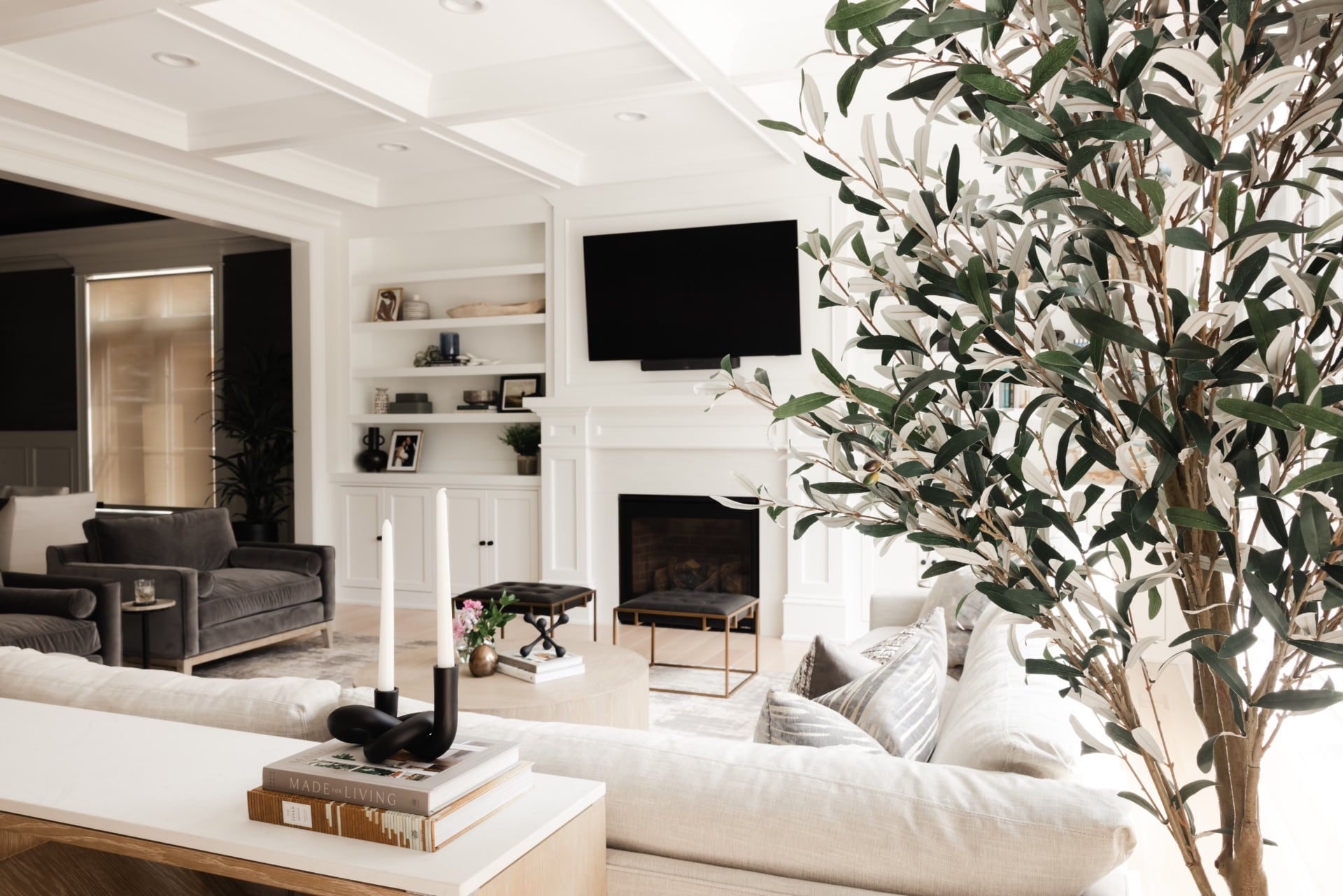
White appears bright because it reflects a high proportion of the light falling on it. In a room with plenty of daylight there is a great deal to reflect and white performs well. In a genuinely dark room there is very little, so the white returns a dull, even, shadowless grey. The room does not read as bright, it reads as drained.
What makes a dim room feel better is not more pale surface, it is more variation. Which brings us to the counter-intuitive part.
Add something dark
This is the piece of advice people resist most and which works most reliably.
Brightness is relative. Your eye judges how light something is by comparing it with what is next to it, not on an absolute scale. A room where everything sits in a narrow mid-range gives it nothing to compare, so every surface reads as the same middling tone and the whole room looks flat.
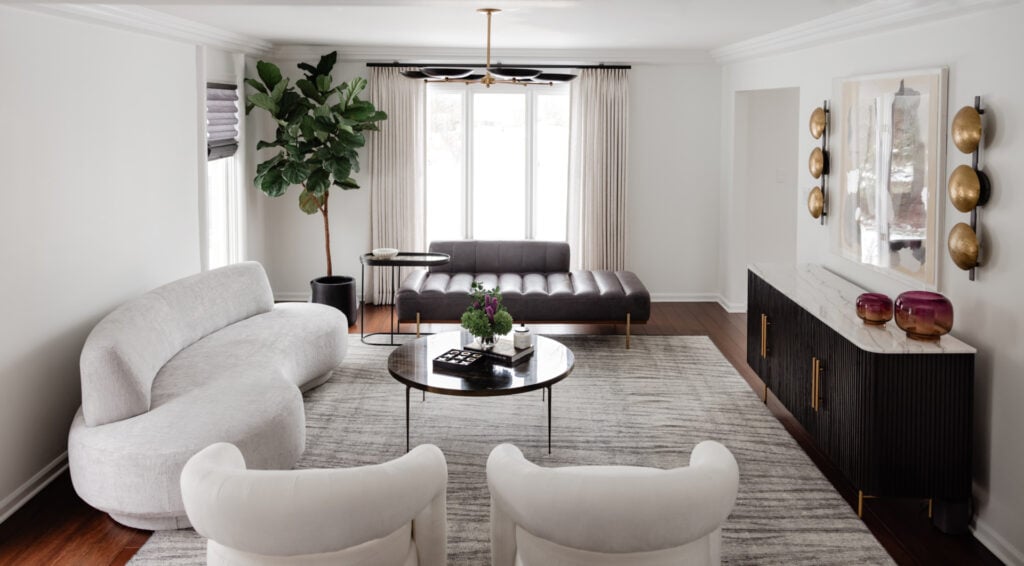
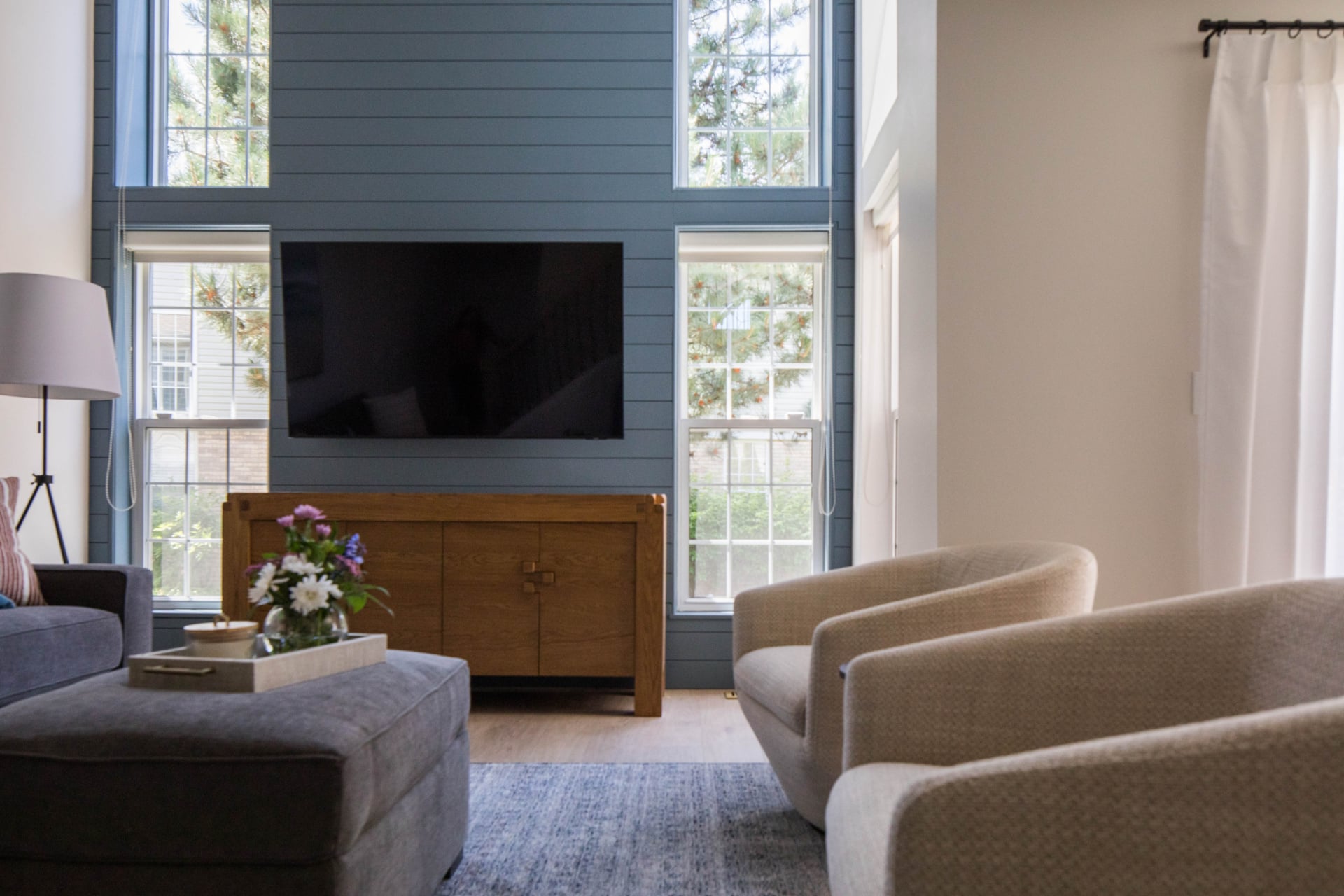
Introduce something genuinely dark, a near-black fireplace surround, an ebonised table, dark window frames, a deep timber console, and the pale surfaces immediately read as lighter than they did before. Nothing about the light level changed. The reference point did.
The same logic applies to art: a dark-framed picture on a pale wall makes the wall look brighter. It is the simplest available correction and the one people are most reluctant to try, because it feels like the opposite of what a dark room needs.
Two problems, two sets of answers
Applying the wrong set is how people end up repainting twice.
| Symptom | Which problem | What works | What does not |
|---|---|---|---|
| Dark at midday even with curtains open Genuinely insufficient daylight. |
Quantity | Clear the window outside, remove stack-back, add lamps at three heights | White paint. There is nothing for it to reflect |
| Fine in daylight, gloomy after dark Artificial light is the gap. |
Quantity | Three sources at three heights, dimmable, warm temperature | A brighter bulb in the same single fixture |
| Well lit but somehow flat No range from light to dark. |
Contrast | Add a genuinely dark element and some real texture | More white, more pale furniture, more lamps |
| Colours look drained Poor colour rendering from the lamps. |
Quality of light | Lamps with a high colour rendering index, 90 or above | Adding more of the same poor lamps |
| Bright but harsh One strong overhead source. |
Distribution | Spread the same light across several lower sources | Dimming the single fixture, which just makes it dim and harsh |
The most common error is treating a contrast problem as a light problem, which leads to painting everything pale and making it worse.
Mirrors, used properly
Mirrors are the standard recommendation and they are usually hung in the wrong place.
A mirror does not generate light. It reflects whatever is opposite it. Placed facing a window it returns daylight into the room and effectively gives you a second, softer opening. Placed where it catches a lamp in the evening it doubles that pool of light. Placed on the wall facing another blank wall, it reflects a blank wall.
Scale matters as much as position. A small mirror does very little; a large one placed to catch the window does a great deal. And in a living room a mirror that reflects something worth looking at, a view, a fireplace, a piece of art, earns its place twice over.
Other reflective surfaces do quieter versions of the same job: a glass table top, polished stone, unlacquered brass, a lacquered finish on joinery.
Sheen, and what your walls are doing
An overlooked variable that makes a genuine difference in a room short of light.
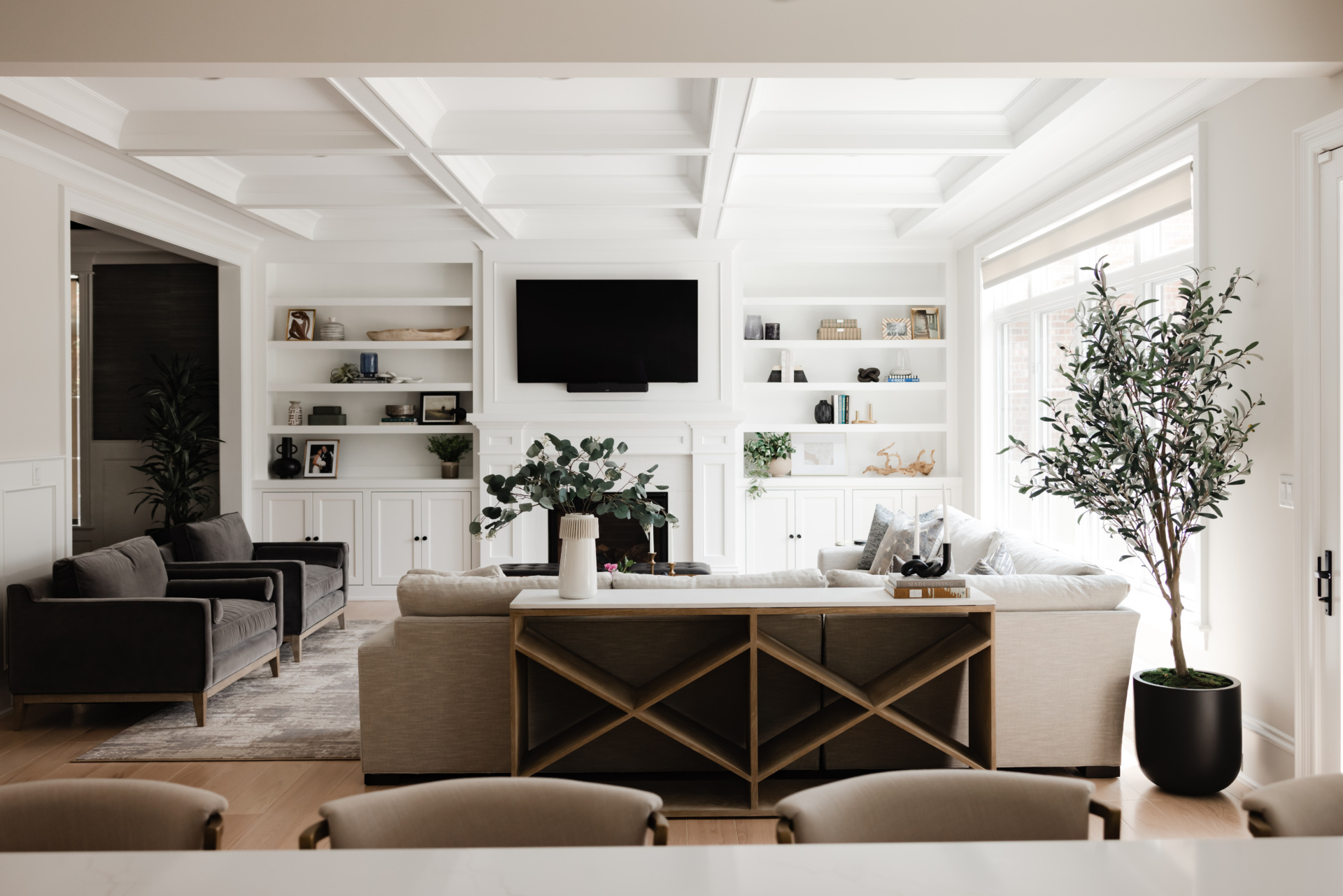
Flat and matte paints absorb light. They look wonderful, they hide imperfections, and in a bright room they are usually the right choice. In a dim room they are working against you, because every wall is quietly swallowing what little light there is.
A step up in sheen, an eggshell rather than a flat, returns noticeably more. The tradeoff is that sheen reveals every flaw in the wall surface, so it only works where the plaster is sound. In an older house with uneven walls that may rule it out, which is worth knowing before committing.
The same applies to floors. A satin finish on timber bounces light back up into the room; a very matte one absorbs it.
Light at three heights
Covered at greater length elsewhere, and it belongs here because it is the fix for the most common version of this complaint.
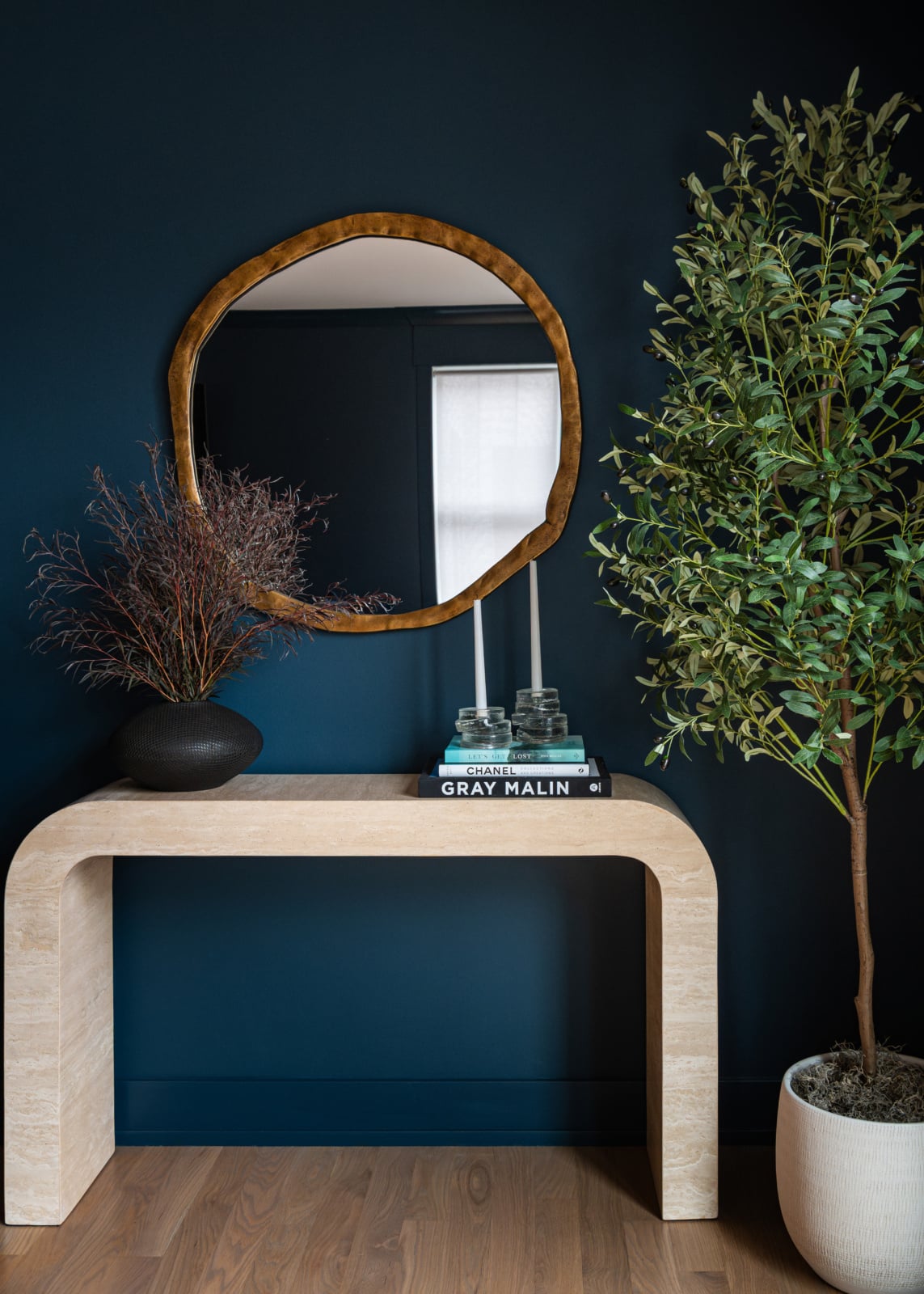
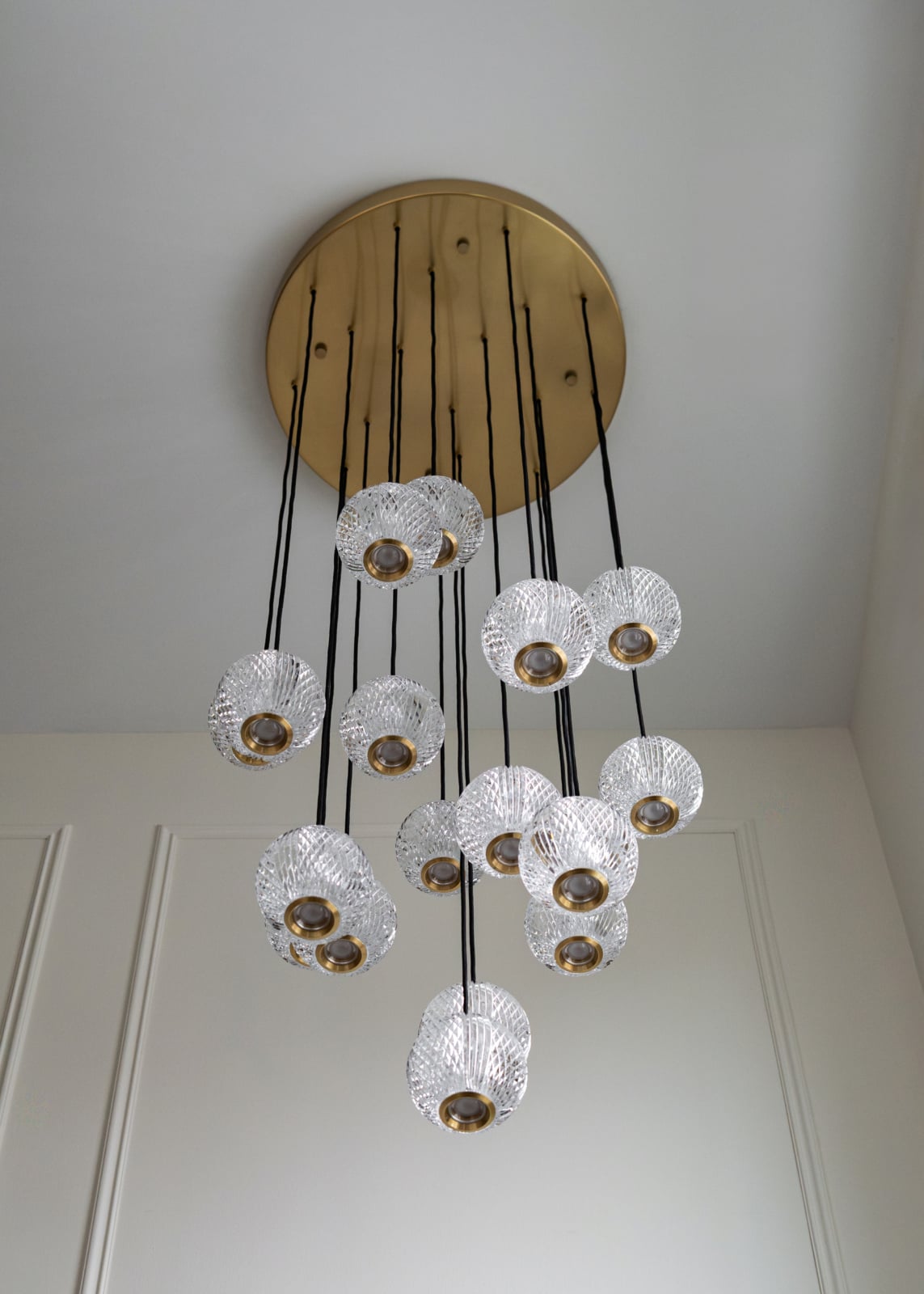
A room lit by a single ceiling fixture is flat at every hour and gloomy after dark, regardless of how bright the bulb is. Adding brightness to one point does not help; adding points does. Something overhead, something at eye level such as sconces or a tall lamp, something low on a table or shelf.
Dimmable, on more than one circuit, and warm rather than cool in temperature. And ask for the colour rendering index when specifying, because a lamp that renders colour poorly makes an otherwise well-lit room look drained.
See planning a lighting layout for how this is set out properly, and decorating a room without windows for rooms with no daylight at all, which is a different problem.
What furniture is doing to the light
Three arrangements that quietly darken a room.
A tall piece beside the window, a bookcase or a wardrobe, casts a shadow across the wall next to the only light source in the room. Moving it to the opposite wall changes the room noticeably.
Heavy dark upholstery in a room already short of light absorbs a great deal. This is not an argument for pale furniture everywhere, which brings back the flatness problem, but it is worth being deliberate about where the dark mass sits and making sure it is not the largest object in the darkest corner.
And low, heavy pieces with skirts to the floor read as solid blocks. Furniture raised on legs lets the eye see floor underneath, which reads as more space and more light.
Chicago living rooms specifically
Two local conditions that make this a seasonal problem rather than a permanent one.
Winters here are long and heavily overcast, so a room that is perfectly pleasant in July can feel bleak from November to March. That argues for judging a room in the worst light you get rather than the best, and for making sure the artificial lighting is genuinely good, because for months it is doing most of the work.
City rooms in greystones and vintage walk-ups often face a neighbouring building a few feet away, sometimes across a lightwell. These rooms will never be bright and trying to make them so produces a pale, drained interior. They do far better treated as rooms with atmosphere: deeper colour, good lamps, plenty of texture. The window-cleaning point matters most here, because when the source is that limited, every loss counts.
Working through it with us
Rooms that feel dark are usually suffering from two or three separate things at once, which is why single fixes disappoint. Diagnosing which of them is actually the problem is most of the work. You can see how we work on our design process page, look through recent projects, or get in touch about your own home.
Related reading: paint colors for north facing rooms, choosing a white that works, high contrast rooms, types of pleats for curtains and seating for a small living room. We work across Chicago, Hinsdale and Elmhurst.
Frequently asked questions
How do I brighten up a dark living room?
Work out which problem you have first. If there is genuinely too little light, clear whatever is blocking the window outside, remove curtain stack-back from the glass, and add sources at three heights. If the room has reasonable light but reads dull, the problem is contrast and you should add something dark.
Does painting a room white make it brighter?
Only if there is light for it to reflect. White appears bright because it returns a high proportion of the light falling on it, so in a genuinely dark room it returns a dull, shadowless grey. The room reads as drained rather than bright.
Why would adding something dark make a room look brighter?
Because brightness is relative. Your eye judges how light a surface is by comparing it with what is beside it, so a room where everything sits in a narrow mid-range gives it no reference. Introduce a genuinely dark element and the pale surfaces immediately read as lighter.
Where should I hang a mirror to brighten a room?
Facing the window, where it returns daylight and effectively acts as a second soft opening, or where it catches a lamp in the evening. A mirror facing a blank wall reflects a blank wall. Scale matters too, since a small mirror does very little.
What paint sheen is best in a dark room?
A step up from flat. Matte paints absorb light, which is fine in a bright room and works against you in a dim one, while an eggshell returns noticeably more. The tradeoff is that sheen reveals flaws in the wall surface, so it needs sound plaster.
Why does my living room feel gloomy at night even though it is fine in the day?
Because the artificial lighting is doing all the work and there is probably only one source. A brighter bulb in the same ceiling fixture does not fix it. Three sources at three different heights, dimmable and warm in temperature, changes the room completely.
Can furniture make a room darker?
Yes, in three ways. A tall piece beside the window shadows the wall next to your only light source. A large dark upholstered piece in an already dim room absorbs a lot. And heavy furniture with skirts to the floor reads as a solid block, where pieces on legs let you see floor underneath.
What should I do first, before spending anything?
Clean the glass on both sides and cut back any planting in front of the window. In city rooms facing a lightwell or a neighbouring wall this is often the single largest improvement available, and it gets skipped because it does not feel like design.